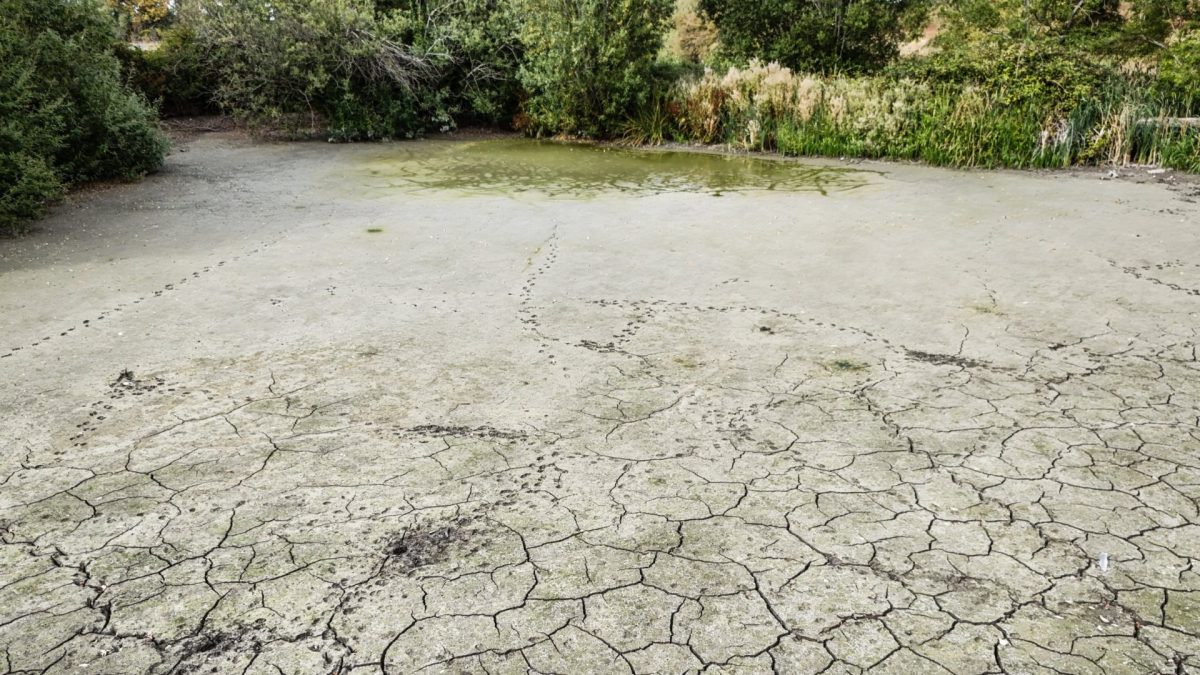
It’s finally raining in the south of the UK, bringing to an end the over 60 day dry spell in some parts of the country. The changing weather pattern will be welcomed by many, including farmers whose crops are dying and gardeners who have been restricted by hosepipe bans. But the wet weather is nowhere near enough to end the drought that is gripping large swathes of the country and more restrictions could even be possible due to the prolonged period of dry weather. Shorts When will the drought come to an end? Over 70 per cent of England and all of Wales are currently in drought. Nine water companies have introduced hosepipe bans, affecting more than 27 million people across England and Wales – Severn Trent Water and South Staffordshire Water have both asked for customers to cut back on usage. Most of the UK will see some form of rain this week, however, the areas that need it the most will not see enough. On Friday the Environment Agency said reservoir storage in England had fallen to 65.9 per cent, which is 13.8 per cent below the average for this time of year. Most river levels are below normal, with almost a third of sites now considered exceptionally low, the regulator said. A drought is considered over when water resources, including reservoirs, rivers and groundwater, return to normal levels, which usually takes several months of above average rainfall. Almost three quarters of England is currently in drought, while water bills have risen by an average of £156 in the past two years (Photo: Jon Super/AP) Following last summer’s dry weather, some parts of the UK remained in drought until January this year and some hosepipe bans remained in place until February. “Rivers, reservoirs and groundwater stores tend to respond much more slowly than the weather itself,” said Dr Jonathan Eden, Associate Professor in Climate and Environmental Change at Coventry University. “In many areas, we would need several weeks of sustained rainfall, and in some cases months, before water resources recover to more normal levels.” Could more water companies introduce hosepipe bans? Despite the rain, it’s possible that more water companies could be compelled to introduce hosepipe bans before the winter. It is up to water companies to introduce hosepipe bans, while the EA – or equivalent regulator in the devolved nations – is responsible for declaring a drought. There has been some tension between the regulators and water companies on this, and the EA has been critical of some water companies for not introducing hosepipe bans sooner. For example, the EA is warning that Britain’s longest river, the River Severn, is at risk of drying out, which would be catastrophic for the environment. However, the main water company in the region, Severn Trent, is yet to introduce a hosepipe ban. A spokesperson for the EA told The i Paper it “encourages an earlier use of Temporary Use Bans to protect public water supplies and preserve the environment.”. Plan under consideration by Ofwat may also allow water companies to use dynamic pricing at times of drought. How much rain do we need for restrictions to end? After two months of virtually no rain, parts of the UK will need months of above-average rainfall for restrictions to be lifted. In a briefing on Tuesday, Met Office meteorologist Aidan McGivern explained England and Wales has received 150mm less rainfall than average since April. To put that into perspective, the average rainfall for the whole of September in England is 68.5mm. McGivern said it was “too simplistic” to say England and Wales needed 150mm of rainfall to end the drought, particularly as the hot weather has caused water to evaporate more quickly leading to “even more of a sorry state in terms of dry ground”. What’s clear is that “it’s not going to happen overnight”, he added. Will we be saved by a wet winter? It’s clear England and Wales need a wet autumn and winter to replenish rivers and reservoirs. This happened last winter following the summer 2025 drought and saved parts of Britain from water shortages. As Britain’s weather changes due to climate change, it is generally expected that our summers will become drier and our winters will become wetter. McGivern said a couple of factors “load the dice” towards Britain having a wet winter, including the upcoming El Niño, which typically brings heavier rainfall to the UK in the colder months. Another factor is the current high sea temperatures, which loads the atmosphere with excess moisture. However, there are many factors that impact the UK’s weather and a wet winter is not a given. In the shorter term, forecasts are suggesting there could be another heatwave in September, but these predictions come with a level of uncertainty.
Why heavy rain won’t end hosepipe bans
Full Article
Original Source
Read the full article at Inews →KhanList aggregates and links to publicly available news content. We do not host full articles from third-party sources. Always verify important information with original sources.