
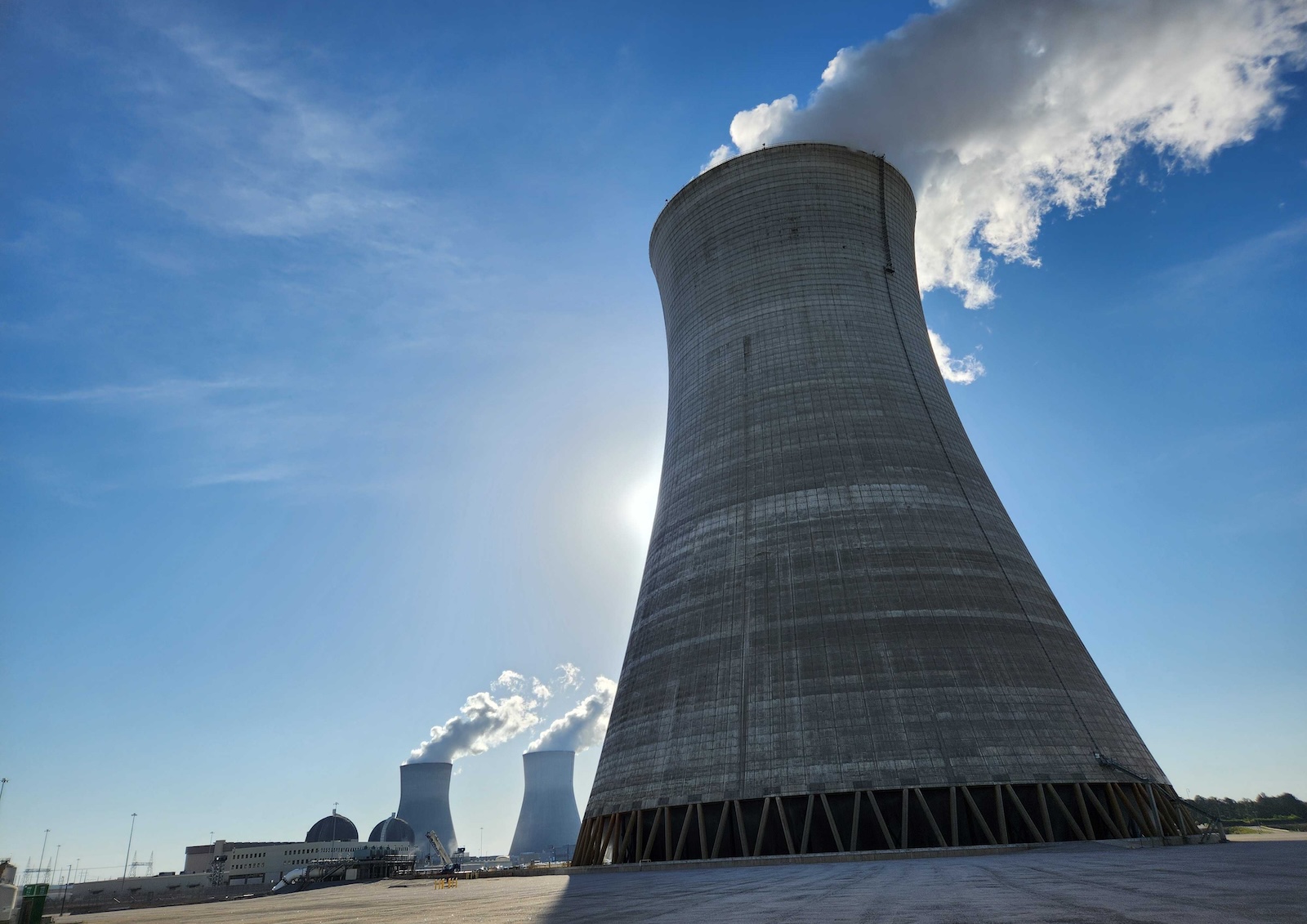
This coverage is made possible through a partnership between Grist and WABE, Atlanta’s NPR station. Last week, the Georgia Public Service Commission voted to approve a new deal between Georgia Power and the tech giant Google. Starting in 2028, Google will help pay for upgrades to the state’s nuclear reactors. “So, around 100 megawatts of carbon-free energy, paid for by somebody else,” PSC Commissioner Stan Wise said to staffers shortly before the vote. “Why don’t you bring us some more of those deals?” Georgia Power wants to upgrade four of the state’s older nuclear reactors at Plant Vogtle and Plant Hatch so they can produce more energy. State regulators approved the Vogtle upgrades last year, but the specifics of how to pay for the work weren’t hashed out. Now, the commission has voted to move ahead with the updates at Plant Hatch too — and approved a new subscription program so large customers like Google can pay for both. “We appreciate Google’s continued leadership in this space and partnership in developing this program, which we see as the latest example of how large-load growth can benefit all electric customers,” said Aaron Mitchell, senior vice president of strategic growth for Georgia Power, in a statement. Under the program, Google will pay a subscription fee on top of its electricity bill to help cover the cost of the nuclear upgrades. In exchange, Google gets credit toward its goal of using only carbon-free energy by 2030. Since nuclear plants don’t use fossil fuel, the power they generate qualifies; nuclear plants can also generate electricity around the clock, which solar and wind power can’t do. Precise details of the agreement between Google and Georgia Power haven’t been made public. It’s expected to add 96 megawatts of nuclear capacity to the grid and provide “approximately $900 million in projected benefits to customers over the life of the units,” according to the utility. “This collaboration with Georgia Power ensures that digital infrastructure growth goes hand-in-hand with positive local impact, helping to deliver hundreds of millions of dollars in direct customer benefits and supporting a more affordable, clean, and reliable energy system for all Georgia residents,” said Lucia Tian, director of advanced energy technologies for Google, in a statement. Google also announced last week that it will partner with Constellation Energy to fund similar nuclear upgrades at reactors in Illinois, New Jersey, and Pennsylvania, adding 890 megawatts of energy to the grid for PJM, the largest grid operator in the country. Amazon has announced a deal to add capacity to a Constellation nuclear plant in Maryland. Read Next Around the country, many utilities are meeting the boom in energy demand from hyperscale data centers by building new natural gas generation and extending the life of coal-fired power plants. Similarly, many data centers are building their own fossil-fuel generation. Deals like this one could present an alternative, according to Priya Barua of the Corporate Energy Buyers Association, which advocates for non-fossil energy solutions for corporate customers. “A number of large energy customers are looking kind of across the board at what are all of the tools in the toolkit in order to actually support a reliable, affordable grid,” she said. “I do think we’re going to see a lot more of those types of innovations and thinking across the board.” In addition to nuclear improvements like the ones in Georgia, those tools could include energy efficiency programs, transmission line upgrades, and efforts to reduce energy demand at key times to relieve pressure on the grid — all solutions that can be scaled up relatively quickly with an infusion of cash from a large tech company, Barua said. That speed could prove critical in the coming years because there are significant delays in the supply chain for natural gas turbines and other key components in the gas expansion that Georgia Power and other utilities are planning to meet data center demand. A new nuclear plant can take decades to build, whereas upgrading an existing plant can take around five years. “It can mitigate delays in projects coming online,” said Katie Southworth, also of CEBA, of programs like the Google-Georgia Power deal. “You’ve got a relay race, and who is going to get to [commercial operation date] first. In order to have the resources to sort of run a competitive relay race, you have to have a lane for them to go into.”
Why Google is paying to upgrade nuclear power plants
Full Article
Original Source
Read the full article at Grist →KhanList aggregates and links to publicly available news content. We do not host full articles from third-party sources. Always verify important information with original sources.