
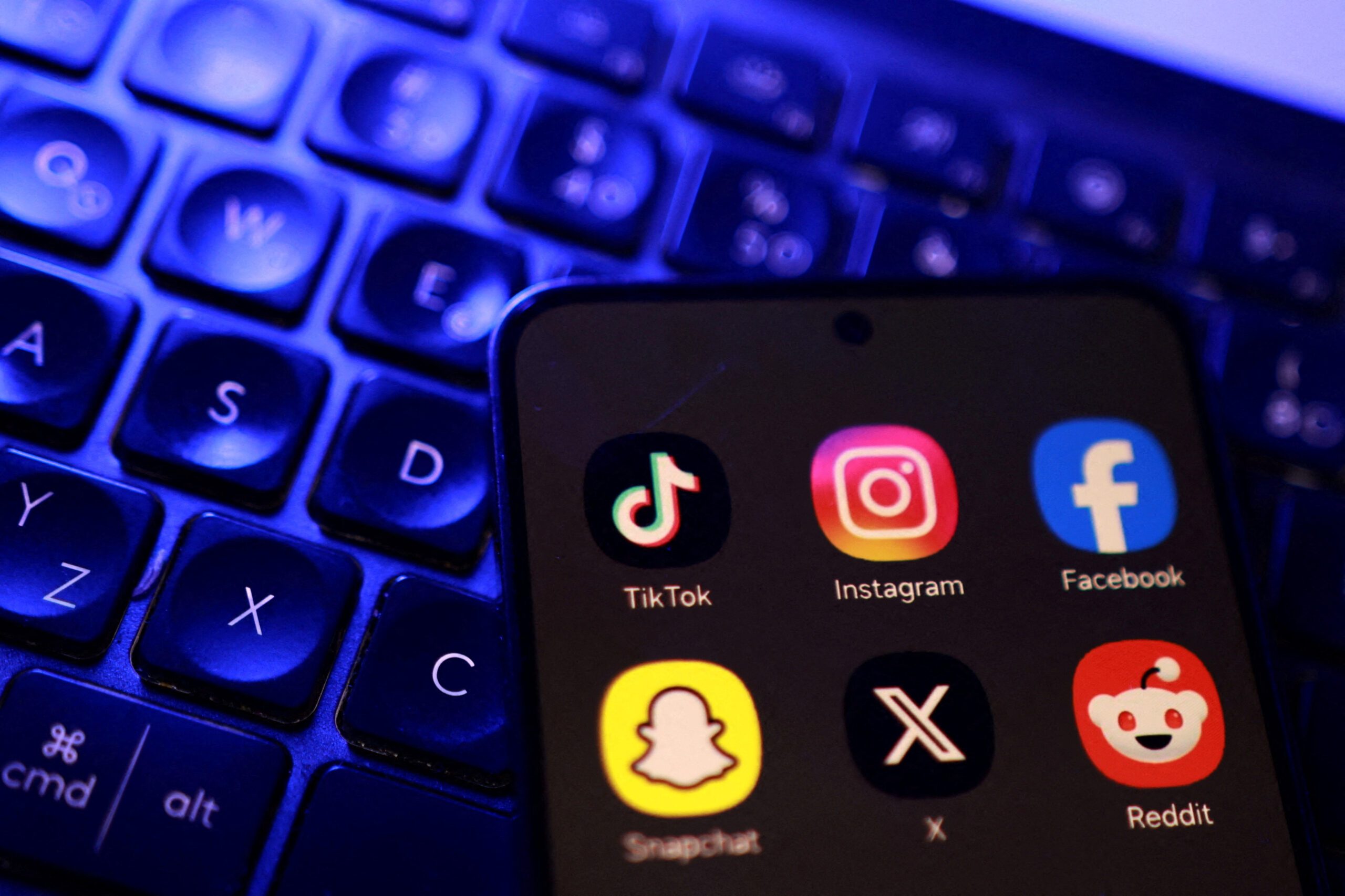
Philippine lawmakers are debating a proposed ban on social media access for individuals under 18, amid concerns about online dangers such as cyberbullying and exploitation. Australia's experience with a similar age restriction shows that bans may not effectively reduce social media use among minors, highlighting challenges in enforcement and the need to address harmful platform features. The House of Representatives has proposed a more nuanced approach, allowing restricted access for older teenagers while banning social media for those 13 and younger, emphasizing the importance of digital literacy and the need for targeted regulations. This is AI-generated. Read the article for full context. Report any errors. MANILA, Philippines – Protecting children from the dangers of social media is an increasingly urgent concern for governments worldwide. But does keeping young people off these platforms necessarily make them safer? This is a question Philippine lawmakers must confront as Congress deliberates on legislation prohibiting anyone below 18 from accessing social media and other high-risk digital services. On Thursday, October 8, the Senate approved Senate Bill No. 2424, or the Safe Media Access and Responsible Technology for Kids in Digital Spaces (SMART KIDS) Act, by a vote of 16-1. The measure comes amid concerns about cyberbullying, online sexual exploitation, violent content, grooming and manipulation, and addictive algorithms. But an outright ban covering everyone under 18 — the widest-reaching age threshold in the world if enacted — is arguably a draconian response to a serious problem. It raises questions about proportionality, enforcement, and whether restricting access addresses the underlying causes of online harm, or just delays regulation that deals with the addictive and harmful features of social media platform. What Australia tells us Australia implemented a nationwide social media minimum-age restriction in December 2025, prohibiting those under 16 from holding accounts on covered platforms. Its experience offers lessons for Philippine lawmakers: implementing it is a challenging matter. According to Australia’s eSafety Commissioner, social media usage among children under 16 only declined from 85.9% before the restrictions to 81.5% three months after. In other words, roughly eight in ten children continued using social media despite the ban. A CNA Talking Point documentary showed teenagers circumventing age-verification measures. Some passed facial age-estimation checks because the technology incorrectly identified them as older than 16. Conversely, some adults were denied access after being mistakenly classified as minors.Teenagers also described creating new accounts, using alternative devices, and seeking help from adults. An expert involved in Australia’s age-assurance technology trial attributed some failures to inconsistent implementation by platforms. Australia’s experience illustrates the limitations of what may be a stopgap measure, particularly when enforcement remains inconsistent. If young people can readily circumvent restrictions, how much protection does the law actually provide? Are we addressing the source of harm? A blanket ban doesn’t address the harmful platform features, including algorithms that amplify disturbing content, infinite scrolling, autoplay, and notifications designed to keep users engaged. Such features do not disappear when minors are prohibited from accessing platforms. Ian Russell, a British online safety campaigner whose 14-year-old daughter Molly died by suicide in 2017, has questioned blanket restrictions. An inquest concluded that harmful online content contributed to Molly’s death. Despite campaigning for stronger protections, Russell argued in a BBC Newscast interview that banning children does not address the source of harm, and believes governments should hold technology companies accountable for algorithms and design features that expose users to dangerous content. Restrictions and more targeted regulation against dangerous features are not mutually exclusive. But we must recognize what the proposal of a ban for under-18s: a stopgap solution that doesn’t go at the root of the issue. Not all minors are the same The Senate raised the age threshold from the original under-16 proposal to under 18. The increase comes amid recent school shootings and other violent incidents involving young people in the Philippines. But lawmakers must establish whether sufficient evidence connects these incidents to social media and whether a blanket ban would prevent similar tragedies. A policy driven primarily by fear rather than scientific evidence risks unintended consequences. This concern is central to Senator Risa Hontiveros’ dissenting vote. “Eighteen is the legal threshold for adulthood. But it is certainly not a developmental threshold,” Hontiveros said. She argued that a 13-year-old and a 17-year-old are not developmentally equivalent simply because both are minors. Hontiveros cited the UN Convention on the Rights of the Child, which recognizes children’s evolving capacities as they mature. She also emphasized that social media provides livelihoods through online selling and content creation, helps children connect with OFW parents, and allows them to report abuse and participate in public discussions. At 15, Filipinos can already vote in Sangguniang Kabataan elections and legally work, subject to labor regulations. Yet the proposed ban would restrict access to platforms used for political participation and economic opportunities. Beyond these consequences, a blanket ban could also be viewed as a repressive restriction on young people’s freedom of expression. Digital platforms have become common avenues for teenagers to voice opinions, exchange ideas, and participate in public discourse. A more nuanced House proposal The House of Representatives has taken a different approach. On October 6, it approved on second reading House Bill No. 11566, or the Safe and Friendly Environment for Kids in Digital Spaces Act. According to INQUIRER.net, the House measure proposes a complete social media ban for children 13 and younger, while allowing older teenagers restricted access. The legislation would shield teenagers from harmful advertising, livestreaming, algorithm-driven short-video feeds, and gambling-like mechanisms. It would also restrict contact with unknown adults and certain artificial intelligence features. Pasig Representative Roman Romulo, who sponsored the measure, said the distinction was deliberate. “Younger children require a clear minimum age boundary, while adolescents require a framework that recognizes their growing capacity for independence without disregarding the risks to which they remain exposed,” Romulo said. The House approach resembles the age-appropriate framework advocated by Hontiveros, recognizing that older teenagers can gain greater independence while retaining safeguards. Preparing children for a digital world A blanket ban could also undermine digital literacy. Young people need to understand algorithms, misinformation, online predators, scams, and exploitation. Would an 18-year-old encountering social media for the first time necessarily be better equipped than a younger teenager who gradually learned under parental guidance? Supporters may argue that digital literacy can be taught without social media access. But supervised exposure offers another approach. Social media companies have also advocated age-appropriate frameworks, including teen accounts and parental controls. Their position warrants scrutiny, given their commercial incentives to retain users. Again, governments could instead impose enforceable standards addressing harmful algorithms, addictive design, and inadequate child protections. As the House reviews SB 2424, it has an opportunity to examine which restrictions are proportionate, enforceable, and supported by evidence. The goal should not simply be to keep children off social media, but to make the digital environments they encounter safer. – Rappler.com
Why Congress should think twice about banning under-18s from social media
Full Article
Original Source
Read the full article at Rappler →KhanList aggregates and links to publicly available news content. We do not host full articles from third-party sources. Always verify important information with original sources.