
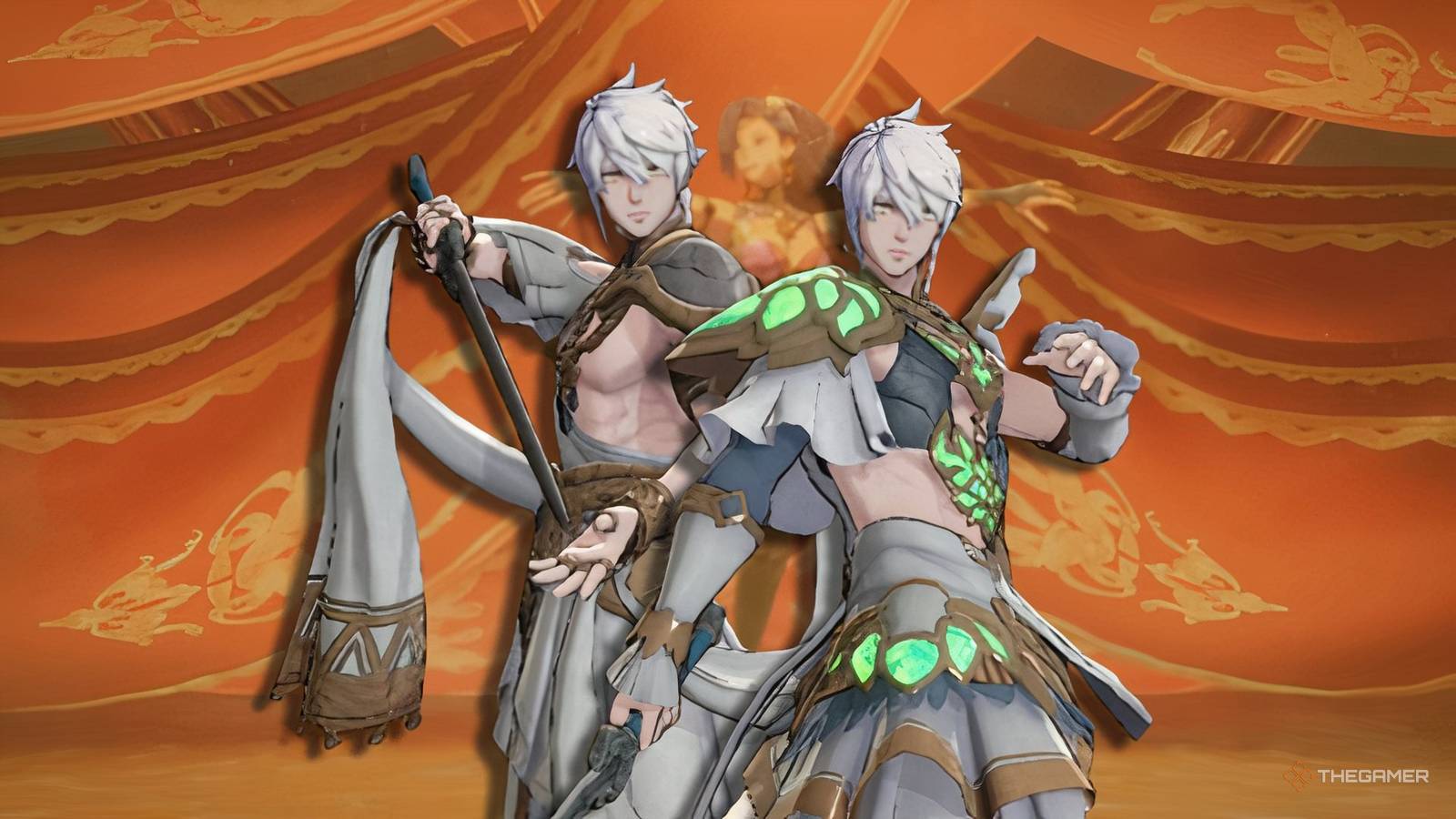
Published Sep 22, 2026, 6:30 PM EDT Ryan Thompson-Bamsey has been an Editor at TheGamer since 2021. He has specialized in RPGs, grand strategy games, and visual novels, reviewing major releases in franchises from Square Enix, Larian Studios, and Paradox Interactive. Ryan has served multiple times on the jury for the Indie Cup awards, and has mentored many emerging writers in the games industry. He has covered some of the biggest releases of recent years, including leading the site's coverage of Baldur's Gate 3, Dragon's Dogma 2, and plenty of other massive RPGs. Leda unlocks Dancer through her quest in Fire Emblem: Fortune's Weave, making her the natural first choice. Dance gives an ally another action, and her Sword and Bow training suits the certification. Yet Leda's Blaze Arts can strengthen the team, so leaving her in the refresh role carries an opportunity cost. The best long-term Dancer is not necessarily the strongest fighter. Look for someone comfortable with Swords and Bows who can stay close, survive, and afford to spend turns refreshing a better action. The same logic applies when The Apsara becomes available. Jester and Nezha worked for me, but the right choice depends on your roster. Who Should Get The Dancer And Apsara Classes? Stage Best Approach Why When Dancer first unlocks Use Leda Her quest grants her the initial certification and she's a mandatory unit for her Part. She suits it! Once you can reassign it Choose a dependable Sword/Bow unit whose attacks you can afford to give up. Apply this same test to The Apsara once unlocked. The point is to keep your action refresh and Leda's superior support abilities separate, letting you apply both at the same time. Divine Tier Unlock The above is even more important with The Apsara, thanks to how useful the class's skills can be. Leda's Great Dancer's Successor quest appears in Chapter 9 and rewards the Dancer's Necklace. Dancer requires Bow B and Sword B, and its defining skill, Dance, gives an ally another action. Mastering the class grants Special Dance, which also boosts the danced ally's Speed and Dexterity. Only one unit can hold Dancer at a time, but Return Classification releases it so another eligible unit can certify. To pick that unit, prioritise Sword and Bow proficiency, then ask what they usually do with their turn. A unit with exceptional damage, healing or unique support may cost the team more by Dancing than they gain from the refreshed action. A unit who can stay near your main attacker and survive that position, without surrendering an irreplaceable action of their own, is a better fit. This is why Leda is a genuine choice rather than an automatic endgame answer: her buffing Blaze Arts do not grant an extra turn, but they compete with Dance for her action. Jester worked as my replacement Dancer because Sword and Bow are both among his preferred skills, reducing the training detour. In Part 3, I gave The Apsara to Nezha instead, leaving Leda free to focus on Blaze Arts. Nezha favours Sword, although his Bow needs deliberate training; The Apsara asks for Sword A and Bow C. Those are just examples of the approach, not a fixed ranking: neither Jester's Blink of an Eye nor Nezha's Quick Draw improves Dance itself. Judge the rest of your roster by the same proficiency, positioning and opportunity-cost test.
Who Makes The Best Dancer? — Fire Emblem: Fortune's Weave
Full Article
Original Source
Read the full article at Thegamer →KhanList aggregates and links to publicly available news content. We do not host full articles from third-party sources. Always verify important information with original sources.