
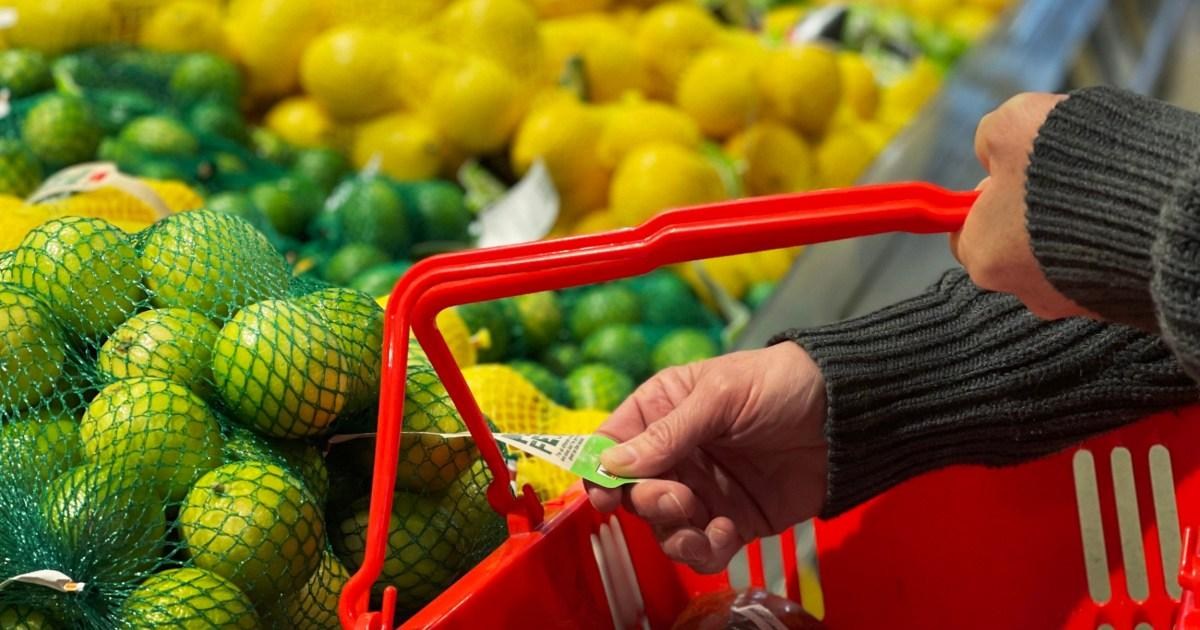
Is citrus fruit peel fit for consumption? (Picture: Lisa Maree Williams/Getty Images) What’s going on with limes in supermarkets? This is the question that’s been on many people’s lips this week, after a post about citrus fruit went viral on social media. Eva Humphries, a nutritionist from Nottingham, took to Instagram to share an unexpected find in Lidl. During a visit to the retailer, she spotted what she claimed was a ‘new warning label’ on limes and oranges in her local store. It said the peel was ‘unfit for consumption’, before listing post-harvest pesticides used to ‘conserve’ the fruit. According to Lidl, the ‘unfit’ warning was added in error, and there have been no changes to the fruit. A spokesperson for the retailer told Metro: ‘We can assure our customers that these products have not changed and fully comply with all UK safety standards. ‘We are working with our supplier to have the packaging label updated as quickly as possible.’ However, Eva’s post left many people concerned about the use of pesticides on food more generally. The images she shared provided a closer look at the labels on blood oranges, sweet easy peelers, and limes in Lidl, which stated that the various fruits had been treated with fungicides like Imazalil, Azoxystrobin, Fludioxonil, Pyrimethanil, and Thiabendazole. Post-harvest chemicals are often added to some fruit and veg (Picture: Getty Images) Ask Metro Use AI to go deeper into the stories you care about – powered by Metro and trusted publications. Some also contained E903, which is a plant-based wax from the leaves of carnauba palm trees. These chemicals are types of pesticides designed to protect fruit from fungi and spores during transportation, and increase shelf life. The government says fungicides ‘play an important role’ as they help ensure food availability, affordability and safety. Why are people worried and do they need to be? Thousands of shoppers have responded to Eva’s post about citrus fruit, voicing concern about pesticide ‘health risks’. Some pointed out that fungicides like imazalil, fludioxonil, and Thiabendazole meet EU regulatory criteria for endocrine disruptors. These are substances that interfere with the body’s endocrine system, which is responsible for producing and regulating hormones. Research has linked high exposure to certain pesticides with adverse health effects, but experts have confirmed the risk for the general public in the UK is considered very small. Cancer Research explains: ‘Leftover pesticides on food do not cause cancer. ‘Small amounts of pesticides can remain on the surface of food, like fruits and vegetables. But this is at low levels that are not harmful to people.’ Several different pesticides are used on produce (Picture: Shutterstock / David Moreno Hernandez) In the UK, there are strict regulations in place for pesticides, with legal maximum residue levels (MRLs) set for the chemicals used on our food. These MRLs are ‘always set below the level considered to be safe’, and according to the government, the vast majority of food in the UK falls within the maximum legal limits, and there is a ‘high level of protection for consumers’. Safe levels vary between chemicals, and it gets a little more complicated when multiple pesticides are used on a product, as it can create what is known as a ‘cocktail effect’. Scientists are interested in the potential effects of combined exposure to multiple pesticides, but it’s worth noting that the presence of multiple residues does not automatically mean there is a health risk. Do you buy organic fruit and vegetables? Sign up to Metro's The Slice newsletter for your guide to what's on in London, with trusted reviews, offers and giveaways. What do supermarkets say? Metro asked supermarkets including Tesco, Sainsbury’s, Morrisons, and Asda about the pesticides used on their citrus fruit, and they all said they are aligned with the British Retail Consortium’s (BRC) safety standards. Jim Bligh, the director of food policy at the BRC, said: ‘Retailers work closely with suppliers to ensure citrus fruits meet all relevant safety and regulatory standards, including legal labelling requirements. ‘Retailers also offer a wide choice of citrus products, so customers can select the options that best suit their preferences.’ Does washing fruit remove pesticide residue? Washing fruit and vegetables doesn’t remove 100% of pesticide residue (Picture: Shutterstock / Joyseulay) The Food Standards Agency recommends washing fruit and vegetables before eating them so they are clean from soil and bacteria. However, while washing fruit can help reduce the amount of pesticide residue on the surface, it doesn’t remove 100 per cent of it. There’s also some research to suggest these chemicals don’t just stay on the surface of the peel. A 2022 study by researchers at the College of Biosystems Engineering and Food Science at Zhejiang University found that three post-harvest fungicides could penetrate satsuma mandarins, with pesticide residues detected inside the fruit, including the pulp. For those looking to reduce their exposure to pesticides, organic fruit and vegetables could be a better alternative. Fewer pesticides are permitted in farming, and detectable residues are less commonly found. Do you have a story you’d like to share? Get in touch by emailing MetroLifestyleTeam@metro.co.uk Deals of the Day QVC shoppers can save £159 on Elemis' biggest beauty gift set of the year The new Kurt Geiger collection is full of shoes you'll actually want to dance in I've found the perfect partner to my prescription skincare and I'm hooked I've tested hundreds of beauty products and this Perricone MD cleanser stands out Get £297 worth of beauty products for £80 with PrettyLittleThing's advent calendar Arrow MORE: All the biggest 2026 Christmas adverts so far including John Lewis and Aldi’s Kevin the Carrot Arrow MORE: Asda goes unconventional for its Christmas advert with pyro-crackers and dance music Arrow MORE: Sorry John Lewis, Barry from EastEnders may have stolen the Christmas advert crown The Slice Your free newsletter guide to the best London has on offer, from drinks deals to restaurant reviews.
What’s going on with supermarket limes and oranges amid ‘unfit for consumption’ warning
Full Article
Original Source
Read the full article at Metro →KhanList aggregates and links to publicly available news content. We do not host full articles from third-party sources. Always verify important information with original sources.