
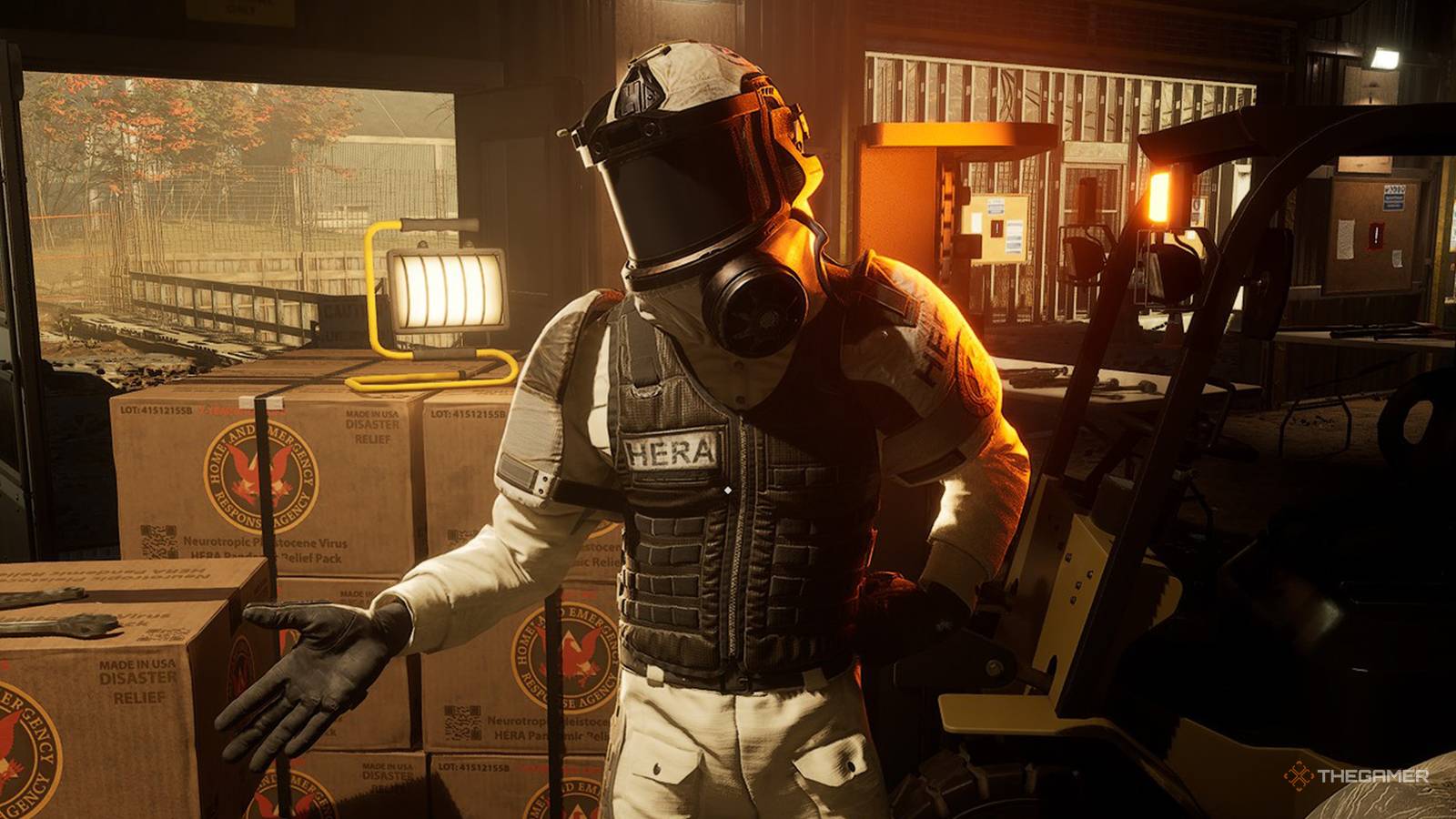
Published Aug 22, 2026, 8:02 AM EDT Steven is a seasoned writer specializing in the video game and technological fields, with years of experience creating reviews, features, and industry analysis. Passionate about the gaming world and its evolving culture, Steven has always wanted to combine his enjoyment of writing and love for gaming in a way that can provide insightful coverage for players and enthusiasts alike. With the full release of No More Room in Hell 2, both the economy and player progression system have received several overhauls that drastically change how you unlock gear, weapons, and level up your Responders. As it stands, No More Room in Hell has two separate currencies and two ways of progressing through levels with account and character XP. While gearing up and collecting loot in between missions is a core part of No More Room In Hell 2's gameplay loop, the first question you'll likely ask yourself is what you'll be able to save in between matches, and what carries over afterwards. While the extraction-style gameplay of No More Room In Hell 2 might make it seem like you should be hoarding every powerful weapon or rare item you can get your hands on to store at home, your inventory will be fully reset upon the completion of a mission, leaving you with only the loadout of items you brought into the match in the first place. This doesn't mean that there isn't any form of progression or reward for your time spent playing aside from character XP, as all collected Supply Items will be instantly converted to Credits after successfully extracting from your mission. You can also find Critical Supplies that will convert to a boon of credits after successfully returning with them, but take up inventory space and need to be carried out manually. All Currency Types Explained If you're wondering how to beef up your loadout before going into a match or what exactly you're expected to spend your hard-earned Credits on, you'll be happy to know that the inventory page of NMRIH2 is filled with weapons, gadgets, utility items, and even cosmetics that can only be unlocked by spending Credits. It is important to know that any items purchased on your inventory page will only be available for that specific Responder and will also be permanently lost upon that character's death. Lower difficulty modes allow your character to be revived after certain checkpoints are completed, albeit with fewer rewards. So long as your Responder is alive, however, you'll be able to bring in a total of 3 items from your arsenal of purchased survival equipment that will persist between matches. You'll also notice that on top of being more expensive, some powerful items and weapons are also locked behind account level, like my personal favorite handgun, the M1911A1, which requires you to be level 20 before you can even hope to purchase it. On top of being earned from collecting Supply Items, Credits can also be obtained through weekly challenges, which will also grant you the new Merit currency introduced in the 1.0 update. Only earnable through these assignments, merits can be exchanged for cosmetic outfits as an alternative to Credits, and for Rescue Beacons that will save a Responder upon death. While Rescue Beacons will save your Responder's current XP and skills when killed, all items equipped on the character will still be lost. How Progression Systems Work Although you have to go out of your way to earn credits by collecting Supply Items, you will slowly increase both your Responder and account level simply by completing objectives during each mission, with each task adding more to your total payout. You can also check how much XP you will earn at the end of a successful extraction by checking the right side of your inventory wheel. Each character has a subtype that will start them off with related skills, and offer more similar ones in future upgrades. On top of having certain weapons locked behind account progression, each level for your account will grant you new skills to add to the pool of options when leveling up a character, with a new skill at each of the following milestones: Level 1 Level 5 Level 10 Level 15 Level 20 Level 30 Level 40 Level 50 Level 75 Level 100 If you're unhappy with one of your character's skills or past choices, you can also spend credits to either re-roll or enhance the one you already have equipped, allowing you to further refine high-level operators. It is important to note that the higher level a skill is, the more credits it will take to alter, making it best to plan early before you get into the later levels of character progression.
What Carries Over Between Missions In No More Room In Hell 2?
Full Article
Original Source
Read the full article at Thegamer →KhanList aggregates and links to publicly available news content. We do not host full articles from third-party sources. Always verify important information with original sources.