
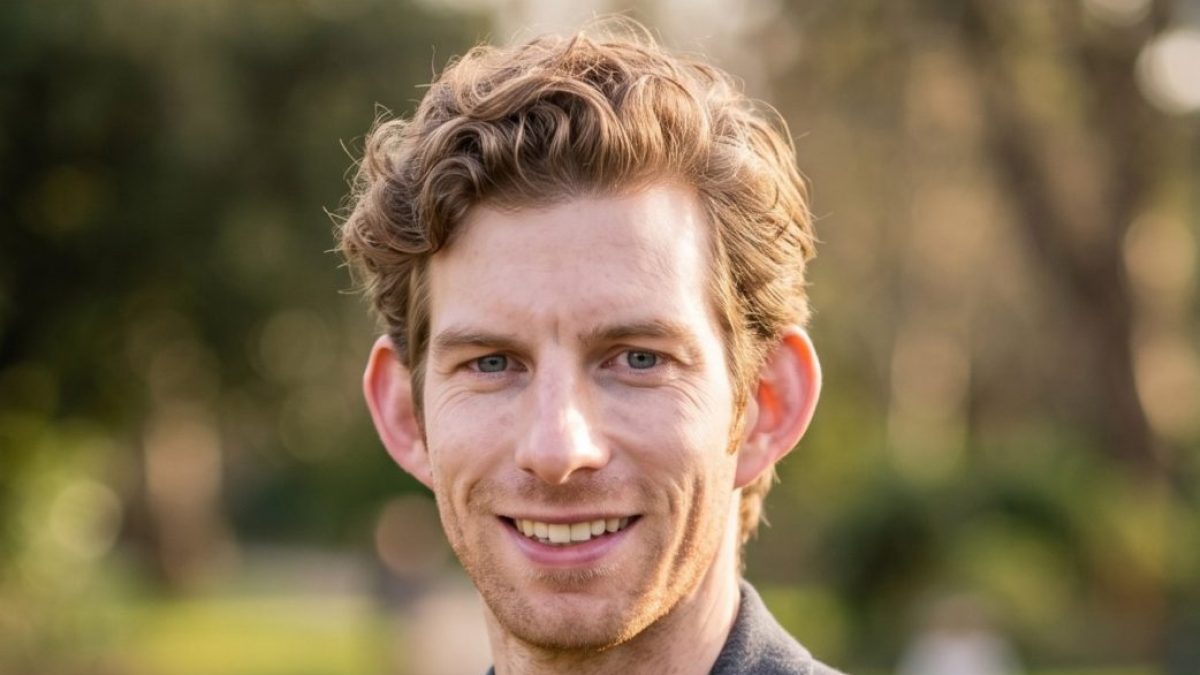
Simon Leach, 45, said he and his partner can’t afford to buy a home, let alone have children, despite the fact they have a joint income of £120,000. Known as “DINKs” – dual income and no kids – the term is often used to reference partners who have chosen a child-free life, when it could instead be down to necessity. Simon, who lives with his partner Marie, 40, in northwest London, said: “The costs of having children are eating away at the notion that we can start a family. Just take childcare costs, it’s almost akin to a second mortgage and that is even before you feed and clothe them. Shorts “I want to be responsible and give them the best start in life and I feel as though our circumstances don’t currently allow us to do that.” It comes as rising living costs are causing many couples to postpone parenthood with research from wealth manager Killik & Co finding 46 per cent of millennials want to feel financially secure before starting a family. Simon, an accountant, and Marie currently rent a two-bed flat for £1,700 a month with bills costing an extra £800 a month. He said before thinking about children, the couple want to buy their first home as this would offer them more stability. “We have lived in this flat for quite some time but there is still this sense that it is not permanent. The landlord can change his mind, sell up and cash in his pension,” he explained. The couple are aiming to save a 25 per cent deposit for a house worth around £400,000 and currently have around £20,000 saved. Simon described living “frugally” and tries to save around £400 to £500 a month but with rising living costs he admitted this was becoming increasingly difficult. He said: “It just feels like there’s always someone with their hand in my pocket, and we’re on a treadmill which is set to max, it’s slightly uphill and we’re both running. It feels like we’re starting to fall towards the back of the treadmill, and we’re going to be spat off at the end.” Simon’s situation reflects a growing reality for many, with research from Fidelity International finding 34 per cent of people became a parent later than expected with 23 per cent saying financial reasons played a part. On top of wanting to buy a house, Simon is also very conscious about his retirement and wanting to be financially secure for when that comes. He said: “I don’t fancy being old and decrepit and having no money. I don’t want to be poor and scraping money together to pay for a load of bread and some milk. I am also of the notion that retirement should be fun and should be a second life.” To prepare, Simon is putting 17 per cent of his salary into his pension with his employer contributing 6 per cent. He also started investing five years ago into a stocks and shares ISA and puts in around £150 a month into it. Malvee Vaja, financial planner at Rathbones, said she was noticing major life decisions such as homeownership, marriage or starting a family were being pushed further into the future because competing financial priorities leave little room for manoeuvre. She said: “A six-figure household income can sound comfortable on paper, but it doesn’t always translate into financial freedom. “We regularly speak to high earners who are still struggling to buy a home, particularly in expensive parts of the country whilst also dealing with rising living costs, student debt and the effects of fiscal drag.” Will Stevens, partner at Killik & Co, added that couples postponing parenthood because of the associated costs was becoming an emerging trend. “The cost of living increases we have seen, particularly living costs like rent, have increased the competing financial commitments required to meet day-to-day spending whilst also saving for a home, or a wedding. Many people see these as pre-requisites before having children,” he said.
We’re dual income, no kids – but we can’t afford to buy a home
Full Article
Original Source
Read the full article at Inews →KhanList aggregates and links to publicly available news content. We do not host full articles from third-party sources. Always verify important information with original sources.