
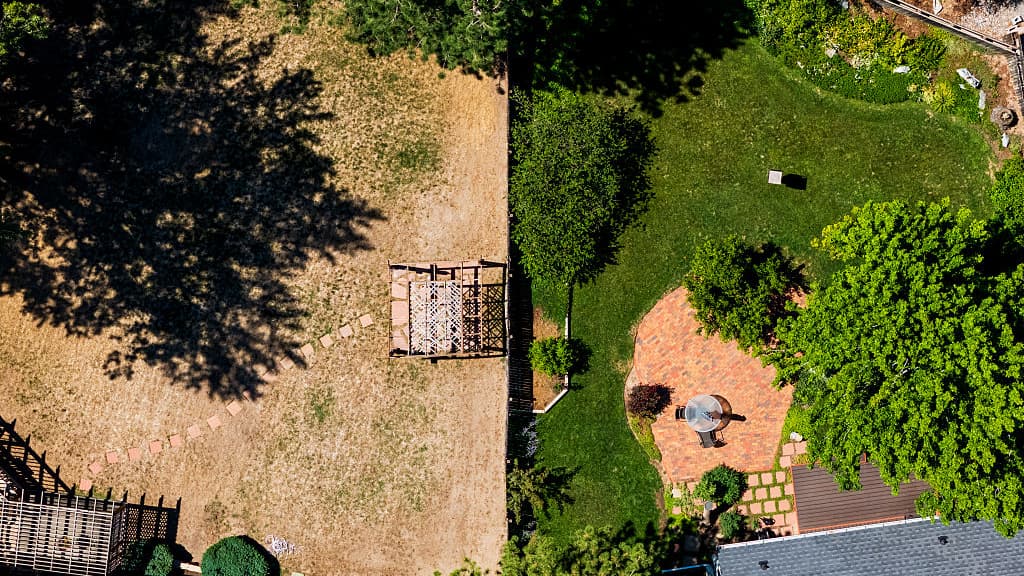
For many Americans, accessing fresh, clean water is as simple as turning a tap. “it's a resource that, in this case, can quite literally run dry,” says John Atkinson, an associate professor of environmental engineering at the University of Buffalo. Earlier this month, federal officials announced sharp cuts in how much water Arizona, California and Nevada would be allowed to take from the Colorado River over the next two years as the water levels for the nation's two largest reservoirs reach record lows. Under the Bureau of Reclamation’s new plan, the three states will have to collectively reduce water use by 1.25 million acre-feet annually over the next two years—or potentially face larger cuts. The average American uses roughly 82 gallons of water a day at home, according to the EPA. Much of that water use is the result of habits that most people rarely give a second thought— like leaving the sink running while washing dishes or setting up an automatic sprinkler system to maintain a green yard. Experts in water sustainability say that there are small steps they take at home to help them save water. Qizhong George Guo, a professor of civil and environmental engineering at Rutgers University, notes that there are plenty of small habits that can add up to significant drops in water usage. Only run the dishwasher or washing machine when you have full ones. If you’re washing dishes by hand, be mindful to not leave the tap running when it's not in use. Soak pans before cleaning them, and turn off the faucet when scrubbing. Many older appliances use more water. Switching to newer models, which tend to be more energy and water-efficient, could yield savings in the long run. “The fixtures have become much more efficient in the last 20 years or so—from dishwashers to showerheads, to faucets,” says Guo. Switching to low-flow faucets, which use less water than older models, are “a low-hanging fruit,” says Helen Dahlke, professor of integrated hydrologic sciences at the University of California, Davis. “You can save several hundreds of gallons of water per year, and that will also show up on your water bill as a benefit.” When looking for a newer model, keep an eye out for products which have a WaterSense label, which meet EPA standards and can save up to 700 gallons per year.Another tip: Check around your home for leaks, which can add up to a lot of wasted water over time. “People would be surprised by how much water gets wasted due to leaks,” says Atkinson. According to the EPA, household leaks waste more than 1 trillion gallons annually nationwide. That's equal to the annual household water use of more than 11 million homes.Where households use the most waterOne of the biggest ways to save water is outside the home. The average homeowner uses 30% to 70% of their water outdoors—watering lawns, flowers and vegetables, the EPA estimates. “It’s the staple picture of the American home—a nice house and a green lawn in front of it,” says Dahlke. “But in regions where water is scarce, you should really think, is it worth it spending several hundreds of dollars a year and several hundreds of gallons a year just keeping green grass that has no use?” Nationwide, landscape irrigation is estimated to account for nearly one-third of all residential water use, totaling nearly 9 billion gallons per day. Dahlke bucked that trend by embracing xeriscaping, or drought-tolerant landscaping. Instead of a traditional green yard, she's planted native plants and flowers that attract local pollinators. She’s noticed bees and hummingbirds have begun stopping by. Another added bonus? “I get a lot of compliments from the neighbors when they walk by,” she says.
We Asked Experts For the Easiest Ways to Shrink Your Home Water Usage
Full Article
Original Source
Read the full article at Time →KhanList aggregates and links to publicly available news content. We do not host full articles from third-party sources. Always verify important information with original sources.