
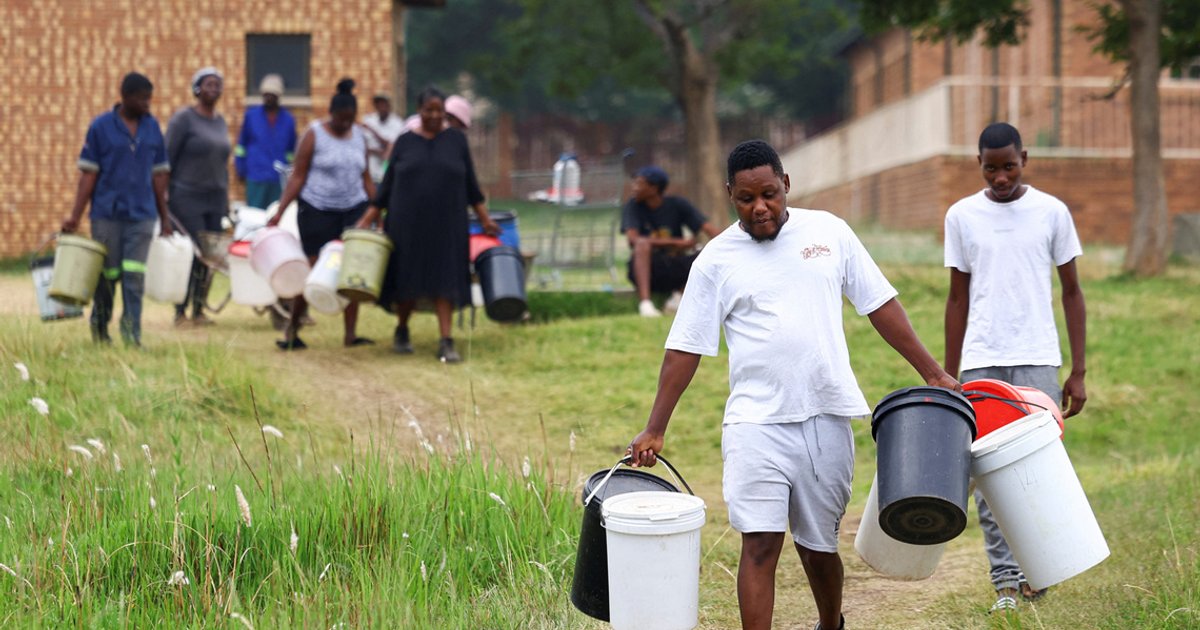
JOHANNESBURG, Nov 2 - South Africans vote in municipal elections on November 4, with basic services, unemployment and crime topping the agenda in the country's biggest cities.In Johannesburg, Cape Town, Pretoria and Durban, concerns range from unreliable water and electricity supplies to joblessness, public safety and a lack of affordable housing.Here are some of the key issues shaping the vote in the major metros:WATER, ELECTRICITY AND SERVICE DELIVERYWater shortages and unreliable electricity supplies have become symbols of municipal failures that have angered voters and eroded support for the ruling African National Congress.About a third of Johannesburg's water supply is lost, with ageing infrastructure, burst pipes, leaks and illegal connections among the main causes, according to the annual report of the city's water agency.Tshwane, which includes the administrative capital Pretoria, faces similar challenges from ageing water and electricity networks and maintenance backlogs.In eThekwini, which includes the port city of Durban, more than half of its water supply is lost before it reaches paying customers due to ageing infrastructure, leaks and illegal connections, the city's oversight report says.Cape Town has directed significant investment towards water, electricity and transport infrastructure as it seeks to keep pace with population growth, though long-term water-security risks remain a concern.JOBS AND ECONOMIC OPPORTUNITYEmployment remains a key electoral issue, although labour-market conditions vary sharply between metros.Johannesburg's unemployment rate rose to 35.9% in the second quarter from 33.0% a year earlier, while Tshwane's increased to 34.2% from 30.8%, according to Statistics South Africa.Cape Town and eThekwini recorded the lowest unemployment rates among the major metros at 21.9% and 21.2%, respectively.eThekwini overtook Cape Town as the metro with the lowest official unemployment rate, while employment in the municipality increased by about 90,000 over the past year to 1.29 million.CRIME AND PUBLIC SAFETYCrime remains a major voter concern across South Africa's largest cities despite improvements in some categories.Police statistics for the first quarter showed murders, carjackings and aggravated robberies declined in Tshwane from a year earlier.In Johannesburg, murders and carjackings also fell, though violent crime remains high.Cape Town recorded fewer murders than a year earlier, but gang violence continues to drive killings in parts of the city.In eThekwini, carjackings and aggravated robberies declined, while murder and attempted murder remained elevated.HOUSING, AFFORDABILITY AND URBAN PRESSURESRapid urbanization is placing pressure on affordable housing and municipal services in most municipalities.Cape Town has attracted an influx of people and businesses, benefiting from a strong tourism recovery after the COVID pandemic, but rising property prices, short-term rentals and rental demand have taken their toll.Tshwane faces increasing demand for housing and basic services, while in eThekwini, sanitation backlogs remain a challenge in some communities. REUTERS
Water, jobs and crime among key issues for South African voters
Full Article
Original Source
Read the full article at Straitstimes →KhanList aggregates and links to publicly available news content. We do not host full articles from third-party sources. Always verify important information with original sources.