
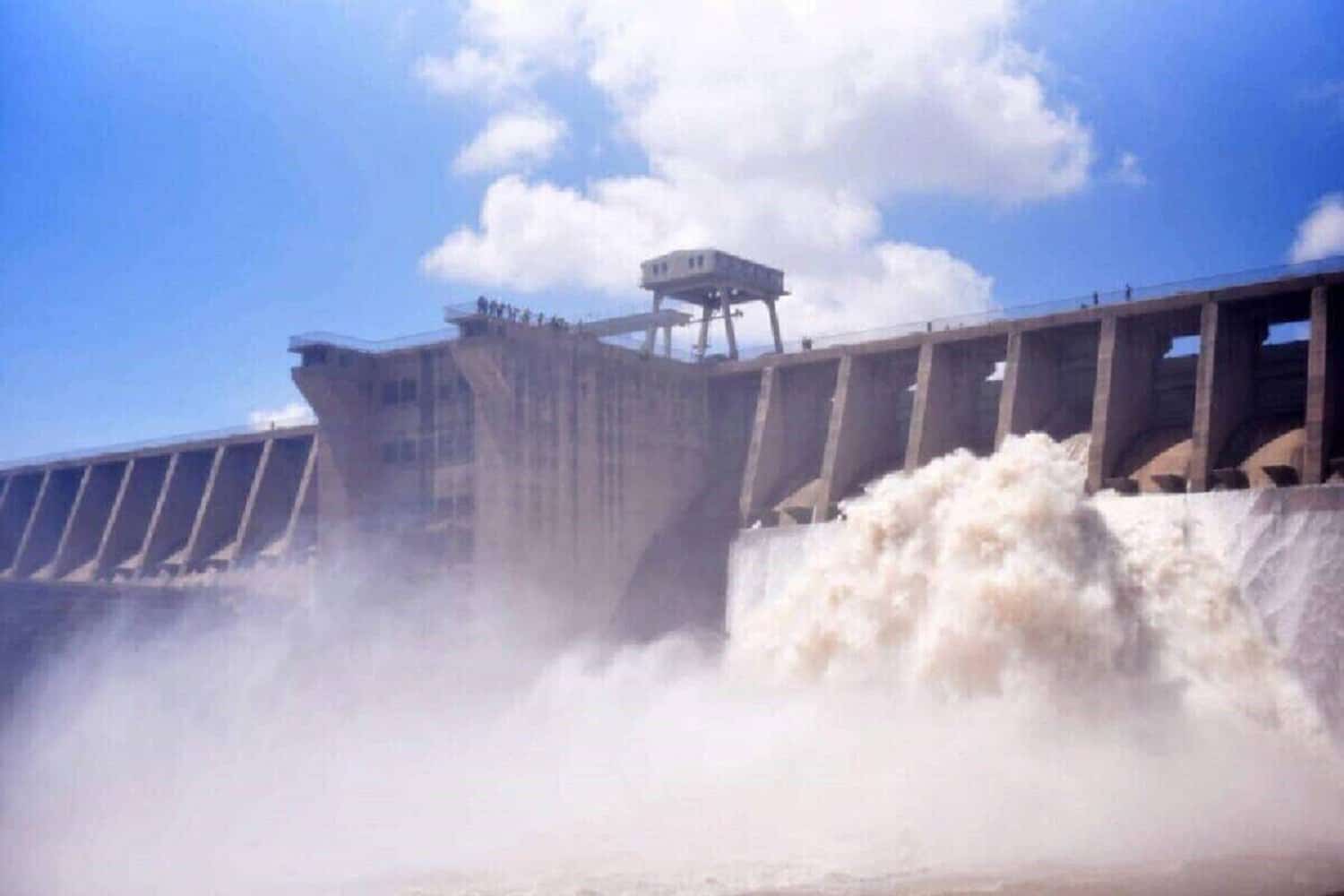
These are the areas that could be affected and how residents can stay safe. The Department of Water and Sanitation (DWS) opened one sluice gate at the Vaal Dam at 12pm on Thursday, 26 November. According to the department, the move was part of proactive dam operations to manage rising water levels. Residents in towns along the Vaal River have been urged to stay alert as river levels could rise. Why the Vaal Dam gate was opened The department linked the sharp rise in water levels to recent rain upstream. “The significant increase in inflows into the Vaal Dam is largely attributed to recent rainfall in the upper catchment of the Vaal River System, which has generated increased runoff into the river network and subsequently into the dam,” DWS spokesperson Wisane Mavasa said. As of 7am, the dam stood at 111.1% of its full supply capacity, with about 756 cubic metres per second (m³/s) flowing in. The open gate was expected to lift the dam’s total outflow to roughly 130 to 150 m³/s. “The release is a controlled operational measure aimed at managing the increasing volume of water entering the dam,” Mavasa explained. According to Mavasa, the final discharge was to be set by the dam level and the gate’s discharge characteristics. “The duration and extent of the release will depend on prevailing inflows, changes in dam storage levels and ongoing hydrological assessments,” Mavasa added. Which areas should expect higher river levels? Water from the dam is set to flow towards the Vaal Barrage and then along the Vaal River to Bloemhof Dam. “Communities, farmers and other water users situated along the Upper and Middle Vaal River, including Vereeniging, Vanderbijlpark, Vaalpark and Parys, should anticipate possible changes in river levels and exercise caution, particularly in low-lying areas and properties close to the river,” Mavasa stated. The department stressed that an open gate alone did not mean flooding would happen. “However, rising river levels and increased flow velocities are possible, and communities are urged to remain vigilant and take the necessary precautions,” Mavasa noted. Bloemhof Dam outflow to rise to 300 m³/s At 7am on the same day, Bloemhof Dam was at 88.9% of its full supply capacity. It was receiving about 227 m³/s and releasing about 20 m³/s. “In view of ongoing rehabilitation works at Bloemhof Dam, the Department has been advised to maintain the dam’s storage level at or below 90% of its full supply capacity,” Mavasa said. Flood-routing assessments guided the department’s plan. These took into account the extra water coming from the Vaal Dam, its travel time and runoff from the area between the two dams. Based on them, DWS recommended raising Bloemhof’s outflow to about 300 m³/s by 2pm. “The operations of Vaal and Bloemhof dams are coordinated to ensure that releases are managed in consideration of downstream conditions and the broader Vaal River System,” Mavasa explained. Municipalities, disaster management structures, dam operators and downstream stakeholders were being engaged on the changes through established communication procedures. “The Department will continue monitoring dam levels, inflows and downstream river conditions and will adjust operational releases as necessary,” Mavasa added. Safety advice for residents along the Vaal River The department urged people living along the river to take extra care, as river levels and the speed of the water could increase. “Members of the public are advised to avoid entering or crossing fast-flowing rivers and flooded low-water bridges, keep children and livestock away from riverbanks,” Mavasa cautioned. People in low-lying areas were given further guidance. “Residents living in low-lying areas adjacent to the river are encouraged to remain vigilant and comply with any safety instructions issued by relevant authorities,” Mavasa said. The public was also advised to follow official updates from DWS and disaster management structures for news on dam operations and river conditions.
Vaal Dam sluice gate opened: Here is safety advice for residents along the Vaal River
Full Article
Original Source
Read the full article at Citizen →KhanList aggregates and links to publicly available news content. We do not host full articles from third-party sources. Always verify important information with original sources.