
Boston-based MagLev Aero is preparing a full-scale demonstration of its drone propulsion platform, which it says is designed to produce more thrust while using less power. The company plans to test the system in flight-relevant conditions as it works toward production for US defense and commercial aircraft. The work is supported by two DARPA awards announced on September 25, 2026. One will fund the propulsion demonstration, while the other will help MagLev Aero develop its commercialization and US manufacturing plans. What the propulsion system aims to improve MagLev Aero says its HyperDrive platform could help drones fly faster and farther, carry heavier payloads and make less noise. Those capabilities could serve several types of aircraft, from surveillance drones operating in contested areas to counter-drone systems intended to intercept hostile aircraft. The company also sees a role for the system in cargo drones carrying supplies where conventional logistics may be difficult. It has not provided measured improvements in thrust, power use, range or noise in the announcement, so those performance claims remain to be established through testing. Propulsion matters because an aircraft has to balance the power available to it against the demands of its mission. A system that delivers more thrust for the same power could give designers more room to prioritize speed, payload or endurance, depending on the aircraft. Full-scale demonstration ahead Under DARPA’s Minimum Viable Product program, MagLev Aero will build and test a full-scale, flight-relevant propulsion demonstration platform. The planned work is intended to culminate in a Technology Readiness Level 6, or TRL-6, demonstration in a relevant operational environment. That milestone would show how the system performs beyond a laboratory prototype. According to the company, the demonstration will address aerodynamic performance, stability, and reliability – questions aircraft manufacturers would need answered before considering the propulsion system for their designs. MagLev Aero describes the architecture as suitable for integration into future autonomous drones and crewed aircraft. The demonstration is intended to give those manufacturers evidence they can use to assess the system, though the company has not announced a flight-test date or identified an aircraft that will use it. Building a US supply base The second award, under DARPA’s Embedded Entrepreneur Initiative, focuses on bringing the technology to market. It will fund an experienced business leader to help MagLev Aero navigate government acquisition processes and pursue opportunities to move the system into use. The company also plans to develop a US manufacturing and supplier base for the propulsion platform. That effort is aimed at defense customers seeking domestically produced drone technology, alongside potential commercial uses in advanced air mobility. “These dual DARPA contracts represent a major inflection point for MagLev Aero,” said Ian Randall, the company’s co-founder and CEO. “We are not just proving out physics in a lab; we are helping build the propulsion industrial base for the next generation of American air power,” he added. For now, the central step is the full-scale demonstration. Its results will determine how closely the propulsion system’s tested performance matches the gains MagLev Aero says it can deliver.Get the latest in engineering, tech, space & science - delivered daily to your inbox.Atharva is a full-time content writer with a post-graduate degree in media & amp; entertainment and a graduate degree in electronics & telecommunications. He has written in the sports and technology domains respectively. In his leisure time, Atharva loves learning about digital marketing and watching soccer matches. His main goal behind joining Interesting Engineering is to learn more about how the recent technological advancements are helping human beings on both societal and individual levels in their daily lives.
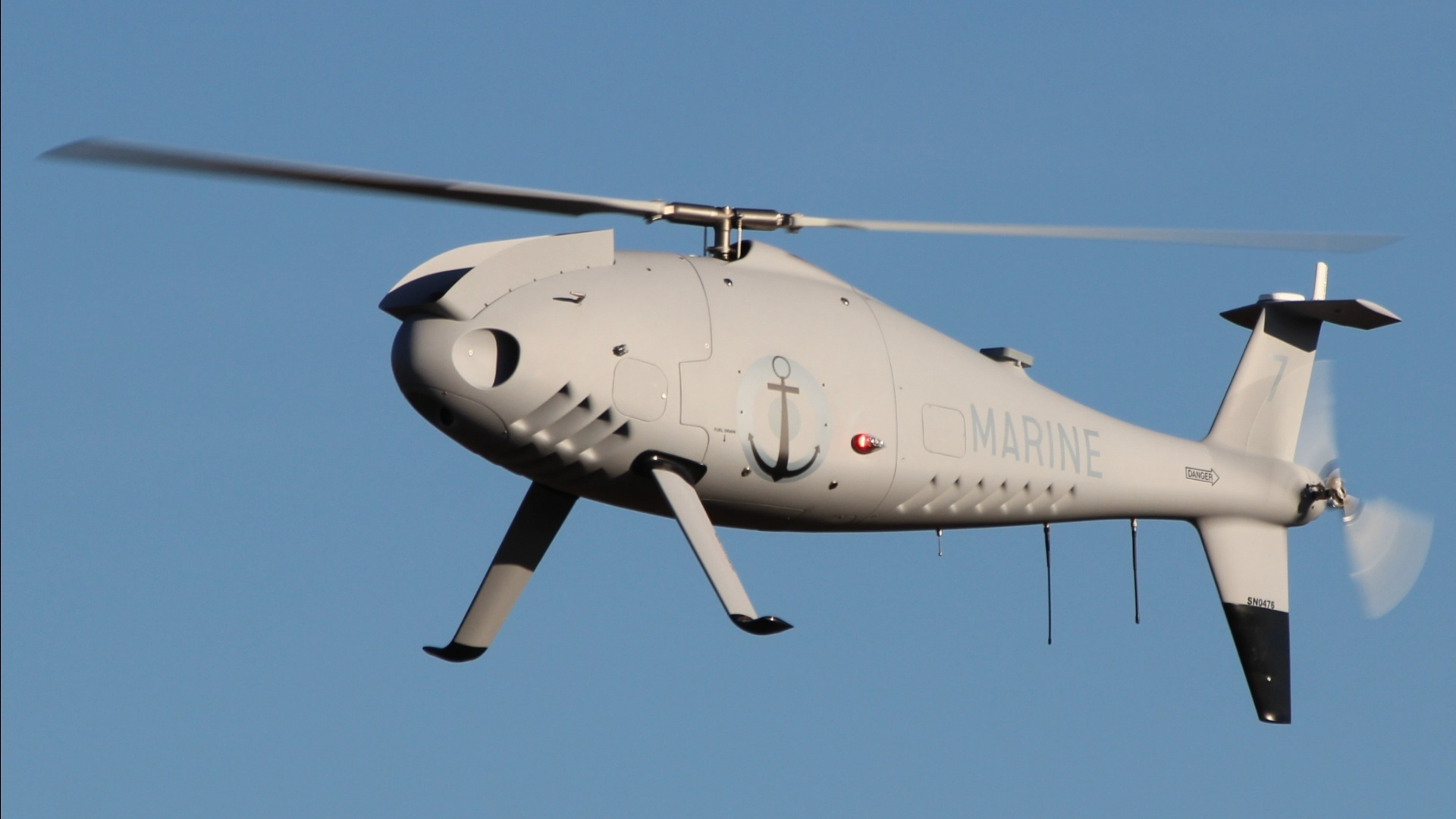
US startup develops drone propulsion system to boost range, payload and speed
Full Article
Original Source
Read the full article at Interestingengineering →KhanList aggregates and links to publicly available news content. We do not host full articles from third-party sources. Always verify important information with original sources.