
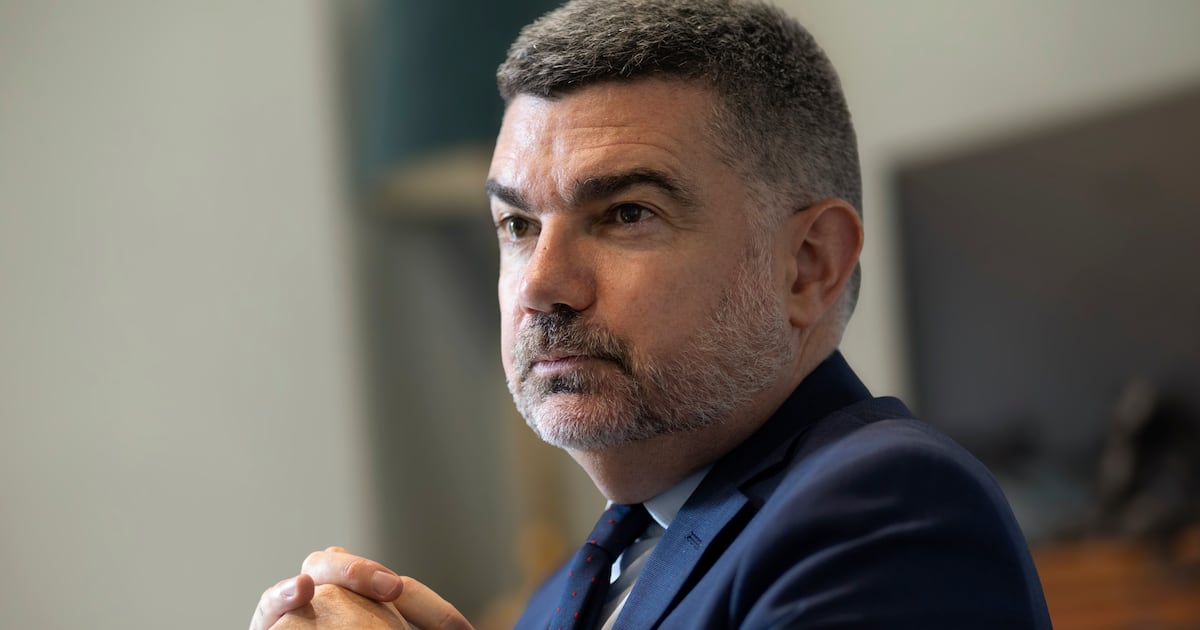
A French judge of the International Criminal Court (ICC) said his bank account was restricted and he has found it “almost impossible” to book flights, taxis and hotels as a result of sanctions imposed by US president Donald Trump. Some services were not provided due to fear and “over-compliance” with the sanctions by some European banks and companies, even for transactions within Europe, Judge Nicolas Guillou told The Irish Times. He said he was denied reimbursement by his health insurer for dental treatment. Guillou was among nine ICC judges and four prosecutors sanctioned last year by Trump arising from investigations into alleged war crimes in Afghanistan and Palestine and the issuing of arrest warrants for Israeli prime minister Binyamin Netanyahu and his former defence minister Yoav Gallant.READ MOREThe sanctions prevent the affected person, their spouse and children from entering the US while also freezing any assets held by a sanctioned person in the country.He said the sanctions expose the EU’s banking and digital vulnerability and over-reliance on US services, adding that Ireland should use its presidency of the Council of the European Union to push for measures to tackle the situation. This includes activating the EU Blocking Statute regulation, which protects EU companies from the extraterritorial effects of foreign sanctions, particularly from the US, he said. Guillou said he believed the fear of a possible imposition of US tariffs may have prevented activation to date, but this is not a time for appeasement. “If our choice is that we would prefer to avoid a couple of per cent of tariffs versus being committed to fighting genocide, crimes against humanity and war crimes, then there is no European project.”Judges Nicolas Guillou (right), Joanna Korner (centre) and Keebong Paek in the International Criminal Court (ICC) in The Hague. Photograph: Piroschka Van de Wouw/AFP via Getty Images He said ICC judges are determined to continue doing their job “but you cannot prevent a chilling effect for everyone”. “If we do not have digital or banking sovereignty, we lose our legal sovereignty and our rule of law is at stake.”Ireland has “a huge role” to play, especially if US sanctions are escalated, he said, and US secretary of state Marco Rubio has made clear he wants “to dismantle” the ICC. The judges of the ICC are not engaged in politics, he said. Rather, they are trying cases involving “hundreds, thousands, tens of thousands of victims”. He said they hear children talking about their parents dying in front of them, parents talking about losing their children, women talking about being raped and men about being tortured. “This is the daily life of the court. This is why there is no question we will give up. We won’t back down, we have to continue.” Guillou was speaking on Tuesday at the Law Society of Ireland headquarters in Dublin, where he was awarded the Medal of Excellence from the society’s centre for justice and law reform. Society president Rosemarie Loftus said Guillou faced “extraordinary challenges” after being placed on the US sanctions list “simply for doing his work upholding the international rule of law”. She added that he “remains a fearless advocate for international justice and accountability, not only for those directly affected by conflict and atrocity, but for the international legal order as a whole”.Guillou said another impact of the sanctions – and for him the most severe – is that no US person or company, including its subsidiaries and employees, may provide a service to, or receive one from, a sanctioned person. In his daily life, that particularly affects banking, digital services and healthcare. His use of his bank account has been restricted and, due to the lack of alternatives to American credit cards, it has been impossible for him to get one. He is effectively barred from banking outside the eurozone.Judge Nicolas Guillou of the International Criminal Court has been unable to make everyday transactions since sanctions were placed on him by the Trump administration. Photograph: Chris Maddaloni/The Irish Times In his address to the Law Society, Guillou said the world is witnessing a movement of rejection of international law and multilateral institutions. This was “driven by two dynamics” – imperial and libertarian. The imperial dynamic is “a return to managing international relations through force” and to “a world where there are overlords and vassals”, he said. The libertarian dynamic involved “the rule of the richest” and a return to managing world affairs based exclusively on wealth and financial interests. The US sanctions follow these dynamics, he said. They “are aimed at influencing judges’ decisions” and creating “a system of domination through fear”. The international rule of law stands in opposition to this dual dynamic “and that is precisely why multilateral institutions are under attack”.
US-sanctioned international court judge urges Ireland to take a stand
Full Article
Original Source
Read the full article at Irishtimes →KhanList aggregates and links to publicly available news content. We do not host full articles from third-party sources. Always verify important information with original sources.