
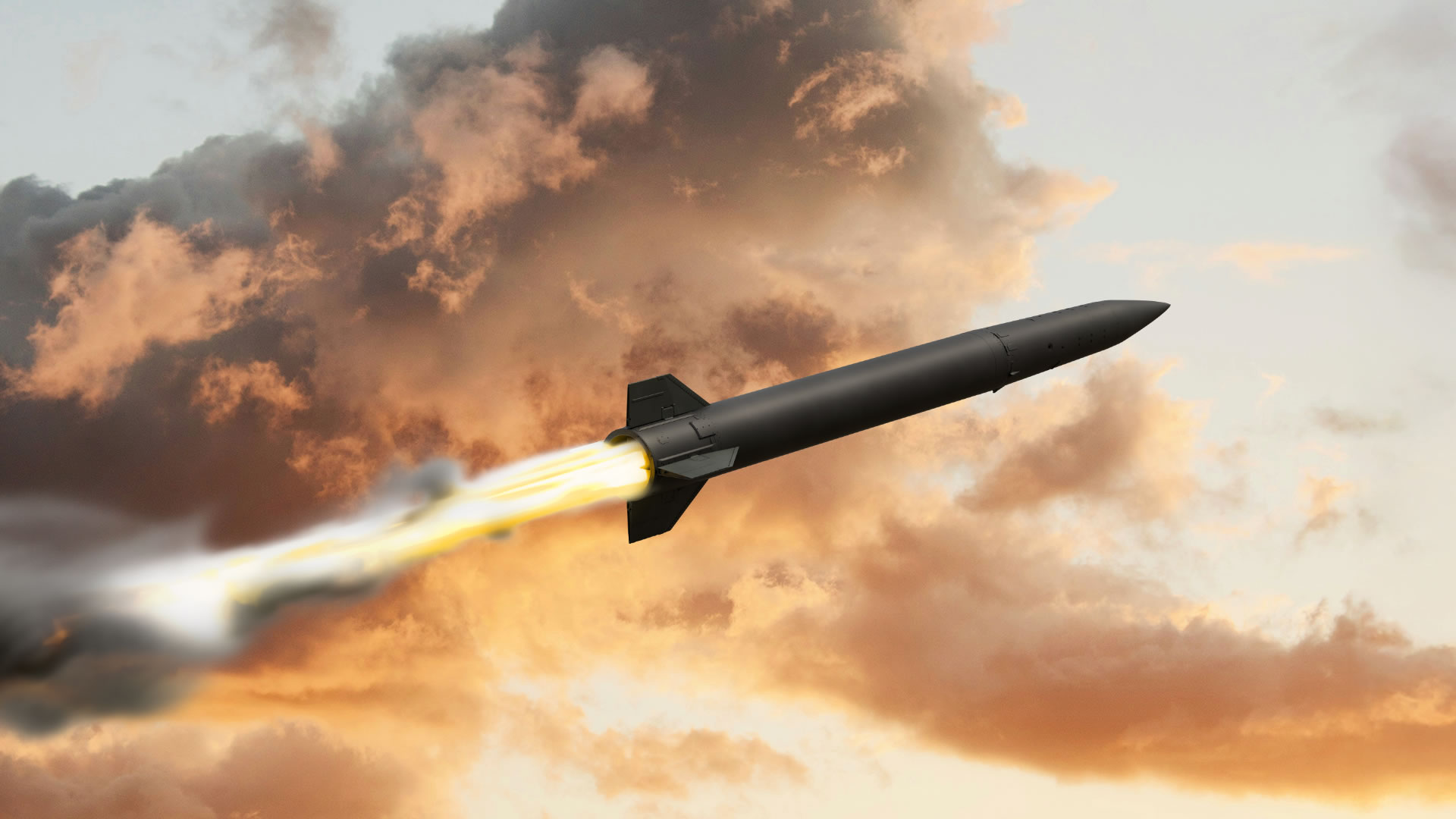
Ukraine’s President Volodymyr Zelensky has announced that Ukraine’s domestically built FREYJA anti-ballistic missile interceptor and launcher is now ready. Developed under a multinational project with European partners, Ukraine’s Fire Point is leading the program. Essentially, the program was designed to provide an alternative to the U.S. Patriot system. Under the program, Ukraine is tasked with building the missile, while European partners supply the sophisticated electronics (like radar) needed to make it work. The main purpose of the system will be to intercept and destroy ballistic missiles, like Russia’s Iskander-M. This is a difficult task, especially when compared to intercepting drones or conventional cruise missiles. A ballistic missile can be traveling at several times the speed of sound, leaving defenders very little time to detect, calculate its trajectory, and launch an interceptor to destroy the incoming missile. FREYJA missile not combat ready yet But this is exactly the task set for the FREYJA program members. As of November 13, Ukraine has fulfilled its end of the bargain by readying the missile and launcher. Denmark has also reportedly completed the system’s radar component. All good news for the program, but this doesn’t mean the system is ready for deployment. The core of the system is Ukraine’s domestically developed FP-7 X interceptor missile. According to Fire Point, Ukrainian defense technology company, the missile is designed to reach speeds of up to Mach 6.5 and intercept ballistic threats at altitudes of between 12.4 miles (20 km) and 15.5 miles (25 km). The interceptor is expected to engage targets within a radius of approximately 50 miles (80 km). Initially, it will use a blast-fragmentation warhead, although future versions could employ direct hit-to-kill interception. It is hoped that around 2,000 missiles will be produced annually once the program is fully spun up. All well and good, but where is the need for this system? Well, there are three major reasons. The first is Europe’s ambitions to be less reliant on the US for military technology, like the Patriot. Such systems are expensive, tricky to make quickly, and are necessarily limited in quantity. The rationale is that if Europe can make its own faster and cheaper while supplying the same level of protection, that would be a great benefit. More work to be done Cost is the second reason, with Fire Point proposing around a $1 million price tag per missile. That compares to around $4 million to $5 million for a Patriot PAC-3 MSE interceptor. The third reason is that Ukraine is very interested in becoming an internationally recognized weapons developer, not just a consumer. If successful, that would be a major change in Ukraine’s historic dependence on Western allies for defense. Major progress has been made, but the system is far from ready for actual deployment. Getting the interceptor to actually find and hit a missile at Mach 5 or 6 will require precision targeting, tracking, and calculations to update guidance systems mid-flight. Even a tiny error could result in a complete miss. Looking forward, full-system integration and testing remain major hurdles. Fire Point has previously indicated that it hopes to conduct the system’s first ballistic missile interception test by around July 2027. Get the latest in engineering, tech, space & science - delivered daily to your inbox.Christopher graduated from Cardiff University in 2004 with a Masters Degree in Geology. Since then, he has worked exclusively within the Built Environment, Occupational Health and Safety and Environmental Consultancy industries. He is a qualified and accredited Energy Consultant, Green Deal Assessor and Practitioner member of IEMA. Chris’s main interests range from Science and Engineering, Military and Ancient History to Politics and Philosophy.
US Patriot alternative? Ukraine’s FREYJA flies at Mach 6.5, reaches 50 miles
Full Article
Original Source
Read the full article at Interestingengineering →KhanList aggregates and links to publicly available news content. We do not host full articles from third-party sources. Always verify important information with original sources.