
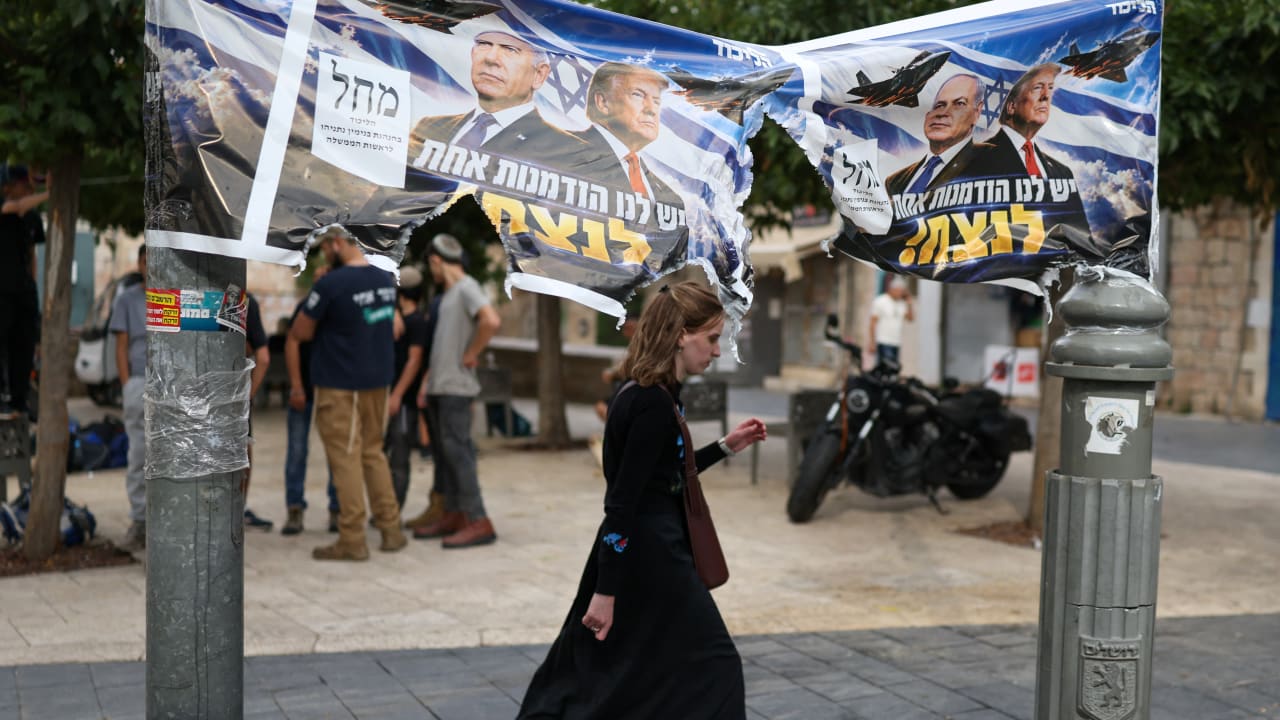
NOVEMBER 4, 2026 05:58US President Donald Trump’s announcement on Tuesday that Washington would end nearly $4 billion in annual military assistance to Israel by December 2026 has raised serious questions about the future of the bilateral relationship, particularly following Prime Minister Benjamin Netanyahu’s election campaign, centered on his close partnership with the American president.Trump’s announcement came on the morning of the American midterm elections, just one week after Israelis went to the polls following a campaign in which Netanyahu repeatedly emphasized the strategic opportunities afforded by his relationship with the US president.According to Trump, the two leaders reached an agreement months ago to terminate the assistance, despite the existing arrangement running through 2028. He went further, claiming Netanyahu himself had proposed the change.Netanyahu has publicly advocated gradually eliminating American military assistance over the next decade. His argument that Israel should eventually become financially independent of Washington is reasonable and deserves serious consideration. A stronger Israeli economy and greater defense autonomy would serve the country’s long-term interests.But an orderly, decade-long transition is considerably different from terminating billions of dollars in assistance within weeks.US PRESIDENT Donald Trump and Prime Minister Benjamin Netanyahu at the White House. Israel has a 28-month window before Trump leaves office to entrench the processes now underway in Iran, Gaza, and Lebanon, according to assessments heard at the MEAD conference in Washington. (credit: Alex Wong/Getty Images)The existing agreement provides $3.8 billion annually, including $3.3 billion in military financing and $500 million for cooperative missile-defense programs. Any accelerated withdrawal raises immediate questions about defense procurement, budgetary planning, and the sustainability of critical security capabilities.Netanyahu presented close US-Israel ties during campaignDuring the campaign, Netanyahu presented his partnership with Trump as an exceptional opportunity to complete Israel’s objectives against Iran. Both leaders spoke publicly about unfinished business, with Netanyahu suggesting that their cooperation offered a window for decisive strategic achievements.Trump reinforced that message by endorsing Netanyahu and urging Israelis to return him to office so the two could finish their work.Voters were consequently presented with a picture of unusually close coordination between Jerusalem and Washington, particularly concerning the Iranian threat.Now, Trump’s remarks suggest that behind the scenes, the same leaders have been negotiating a major reduction in American financial commitments to Israeli security.Both developments can coexist. Strong diplomatic and military cooperation does not necessarily require permanent American subsidies. Indeed, a carefully negotiated transition toward greater Israeli independence could ultimately strengthen the alliance.But Israelis deserve to know whether such a transition has actually been agreed upon, what its terms are, and why its purported timetable differs so dramatically from what Netanyahu previously described.Americans deserve similar answers.Trump explicitly connected his announcement to domestic political considerations, arguing that eliminating assistance would deprive Democrats of an effective argument against Republican candidates, particularly in Michigan.Decisions affecting Israel’s security and billions in American commitments should be explained through their strategic and financial implications, not merely their usefulness in neutralizing an electoral argument.Israel’s government has yet to be formed following last week’s election, making the need for answers particularly urgent. Before any party leader receives the mandate to assemble a coalition, Israelis should understand what commitments their next government may inherit, and whether the prime minister who seeks to lead it has already agreed to a fundamental change in the country’s defense financing.The implications also extend to coalition negotiations. Parties considering joining a Netanyahu-led government should know whether they will be expected to support an accelerated end to American assistance and how the resulting financial burden would be addressed in future state budgets.None of this necessarily indicates a deterioration in relations between Trump and Netanyahu. The president has reiterated his support for Israel and emphasized that the country would remain free to purchase American weapons.Netanyahu, Trump should provide clear account of deal The Jerusalem Post calls on Netanyahu and Trump to provide a clear, coordinated account of what was agreed, when it was agreed, and how it would affect Israel’s security.Elections are precisely when voters should be able to evaluate the strategic decisions their leaders are making. Israelis should not discover potentially consequential understandings with Washington only after casting their ballots. Americans should not learn of substantial changes to foreign assistance on election morning through an interview lacking basic implementation details.The US-Israel partnership has endured because it rests on shared interests, institutions, and sustained cooperation extending beyond individual administrations.Preserving that partnership requires public confidence in the decisions made in its name.Both electorates were entitled to clarity before voting. They should receive it now.Follow us on Google
US-Israel ties deserve transparency before elections, not after - editorial
Full Article
Original Source
Read the full article at Jpost →KhanList aggregates and links to publicly available news content. We do not host full articles from third-party sources. Always verify important information with original sources.