
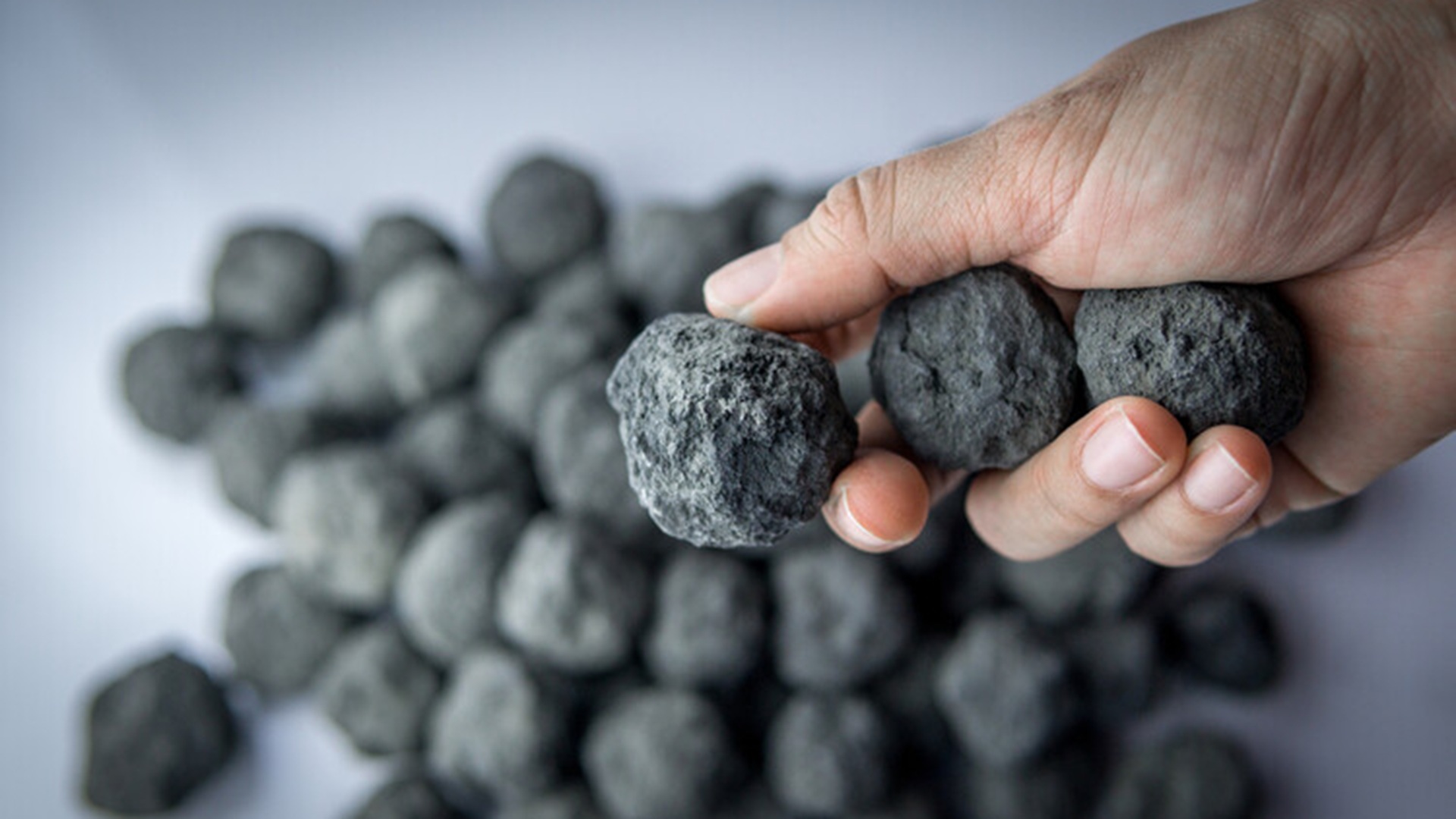
Researchers in the US have developed a new electric plasma heating method that could significantly speed up the production of cement and at the same time slash its reliance on fossil fuels. The technique was developed by Qi Zheng, PhD, and Yi Cui, PhD, from Stanford University, along with Paulo Monteiro, PhD, a civil engineering researcher at UC Berkeley. It uses plasma heated above 4,352 degrees Fahrenheit (2,400 degrees Celsius) to directly heat the raw materials used to make cement. In proof-of-concept tests, the intense heat turned the raw materials into cement clinker within seconds, nearly 100 times faster than standard production. Clinker is a dark gray, pebble-sized material made by heating limestone and clay in a kiln to about 2,642 degrees Fahrenheit (1,450 degrees Celsius). The team believes that the approach could reduce wasted heat and also eliminate emissions associated with burning fossil fuels in cement kilns. “There are also lots of intermediate steps leading to a lot of waste heat,” Zheng said. Electric cement production Cement is the world’s second-most consumed material after water, averaging one cubic meter per person each year. Still, it is also the source of about eight percent of the world’s carbon dioxide (CO2) emissions. Despite that footprint, the basic cement-making process has changed relatively little since the material was invented in 1824. Conventional production involves heating limestone, clay and other materials to temperatures up to 2,552 degrees Fahrenheit (1,400 degrees Celsius). The process produces pebble-sized lumps called clinker, which are then ground into cement powder. Part of the industry’s emissions comes from the fossil fuels burned to generate the enormous amount of heat required inside cement kilns. To mitigate emissions, the research team turned to electricity figured out a system that swaps fossil fuel-fired kiln heating with plasma, which is produced by passing electricity through ionized gas. According to the team, temperatures above 4,352 degrees Fahrenheit accelerate clinker formation enough to complete the process within seconds. The faster process reduces energy which is lost as waste heat. Traditional cement production typically runs at only 30 to 40 percent thermal efficiency. Meanwhile, in the team’s experiments, nearly 80 percent of the heat generated by the plasma was directed into cement production. Cement made faster The research also showed that the low-carbon cement had mechanical properties including durability and workability. Once the team examined the material with an electron microscope, they found nanoscale defects from the plasma process. These defects dissolved quickly when exposed to water. They additionally helped the cement set faster. As per the team, the novel technology could also support a more circular cement industry. Recycled cement waste can be fed into the plasma process as a raw material, and potentially cut both waste and carbon emissions. Furthermore, if the electricity for the plasma comes from renewable sources, the heating process itself could operate without emissions. The scientists now plan to collaborate with cement industry stakeholders to determine if the technology can be scaled for mass production. “[It needs to be tested] whether the new technology is robust enough to deal with all kinds of waste, or if we need to screen a little bit before we feed the material into the machinery,” Zhang concluded in a statement. The findings were presented at ACS Fall 2026, the American Chemical Society’s fall meeting held in Chicago from August 23 to 27.Get the latest in engineering, tech, space & science - delivered daily to your inbox.Based in Skopje, North Macedonia. Her work has appeared in Daily Mail, Mirror, Daily Star, Yahoo, NationalWorld, Newsweek, Press Gazette and others. She covers stories on batteries, wind energy, sustainable shipping and new discoveries. When she's not chasing the next big science story, she's traveling, exploring new cultures, or enjoying good food with even better wine.
US harnesses 4,352°F plasma to make cement 100x faster without fossil fuels
Full Article
Original Source
Read the full article at Interestingengineering →KhanList aggregates and links to publicly available news content. We do not host full articles from third-party sources. Always verify important information with original sources.