
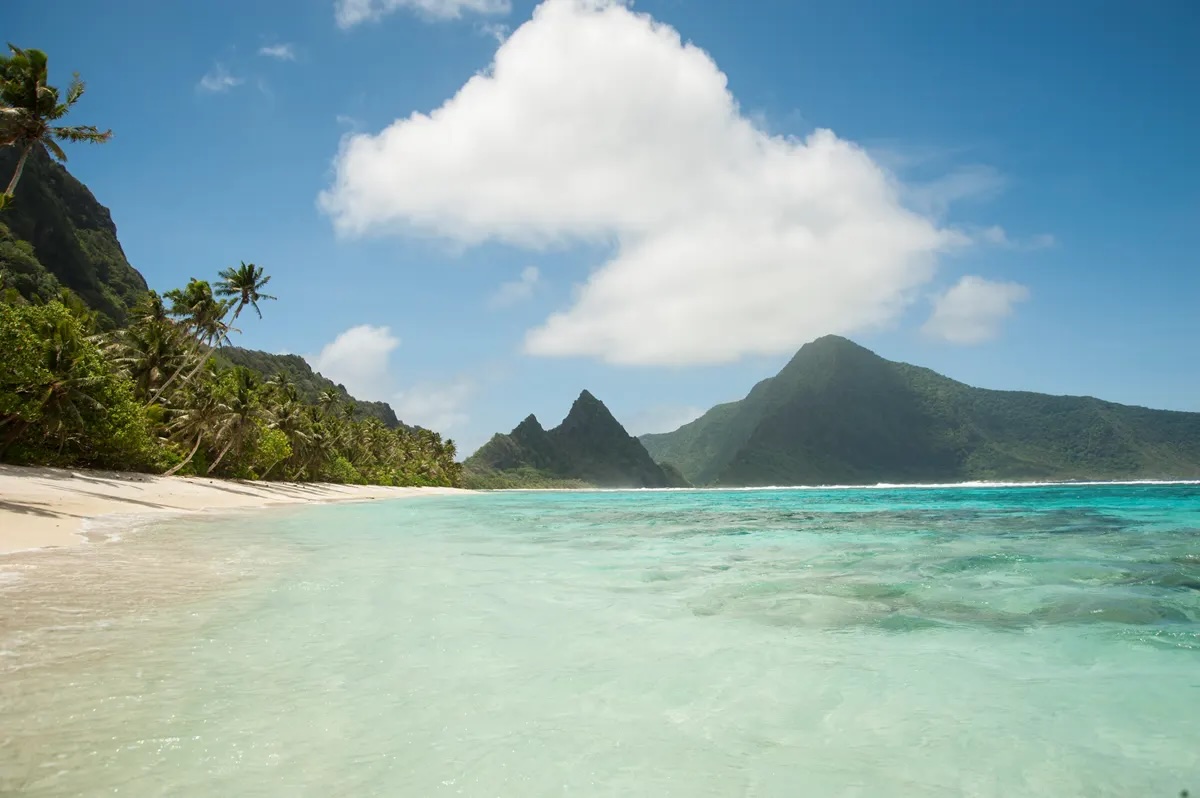
On Nov. 19, the U.S. Senate passed a bill that aims to speed up permitting for energy infrastructure projects. The 62-33 vote on the Bipartisan American Affordability and Jobs Act (BAAJA) included support from pro-environment Democratic senators like Sheldon Whitehouse from Rhode Island. The legislation would ease development for renewable energy and transmission lines, but environmental organizations warn it will also fast-track fossil fuels by undermining environmental regulations. “A technology-neutral fast track in the hands of an administration openly hostile to clean energy is not a bargain. It is a one-way ratchet for fossil fuels,” Brad Campbell, CEO of the Conservation Law Foundation, said in a statement. Currently, new U.S. infrastructure projects must comply with bedrock environmental laws including the Clean Water Act, Endangered Species Act, and National Environmental Policy Act (NEPA). If BAAJA becomes law, those environmental hurdles will become easier to clear. Fewer projects would require NEPA review, the time frame for environmental assessments would be shorter, and the window to sue over approved projects would shrink. Consultation on potential impacts to endangered species would also be shortened. Proponents of the bill say those changes would ease renewable energy development and lower U.S. carbon emissions. “BAAJA is a big step forward in our fight against climate change,” Whitehouse, who co-sponsored the bill, wrote on social media. “The bill lowers emissions by 1.5 gigatons through 2040.” However, the weakened environmental review would also apply to fossil fuel projects and data centers. In an open letter, more than 120 scientists urged the House of Representatives to reject the bill. On land, BAAJA could lower barriers for oil, gas and mining projects on public and tribal lands. Several Native American organizations have condemned the bill. At sea, BAAJA would “roll back ocean and wildlife protections, opening the door to more offshore oil and gas drilling, more pollution, and greater threats to marine life,” U.S.-based NGO Oceana said in a statement. Section 1401 of the bill, also known as the “project certainty” provision, would bar agencies from making changes to permits once they’ve been granted. “Once issued, these approvals would be nearly impossible to revisit in the future, even if they were expedited, legally flawed, or if new science uncovers serious harm,” Oceana said in a statement. Sabrina Suluai-Mahuka, founder of Finafinau, an environmental NGO based in American Samoa, told Mongabay by email that she welcomes economic development but not at the cost of jeopardizing American Samoa’s existing ocean-based economy. The U.S’s first-ever offshore critical mineral lease sale took place off America Samoa on Nov. 19, the same day BAAJA cleared the Senate. “If progress requires weakening environmental protections, diminishing Indigenous voices, and asking communities with limited political power to shoulder disproportionate risks, then perhaps we need to reconsider our definition of progress,” she said. The House of Representatives is expected to vote on the legislation next week. Banner image: A beach in American Samoa. Image courtesy of Eymard Bangcoro via National Park Service. Credits Topics
US bill to speed up clean energy projects could also fast-track fossil fuels
Full Article
Original Source
Read the full article at News →KhanList aggregates and links to publicly available news content. We do not host full articles from third-party sources. Always verify important information with original sources.