
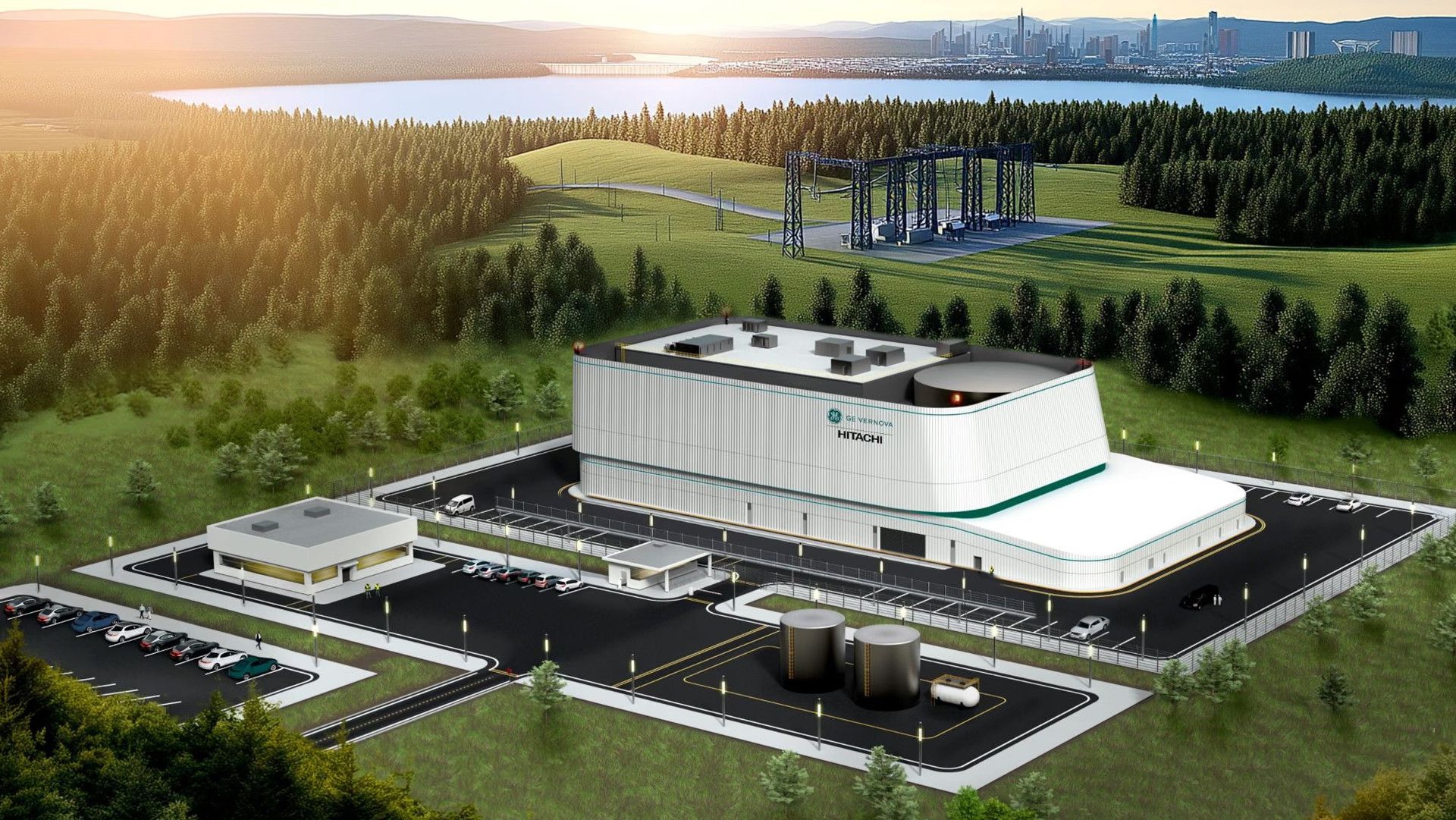
US regulators approved TVA's first BWRX-300 construction project after 14 monthsThe 300MW reactor still needs another license before generating electricity commerciallyTVA could eventually build four BWRX-300 reactors at Clinch RiverThe United States has approved construction of a 300MW small modular reactor as electricity demand from artificial intelligence infrastructure continues rising.The decision gives Tennessee Valley Authority (TVA) the authorization to construct GE Vernova Hitachi's BWRX-300 reactor at its Clinch River site.The same reactor technology is also gaining attention in Britain, where investors are proposing a large deployment across multiple locations.BWRX-300 gets regulatory approval in AmericaThe US Nuclear Regulatory Commission completed its assessment in 14 months, allowing TVA to proceed with construction at Clinch River.However, the utility still requires another license before loading nuclear fuel or beginning electricity generation from the approved reactor unit.TVA is considering as many as four BWRX-300 units at the Tennessee location, although construction timing remains undecided.The reactor uses boiling-water technology, with natural circulation helping to move coolant without depending entirely on powered pumping equipment.Sign up to the TechRadar Pro newsletter to get all the top news, opinion, features and guidance your business needs to succeed!Its safety design also uses gravity, pressure and stored water to protect certain operating conditions without external power.At 300MW, each reactor would generate roughly one-quarter of the capacity provided by newer reactors operating at Georgia's Vogtle facility.“This construction permit is more than a regulatory achievement — it's foundational for America's nuclear future,” said Mike Skaggs, TVA's interim president.The approval comes as utilities seek dependable electricity sources capable of operating continuously while AI facilities increase demand across power networks.Nuclear generation can provide steady output without depending upon weather conditions, although construction costs and lengthy development periods remain major concerns.The BWRX-300 is intended to address some construction difficulties through simpler architecture, fewer components and greater use of manufactured equipment.Britain and Canada could pursue the same reactor technologyThe BWRX-300 is not limited to the US project, with SGE proposing as many as 14 of the reactors across three UK sites under the country's advanced nuclear policy.Britain's government introduced its Advanced Nuclear Framework earlier this year to support privately financed nuclear developments and strengthen future electricity supply.SGE’s plan could require approximately £35 billion, equivalent to about $46.5 billion, if the entire proposed programme proceeds.Canada is also preparing to deploy the same reactor design, with Ontario Power Generation developing its first unit and preparing its construction programme.In Texas, Blue Energy has applied for permission to develop BWRX-300 reactors intended to supply electricity directly to data center facilities.The repeated use of one design is expected by developers to improve procurement, manufacturing and construction efficiency across multiple projects.That expectation remains unproven in America, where recent large nuclear developments have experienced substantial delays and costs exceeding initial estimates.TVA's project will therefore provide another test of whether smaller standardized reactors can satisfy large electricity users without repeating those construction difficulties.Via Techspot Follow TechRadar on Google News and add us as a preferred source to get our expert news, reviews, and opinion in your feeds.
US approves first data center-specific small nuclear reactor — the BWRX-300 may be covering not just the UK, but America too
Full Article
Original Source
Read the full article at Techradar →KhanList aggregates and links to publicly available news content. We do not host full articles from third-party sources. Always verify important information with original sources.