
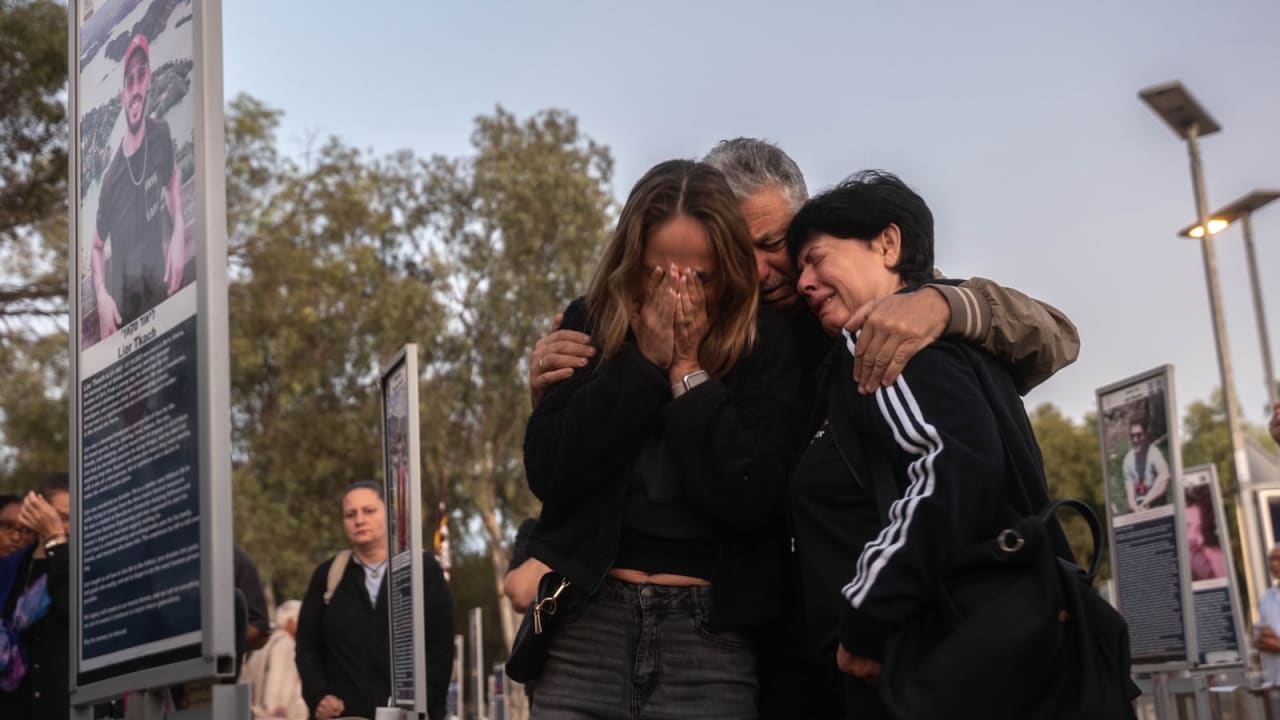
OCTOBER 14, 2026 05:35One in five Israeli have not yet returned to normal function since October 7, with young women showing the highest rates of persistent psychological distress, a study from Clalit Health Services' Research Institute and the Myers JDC Brookdale Institute found.Among participants who had initially reported significant symptoms of anxiety, depression, or post-traumatic stress disorder (PTSD) over 60% continue to experience signifcant distress.Three years on from the October 7 massacre approximately 20% of the population reported a severe impairment in daily functioning due to their mental health, the latest National Mental Health Barometer survey found out.The National Mental Health Barometer is an ongoing survey based on a representative sample of Israel general population. It found that although the majority of the country is recovering, a significant group continue to experience distress.Unprecedentedly high levels of exposure to significant trauma post October 7The findings show an unprecedented level of exposure to significant trauma compared to international standards, with around 15% of all respondents describing themselves as having experienced the highest level of exposure, meaning that they were either personally present during the attacks or had a close relationship to someone who was injured, taken hostage, or killed either on October 7 or during the subsequent fighting.Prof. Ran Balicer, Deputy Director General and Head of the Innovation Division at Clalit Health Services. (credit: CLALIT HEALTH SERVICES)In contrast, following the September 11 attacks in the US approximately 4% of the population experienced the highest level of trauma.The study also found direct links between exposure to distrubing content through media and videos, and reports of PTSD, depression, and anxiety. Researchers noted that "the study cannot establish that this relationship is causal," however they nonetheless emphasized recommendations to avoid unnecessary exposure to disturbing media when possible."The data once again demonstrate just how unprecedented October 7 was globally in terms of the scale of the population’s exposure to trauma, both directly and indirectly through exposure to disturbing videos and media content," Prof. Ran Balicer, Deputy Director General and Head of the Innovation Division at Clalit Health Services said.Women reported higher levels of impairmentYoung women aged 18-35 reported the highest rate of continued impairment at 32%. The rate fell to 26% among women over 35, and just 19% among men of all ages.Woman under 35 also have the highest rates of exceeding the clinical threshold for symptoms of PTSD, depression, or anxiety.More than 60% of participants who displayed significant PTSD symptoms shortly after the October 7 attacks continue reporting significant symptoms, which is suggestive of a group experiencing chronic suffering long after exposure to the events."One of the issues of particular concern is the impact on the social dimension of people’s lives. People are reducing their leisure activities, struggling to maintain close relationships and in some cases becoming more isolated, precisely when family, friends, routine and activity are among the key sources of support they themselves identify as helping them cope," Hadar Samuel, a researcher on the Health Policy team at the Myers JDC Brookdale Institute said.Desire to attend, availability of mental health services don't matchAdditionally, around 33% of the population feel a need to seek mental health treatment, although only half of those people actually sought out treatment. Those who did not seek treatment said either that the wanted to cope on their own, or explained that they weren't interested in the mental health treatment offered by Israel's healthcare system."We have much work ahead to continue expanding mental health services, remove barriers to access and make proactive and diverse treatment more accessible, tailored specifically to groups at risk," Balicer explained.Samuel said, “As we expected, most of the population is recovering. Alongside this, there is a substantial core of people who continue to struggle and fight, and it is therefore important to continue supporting them through existing approaches while also diversifying and offering new ways of coping."“The study also shows that as the follow up progressed, family and community support networks were significantly associated with people’s ability to cope.""This finding underscores that the response to the mental health consequences of the war cannot rely solely on the mental health system," Samuel explained."Family, community and social connections are an integral part of the resilience infrastructure. Alongside expanding treatment services, strengthening these networks may be an important component of helping the public cope with the consequences of the war.”Follow us on Google
Unprecedented levels of trauma: One in five Israelis haven't regained function post Oct. 7 - study
Full Article
Original Source
Read the full article at Jpost →KhanList aggregates and links to publicly available news content. We do not host full articles from third-party sources. Always verify important information with original sources.