
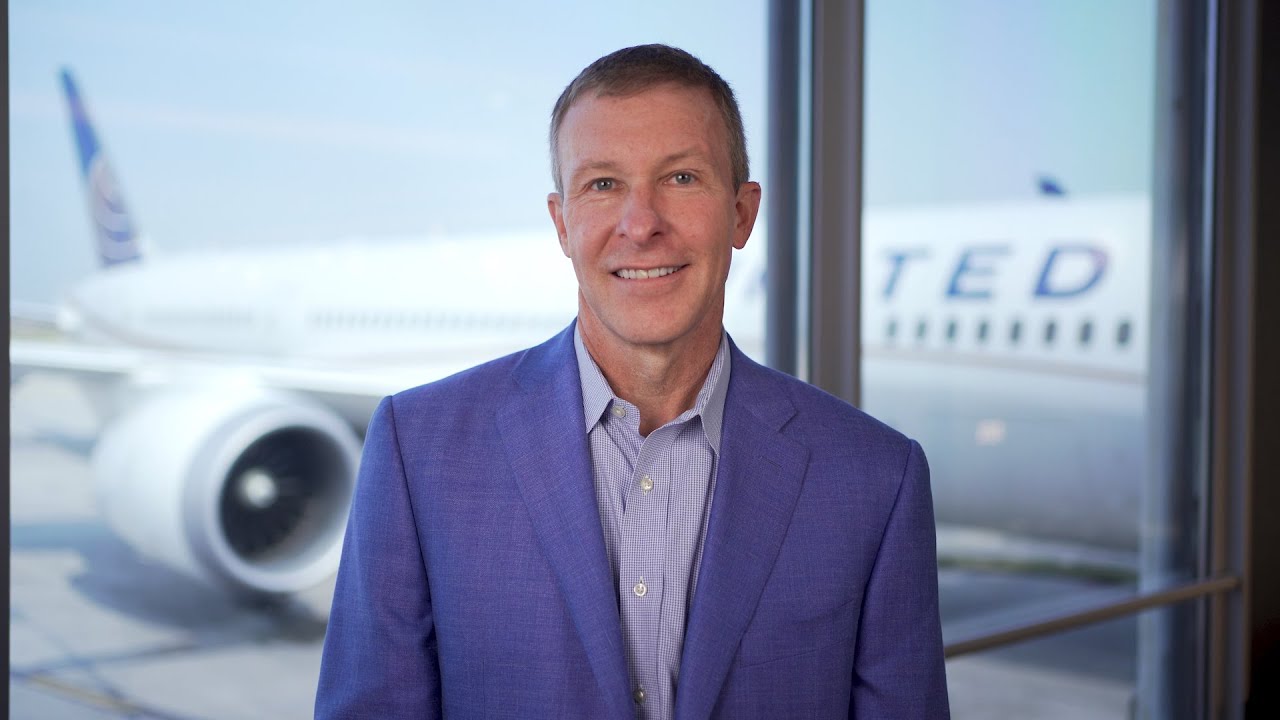
United Airlines CEO Scott Kirby wants the government to subsidize sustainable aviation fuel the way it supported solar power. His argument is that taxpayers can help build an industry, production costs will fall, and eventually the subsidies won’t be necessary. Skift highlights his comments in an interview with Colorado Public Radio’s Ryan Warner: “Once you drive down the cost curve, you don’t have to have those incentives, but the incentives built the industry and we have to do the same thing for sustainable aviation fuel. It’s the only way it’s going to work.” Kirby argues there’s a future market for the corn, soybeans and infrastructure currently supplying road biofuels. As cars and trucks electrify, he says, aviation can become the customer for production that would otherwise lose its market. I’ve written about Kirby’s changing relationship with Washington, from supporting Biden-era initiatives in ‘Woke 1’ to praising President Trump’s tariffs and appearing alongside Vice President Vance to blame Democrats for the government shutdown last fall. The subsidy pitch, though, harkens back to the earlier Biden era. Kirby made the same solar-and-wind argument on “Face the Nation” in September 2021. In the Colorado Public Radio interview, he describes the political coalition: climate concerns on the left, agricultural markets on the right. (The ‘right’ has become far more nationalist, this isn’t the free market party any longer.) He also says he worked on the Biden’s Inflation Reduction Act and remains proud of that legislation. He’s making a pitch to both parties, but even that’s a pivot from the first two years of the Trump administration. Guided by political consigliere and ex-Obama Press Secretary Josh Earnest, perhaps he’s positioning for likely Democratic control of Congress after the midterms. United also has money invested in the industry. Its latest quarterly filing reports a 33% ownership interest in the United Airlines Ventures Sustainable Flight Fund, which backs aviation decarbonization technologies, including sustainable fuel. Subsidies for those policies don’t just help United meet climate targets on someone else’s dime, they improve the return on those investments. Nonetheless, Sustainable Aviation Fuel is an infinitesimally tiny segment of the market. The International Air Transport Association expects sustainable fuel to supply 0.8% of global aviation fuel consumption in 2026. Its roadmap assigns the fuel roughly 65% of the emissions reductions needed for the industry’s 2050 goal but virtually nobody believes that. Fuel subsidized emissions reductions are absurdly modeling California’s proposed fuel credit at $997–$2,768 per additional metric ton of carbon dioxide avoided. Sustainable fuel in aviation pushes fossil fuel elsewhere The same analysis finds that refiners shift production and fossil diesel winds up being used more commonly elsewhere. Crop-based fuel brings environmental harms Expanding demand can change what farmers grow and where land gets cleared. Resources for the Future’s biofuel assessment argues this creates land use problems. Three’s no reason to believe biofuels follow Solar’s cost trajectory. There’s just no evidence of comparable cost declines in biofuels. Feedstocks by the way remain a recurring expense, even after a refinery has been built. Synthetic fuel requires significant electricity. A 2025 technical assessment finds electricity prices central to whether this can ever compete. Subsidies increase production, fuel use, and energy costs. Other approaches seem far more sound. Contrail avoidance changes how existing aircraft fly. I’ve covered the effort to identify and avoid conditions that produce warming contrails. A randomized trial reported this year found 11.6% fewer contrails across the intervention group, with no statistically significant difference in fuel use. Flights that followed the avoidance plan showed a larger reduction. Permanent carbon removal addresses that accumulated carbon. I covered United’s interest in direct air capture back in 2020. Capturing carbon and storing it underground avoids the additional steps needed to turn it into fuel. The 2025 study finds that capture-and-storage can cost less than synthetic fuel. Operational improvements reduce fuel consumption. More efficient routing, departure sequencing and flight profiles can reduce emissions while saving airlines fuel. NASA’s flight and airport demonstrations document these mechanisms using existing aircraft. Moving to a Single European Sky would make a real difference in the environmental impact of air travel. European government dysfunction forces air traffic control to require airlines to burn about 10% more fuel than necessary. Airlines push sustainable aviation fuel because it easily fits their existing business. There’s no real change to infrastructure needed. Subsidies shifts costs away from airlines and passengers. And it makes the promise of environmental progress conditional on other industries delivering. And airlines can maintain ambitious targets while blaming governments for inadequate incentives and fuel companies for inadequate production. But it’s not clearly a sound approach. Topics on this page
United CEO Scott Kirby Wants Taxpayers To Fund Green Jet Fuel—As He Returns To Biden-Era ‘Woke One’
Full Article
Original Source
Read the full article at Viewfromthewing →KhanList aggregates and links to publicly available news content. We do not host full articles from third-party sources. Always verify important information with original sources.