
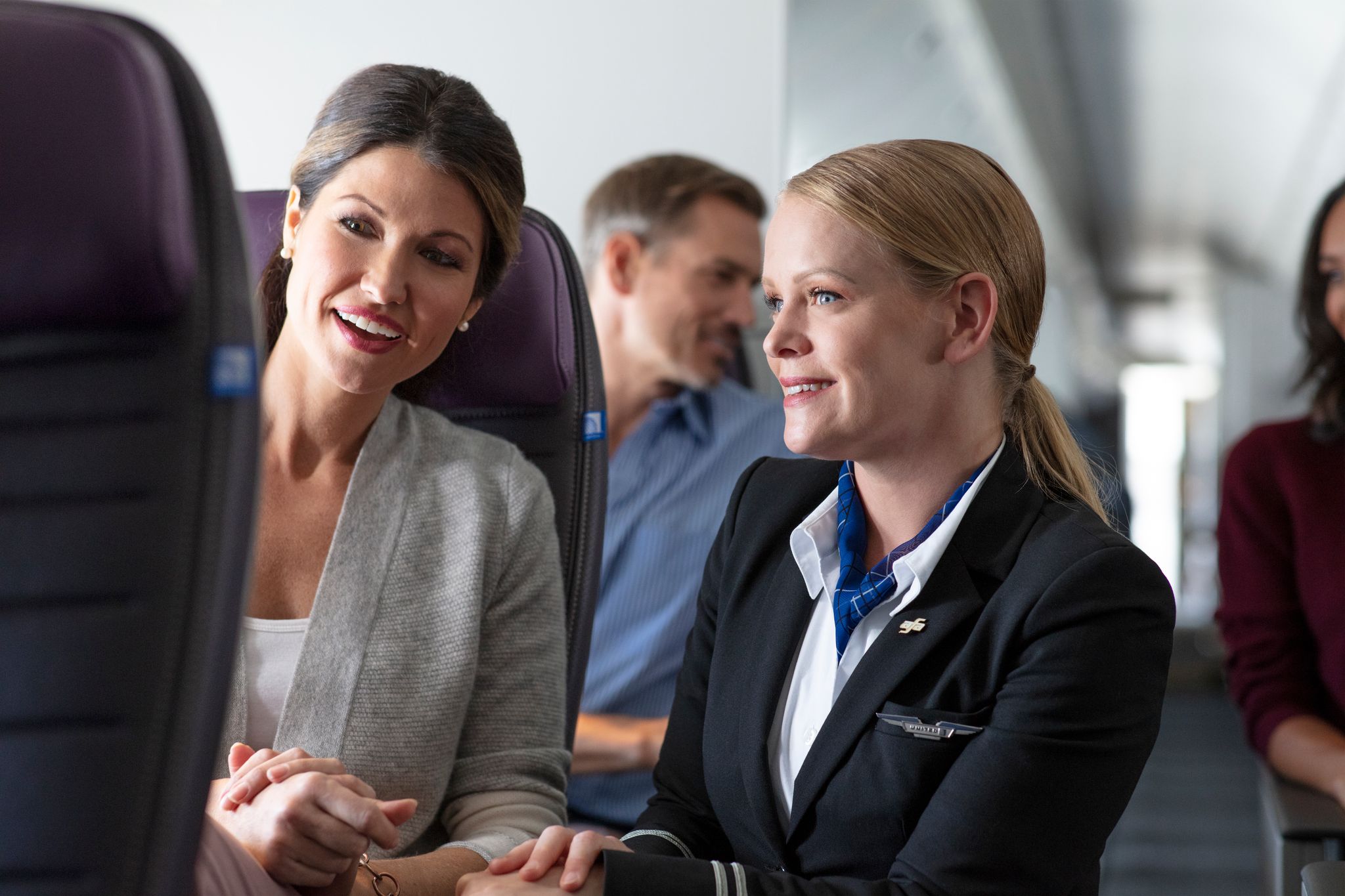
United Airlines is reminding employees that “If you are too sick to work, you are too sick for leisure travel.” Its flight attendant union says cabin crew can still use their travel benefits while on sick leave, and they don’t need a manager’s permission first. The airline wants to stop the opportunity to vacation from creating problems staffing flights. Flight attendants who are actually sick probably shouldn’t be exposing colleagues and passengers to their illness. But the union says there’s a long-standing precedent that this is ok. The union actually has a good contractual case against a blanket ban on travel while out sick, but that doesn’t give flight attendants permission to call in sick so they can travel and United can investigate whether that’s happened. The latest warning appeared recently on United’s Flying Together employee website. According to the union’s response, the company was announcing a change to its rules about canceling confirmed tickets before traveling standby and included an admonition not to travel while sick. The Association of Flight Attendants says there’s a longstanding understanding with the airline’s Labor Relations that exempts flight attendants from the general prohibition on flying sick and from the requirement to get advance approval to do so. The article also provides a policy reminder as it relates to pass travel. Specifically: “If you are too sick to work, you are too sick for leisure travel.” As a reminder, we have a long-held understanding with Labor Relations that this policy does not apply to Flight Attendants. Employees who travel while taking sick time need to be able to establish that: their illness was genuine the sick call wasn’t made to facilitate the trip their travel and activities didn’t interfere with recovery. In October 2019, mandatory United training laid out these questions. The union told members: There is no disagreement between Labor Relations and the Union on how travel while on sick leave works. They said United’s Inflight division was administering the policy consistently with their understanding. Permission wasn’t required, though misuse could lead to discipline. Then in August 2021, the union documented its understanding with Labor Relations that “Flight Attendants are permitted to travel and there is no requirement to obtain prior approval to do so.” The 2026–2031 flight attendant agreement preserves management authority excerpt where it’s expressly limited, and travel benefits are provided in the contract comparable to other nonmanagement employee groups. In requriing notification of travel policy changes, it contemplates there being policy changes. Indeed, Section 29.J includes pass travel among companywide programs that can be changed – though any reductions must be companywide. And just because someone is traveling, doesn’t mean they could have fulfilled their work as a flight attendant. An employee could have an injury that prevents them from performing cabin duties without making every personal travels impossible, though United can still demand substantiation when circumstances suggest abuse of sick time and nonrev benefits. I covered United’s scrutiny of sick calls earlier this year. The union’s February warning said the airline was comparing sick leave with requests for time off and attempts to drop trips. Someone who couldn’t get a day off and then calls in sick raises questions about the veracity of their illness. One odd wrinkle in all of this is that United says a flight attendant would need permission to travel while out sick, the union disagrees, but the union also says that if a flight attendant does ask and their supervisor says no, that the crewmember must obey. Once they actually ask, traveling after being told not to is a completely different matter. (HT: Paddle Your Own Kanoo) Topics on this page
United Airlines Warns Flight Attendants “Too Sick To Work” Means Too Sick To Vacation—Union Disagrees
Full Article
Original Source
Read the full article at Viewfromthewing →KhanList aggregates and links to publicly available news content. We do not host full articles from third-party sources. Always verify important information with original sources.