
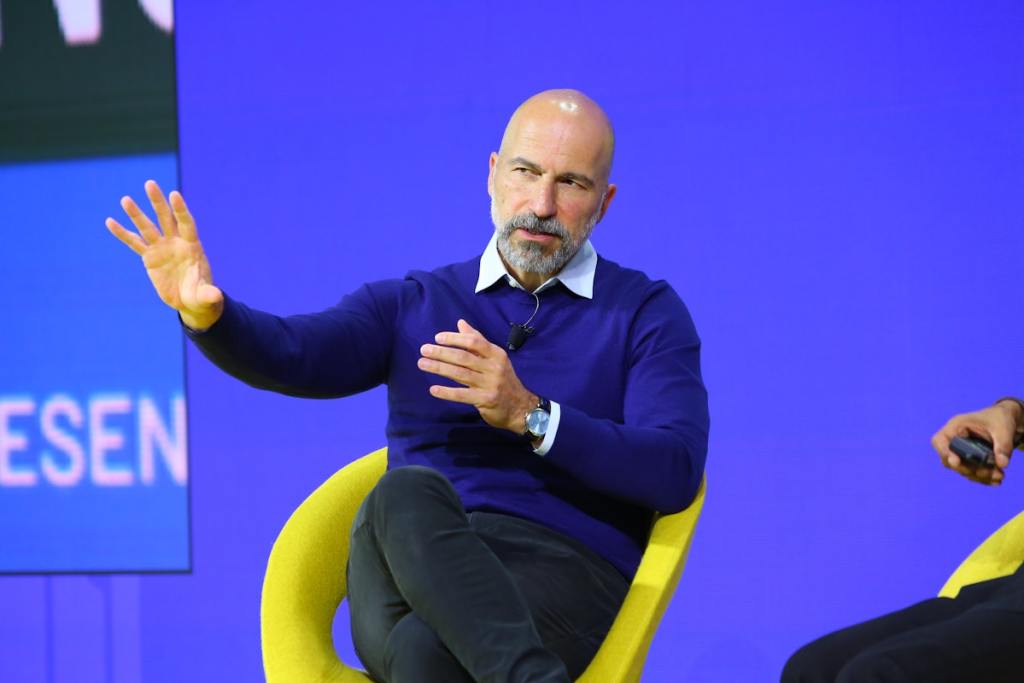
The Decision Brief Dara Khosrowshahi, CEO, Uber Moderated by Rafat Ali, Skift THE VERDICT Every travel company that controls its own inventory is facing the same decision: let AI agents book it, or keep customers in the direct channel. Khosrowshahi said Uber is in “active discussions with… basically every other agentic company.” However, he notes that it’s “on the right terms,” using inventory agents cannot get anywhere else as leverage: 10.5 million drivers and couriers across more than 70 countries. “No agentic company is going to replicate that content,” Khosrowshahi said. The lesson for any travel brand: if agents need your rooms, your seats, or your fleet to serve travelers, you can set the terms. PATHS FORWARD Negotiate with agents based on what they can’t replicate. Khosrowshahi said agents can have “one conversation with us” and “secure content globally” for both mobility and delivery. When agents can’t assemble inventory on their own — hotel rooms, airline seats, fleet, routes — the supplier has leverage at the negotiating table. Build a loyalty base large enough to generate its own demand. Khosrowshahi said 80% of Uber’s hotel bookings come from UberOne members. “I’m not a prisoner to Google like I used to be in terms of traffic,” he said. A membership program that brings customers back on its own reduces dependence on any discovery channel — Google, OTAs, or agents. Design AI operations for what AI does well. Khosrowshahi said Uber’s early approach — making AI follow the same scripts human agents used — was limiting. By giving AI a goal and a budget, he found better results. He said allowing AI to reason on those goals produced better outcomes at a lower cost. Travel companies mapping AI onto existing call-center scripts are making the same mistake Uber already moved past. WHAT TO WATCH Commercial terms between platforms and AI agents are still undefined. How revenue share, data access, and quality standards get settled will determine who pays what to reach the traveler across every booking channel in the industry. When it comes to vertical expansion, Khosrowshahi said flights “may or may not come” and that Uber needs to prove hotels work first. His advice for any company expanding into adjacent businesses: “Get signal as to what’s working, and with things that aren’t working, kill it.” Every platform that stretches beyond its core faces the same question: how many things to launch at once. Access all the Skift Takeaways from this event, as well as full session videos, presentation documents, and more editorial coverage at our Skift Global Forum attendees hub.
Uber: Owning More of the Travel Journey
Full Article
Original Source
Read the full article at Skift →KhanList aggregates and links to publicly available news content. We do not host full articles from third-party sources. Always verify important information with original sources.