
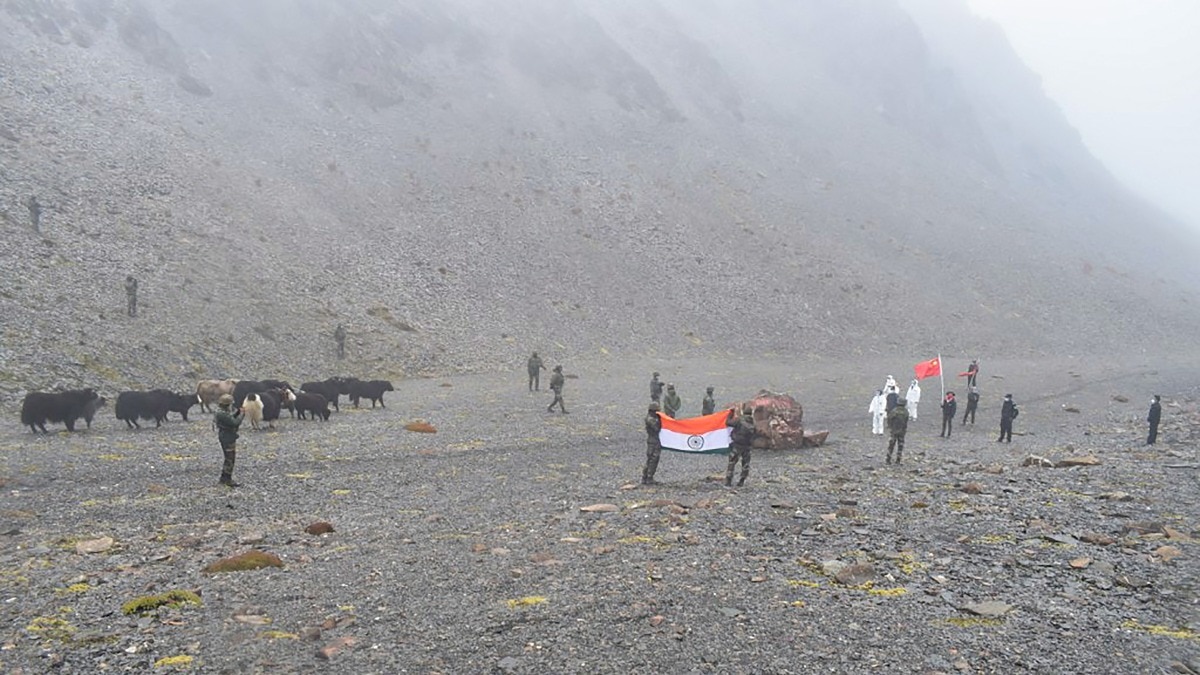
The border pockets of Asaphila and Longju in Arunachal Pradesh remain sensitive due to differing perceptions of the Line of Actual Control (LAC) between India and China, but the overall situation on the ground is stable and under control, defence sources told India Today.Located within the Taksing Circle of Arunachal Pradesh, the two areas experience periodic friction as Indian and Chinese patrols encounter each other during routine operations. Such encounters have become a recurring feature of the security environment in these sectors, according to the sources.However, there have been no reports of violent clashes between military personnel from the two sides, the sources said, adding that ground commanders are maintaining restraint and operational control.MILITARY MECHANISMS USED TO MANAGE FACE-OFFSAccording to the sources, local face-offs are being managed through established military-to-military mechanisms, including flag meetings and hotline communications. These channels are intended to address localised tensions and prevent encounters from escalating. The sources also highlighted a Corps Commander-level interaction conducted in the Northeast, describing it as a significant step towards institutionalising high-level dialogue in the region.Officials said sustained engagement between the two sides remains important for maintaining peace along the border, particularly in sectors where their perceptions of the LAC differ. They also noted that operational tensions in disputed areas can increase the need for diplomatic engagement and negotiations to address outstanding boundary issues.INFRASTRUCTURE DEVELOPMENT IN REMOTE BORDER AREASThe continued presence of security forces in remote frontier areas has coincided with efforts to improve infrastructure and connectivity, the sources said.Development initiatives include all-weather roads, bridges, telecommunications networks and civic amenities intended to benefit both security personnel and local residents.Improved connectivity is also expected to support economic activity and create opportunities for greater self-reliance among communities living in remote border villages.Officials said better infrastructure could eventually facilitate controlled border trade and increased people-to-people contact, subject to prevailing security and diplomatic conditions.CULTURAL LINKS AND CIVIL-MILITARY COOPERATIONThe region also has cultural and religious significance, including the historic Tsari pilgrimage circuit, which is sacred to Buddhist communities on both sides of the border.According to the sources, sustained stability could create opportunities to explore cross-border pilgrimage access in the future. Any such arrangements would depend on security conditions and agreement between the two countries.The sources further said the presence of the armed forces in frontier areas has supported civil-military initiatives, including healthcare camps, emergency evacuations, school construction and employment opportunities for local residents.These initiatives are intended to improve access to essential services and strengthen engagement between security personnel and communities in remote tribal areas."While Asaphila and Longju remain sensitive due to differing LAC perceptions, the overall situation is fully under control," a source said, adding that military and diplomatic mechanisms, alongside border-area development, remain important to maintaining stability.The situation in the two pockets continues to be monitored amid the broader effort to manage India-China border differences through established communication channels and sustained engagement.- Ends
Two sectors in Arunachal's Taksing remain sensitive, no clashes reported: Sources
Full Article
Original Source
Read the full article at Indiatoday →KhanList aggregates and links to publicly available news content. We do not host full articles from third-party sources. Always verify important information with original sources.