
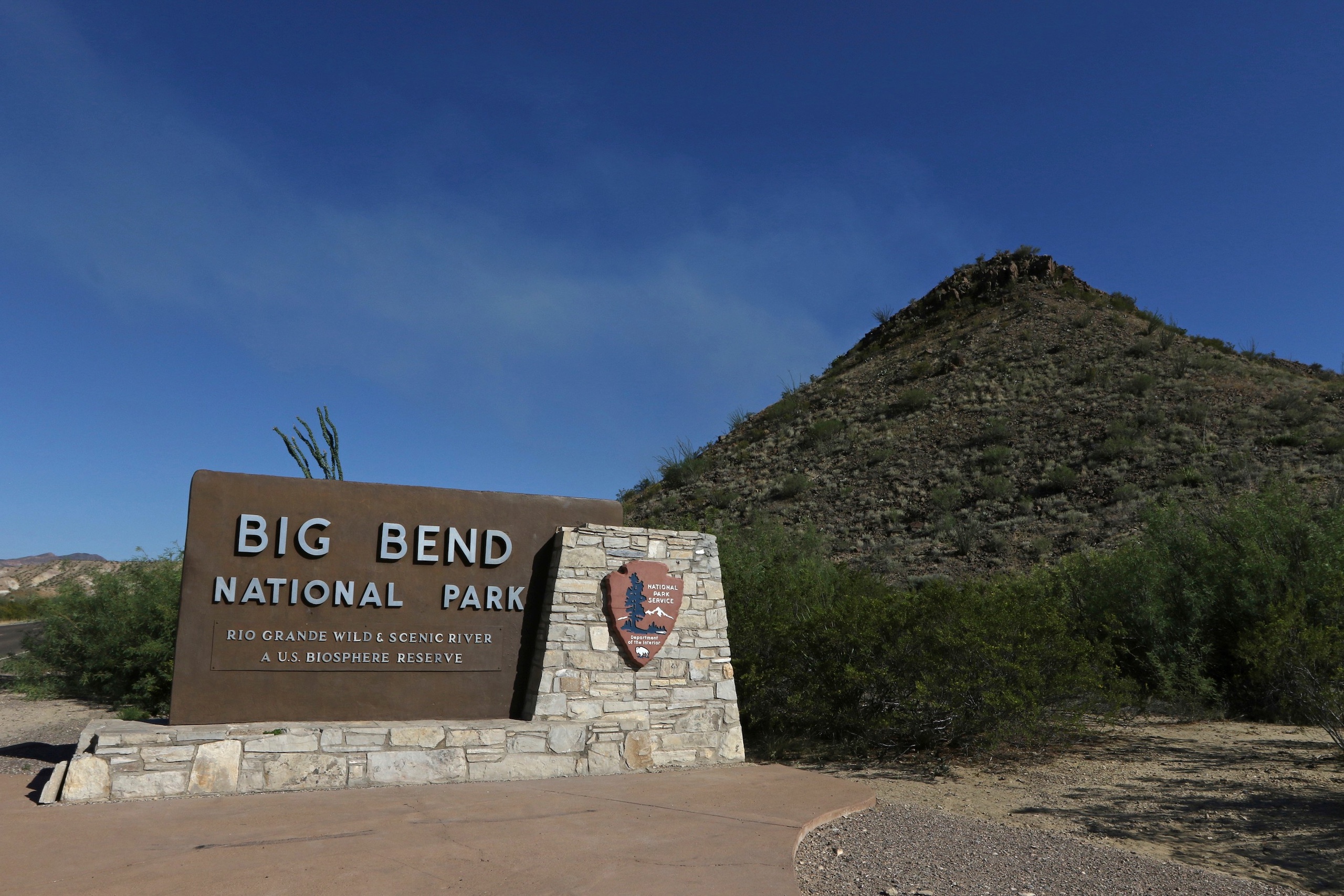
President Trump’s Big Bend border wall project has drawn consternation from locals and environmentalists who fear the government’s operations will disrupt the remote habitat.WASHINGTON (CN) — The Trump administration on Wednesday asked the Supreme Court to tear down barriers preventing construction on portions of the border wall through the Big Bend region of Texas.In an emergency application, the Department of Homeland Security lambasted a judge for prioritizing environmental concerns for the public recreational area over the government’s border-security interests and urged the justices to quickly correct the error.“The notion that respondents’ interest in ‘escap[ing] from modern life’ in the ‘wild spaces in the Big Bend Sector’ and preserving ‘the spiritual, recreational and aesthetic value of the area’ surpasses the United States’ paramount interest in preventing a quarter of the border from becoming a magnet for cartel exploitation defies credulity,” U.S. Solicitor General John Sauer wrote.As part of President Donald Trump’s $46 billion border wall plan, DHS wants to construct over 300 miles of barriers and roads throughout the roughly 500-mile Big Bend section. But ranchers, residents and environmentalists have strongly opposed the project, fearing it will disturb the remote landscape.The administration agreed to pause construction in Big Bend National Park in August after videos of bulldozers plowing through pristine habitats sparked outrage. But earlier this month the government said it intended to resume construction across the region.The Big Bend section records fewer crossings than any other portion of the Texas-Mexico border because of its remoteness. As such, a Texas judge determined that DHS likely exceeded its authority by waiving environmental reviews for the project.Under former Secretary Kristi Noem and current Secretary Markwayne Mullin, DHS has issued three waivers to expedite construction in the Big Bend area. Both agency heads relied on a 1996 statute allowing DHS to ignore legal requirements necessary to ensure the quick construction of border barriers in areas with high rates of illegal crossings.Despite its lower rate of illegal crossings, DHS determined the Big Bend sector qualified for the waivers. The agency said other law enforcement tools wouldn’t suffice to monitor the section because Big Bend’s landscape makes it hard to police.“Leaving a 300-plus-mile gap in border defenses would act as a dangerous magnet for cartels and other bad actors to exploit as other routes close off,” Sauer wrote.The government urged the Supreme Court to overturn the injunction preventing any further work on barriers in the section. DHS argued that without adequate border-security infrastructure, certain segments would become funnel points for illegal crossings and smuggling of contraband.“DHS and CBP anticipate an increase in illegal immigration and drug smuggling across the United States border without a border barrier in the Big Bend Sector,” Sauer wrote. “If left to stand, the injunction thus will impede the government’s ‘compelling’ interest in protecting ‘the integrity of our borders.’”The Supreme Court did not immediately respond to the government’s application.Subscribe to our free newslettersOur weekly newsletter Closing Arguments offers the latest about ongoing trials, major litigation and rulings in courthouses around the U.S. and the world, while the monthly Under the Lights dishes the legal dirt from Hollywood, sports, Big Tech and the arts.Additional Reads
Trump asks SCOTUS to bulldoze roadblocks for Big Bend border wall
Full Article
Original Source
Read the full article at Courthousenews →KhanList aggregates and links to publicly available news content. We do not host full articles from third-party sources. Always verify important information with original sources.