
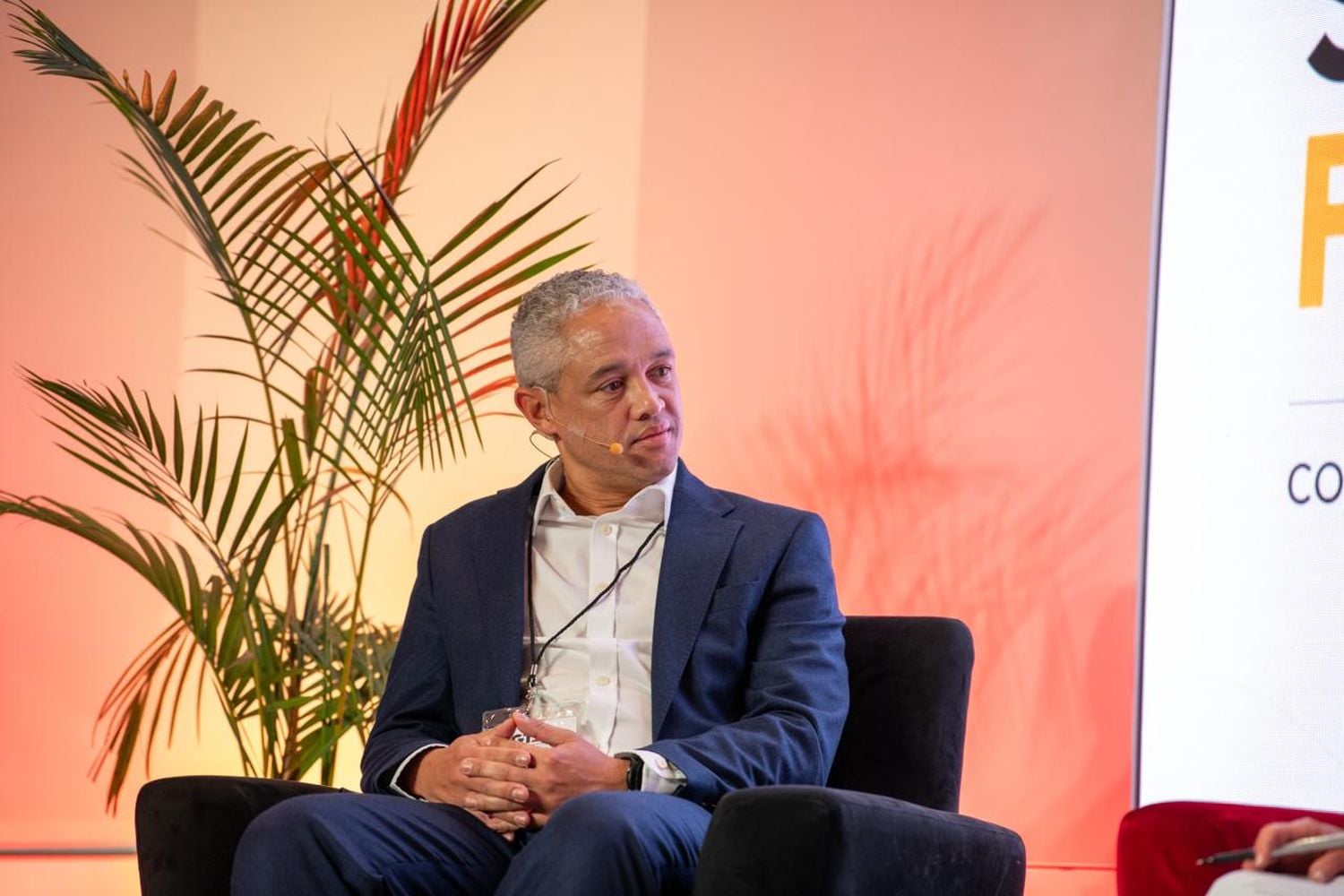
DG warns finance minister might withhold municipal equitable share transfers in December. National Treasury has acknowledged that municipalities’ deteriorating financial health is undermining its ability to deliver basic services such as water and electricity; however, Director-General (DG) Dr Duncan Pieterse said a sweeping reform package is being rolled out to put struggling councils back on a sustainable footing. He was speaking at the RMB Morgan Stanley Big Five Investor Conference in Cape Town on Monday. Pieterse said reforms in electricity and local government are crucial to attract investment and improve service delivery to households and businesses. “The reform process is always difficult and contested. We have therefore not been too surprised at the robust debate which government’s efforts to fix local government and push ahead with the restructuring of the electricity industry have generated. But we remain resolute.” Challenges facing municipalities The RMB Morgan Stanley Big Five Investor Conference is an annual event that brings together the country’s leading companies, policymakers and institutional investors to discuss the economy, investment opportunities and the outlook for businesses. This year’s conference was the 20th. Pieterse used his address to discuss issues facing the country and National Treasury’s plans to address them. At the top of the list was municipal dysfunction. “The financial health of local government has steadily deteriorated, as has the ability of many municipalities to provide adequate services such as water and electricity for their residents,” he said. “Government has embarked on an integrated package of local government reforms which spans four broad categories.” First solution to fixing municipalities Pieterse said the first thing National Treasury is dealing with is enforcement and compliance. This follows Finance minister Enoch Godongwana’s suspension of equitable share transfers to 69 municipalities as a corrective measure to address mismanagement of public funds. By law, Treasury may withhold these transfers for 30 days without parliamentary approval. Godongwana released the funds to municipalities in July. Pieterse said, in Treasury’s view, withholding the equitable share transfers paid off. “While the minister announced at the end of July that the transfers would be released, in our view this initiative was a success. Many of the affected municipalities signed payment agreements with their creditors. They put procedures in place to manage irregular expenditure and prevent it from recurring.” Funds to municipalities can be held again Pieterse has noted that municipalities must still correct the serious financial and governance weaknesses the process identified. If they do not get their act together, the minister can withhold the funds again in the December 2026 allocation. “We have implemented a structured compliance programme and deadlines to monitor effectiveness,” he added. “We are also taking action to ensure that government itself pays what it owes to municipalities. This week, the National Treasury is writing to national departments with outstanding balances to municipalities to verify those amounts and arrange settlement. “Where non-payment of municipal accounts persists, the National Treasury will engage those accounting officers to ensure that their debt to municipalities is settled. However, we are painfully aware that these steps can only be a short-term remedy. More fundamental reforms to local government are urgently needed to support a sustainable turnaround. “ Paying attention to basic service delivery Pieterse said the second solution is to improve how municipalities manage the delivery of basic services, such as water, electricity and sanitation, and the revenue they collect for these. To improve the quality of these services, he said National Treasury has launched two important projects: the Metro Trading Services reform and the smart meters grant programme. These will also turn around municipal revenue collection and boost infrastructure investment. “We have also introduced changes to the grant framework to strengthen infrastructure delivery in our municipalities,” he added. “We will soon publish public-private partnership regulations for local government to unlock private sector investment in the infrastructure required to deliver basic services.” “Through the Budget Facility for Infrastructure and the new infrastructure agency we launched earlier this year, called IFISA [Infrastructure Finance and Implementation Support Agency], we are working to improve the preparation of infrastructure projects so that they can be more easily financed and more effectively delivered.” Legislation and regulations Pieterse said the third solution is to overhaul the legislation and regulations governing local government. “We will publish amendments to the Municipal Finance Management Act later this year to address recurring weaknesses in municipal financial management. The amendments aim to identify financial stress earlier, support firmer action where failure persists, and assign clearer responsibility for corrective measures in municipalities,” he added. The final solution will focus on “longer-term structural changes to South Africa’s system of local government”. He highlighted that the Department of Cooperative Governance and Traditional Affairs is leading the development of a new white paper on local government. The National Treasury is reviewing the local government fiscal framework. “These structural reforms to the local government landscape will take time to implement, and they will require political will. But, like restructuring of the electricity industry and fixing South Africa’s logistics industry, the reforms are non-negotiable if we want to increase investment, job creation and economic growth in South Africa.”
Treasury sounds alarm on municipal finances, but here’s a plan to fix service delivery
Full Article
Original Source
Read the full article at Citizen →KhanList aggregates and links to publicly available news content. We do not host full articles from third-party sources. Always verify important information with original sources.