
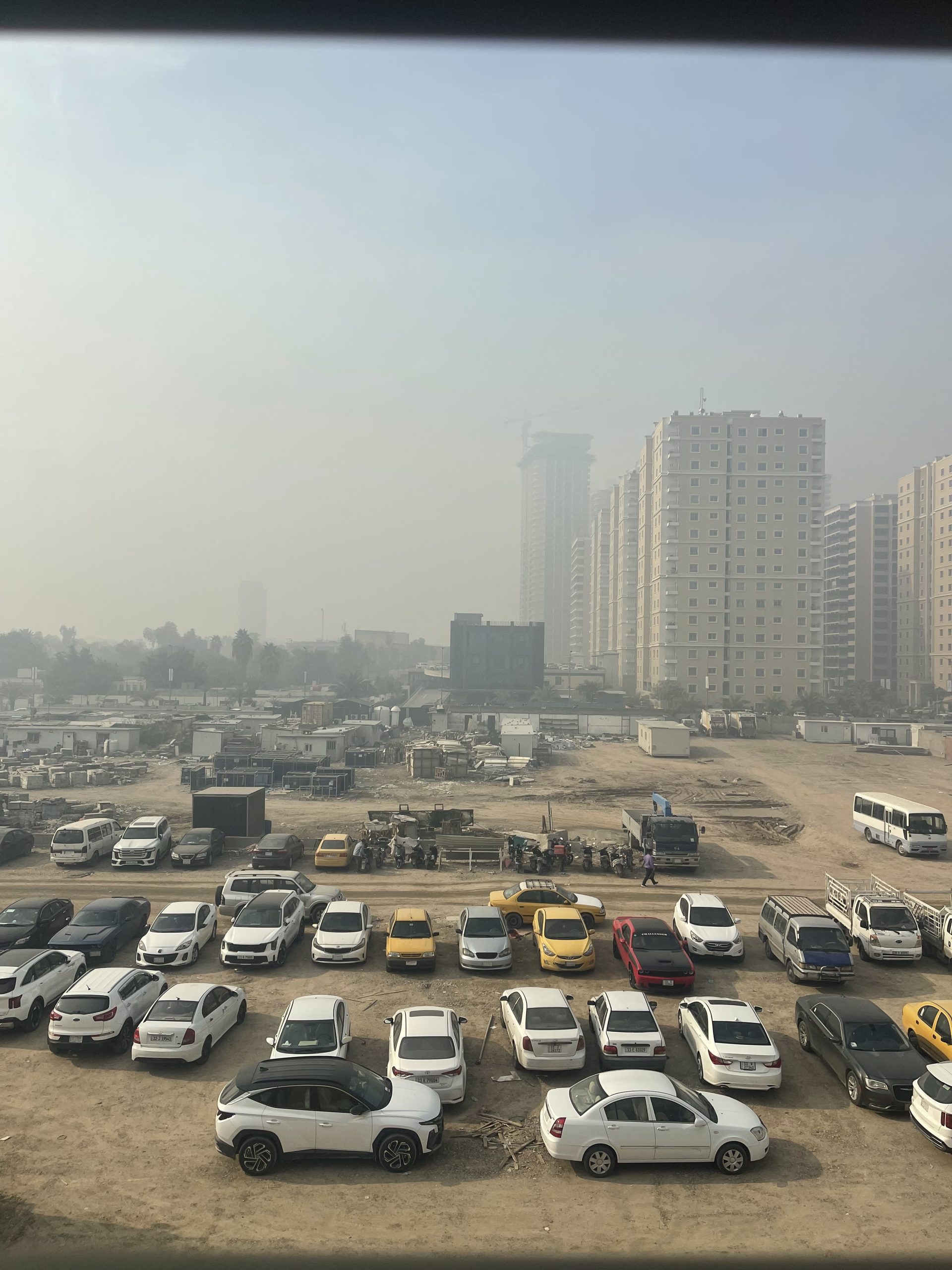
Baghdad skyline covered in dense gray smog Baghdad (IraqiNews.com) — A pungent, sulfur-like odor returned to envelope several residential districts across Baghdad overnight between Friday and Saturday, August 29, 2026, marking the latest wave of recurrent toxic air pollution that has triggered widespread public health concerns and resident complaints. The recurrence comes less than three weeks after an intense sulfur plume blanketed southern and central Baghdad for 48 hours, prompting fresh warnings from the Green Iraq Observatory regarding untreated industrial emissions, unregulated open burning, and poor environmental oversight According environmental evaluations by the Green Iraq Observatory, the recurrent pollution wave stems from a combination of industrial practices and meteorological dynamics: High-Sulfur Heavy Fuel Combustion: Heavy reliance on high-sulfur heavy fuel oil (HFO) and untreated crude derivatives across thermal power generation stations, brick kilns, and asphalt plants on the capital’s periphery. Al-Daura Refinery Smoke Plumes: Previous documentation captured heavy smoke discharges emanating from the Al-Daura refinery complex south of Baghdad, drifting over nearby urban neighborhoods. Informal Waste Incineration: Continuous unregulated burning of municipal plastic waste and uncontrolled open landfill fires surrounding the municipal perimeter. Thermal Inversion Trapping: Nocturnal and early-morning thermal temperature inversions create a dense atmospheric lid, preventing vertical dispersion and trapping toxic sulfur dioxide (SO2) and particulate matter near ground level. The Green Iraq Observatory warned that the return of sulfur emissions within less than two weeks disproves official claims of containment, highlighting severe health ramifications: Surge in Respiratory Illness: Noticeable increases in bronchitis flare-ups, acute respiratory distress syndrome, and severe asthma attacks. High-Risk Demographics: Children, elderly residents, and individuals with pre-existing cardiopulmonary conditions face heightened vulnerabilities from prolonged particulate exposure. Observatory Demands & Recommended State Interventions Required ActionImplementation PathwayHalt Low-Grade FuelsImmediate ban on low-quality, high-sulfur fuel oil in power plants and facilities near residential perimeters.Strict Landfill EnforcementComplete closure and round-the-clock security monitoring of informal waste-burning dumpsites.Transparent Environmental MonitoringActivation of digital air quality index (AQI) monitoring stations with transparent public disclosure of SO2 and PM2.5 levels.Industrial ComplianceMandatory installation of industrial desulfurization scrubbers and catalytic converters on state and private industrial chimneys.
Toxic Sulfur odor blankets Baghdad again: Warnings of health crisis
Full Article
Original Source
Read the full article at Iraqinews →KhanList aggregates and links to publicly available news content. We do not host full articles from third-party sources. Always verify important information with original sources.