
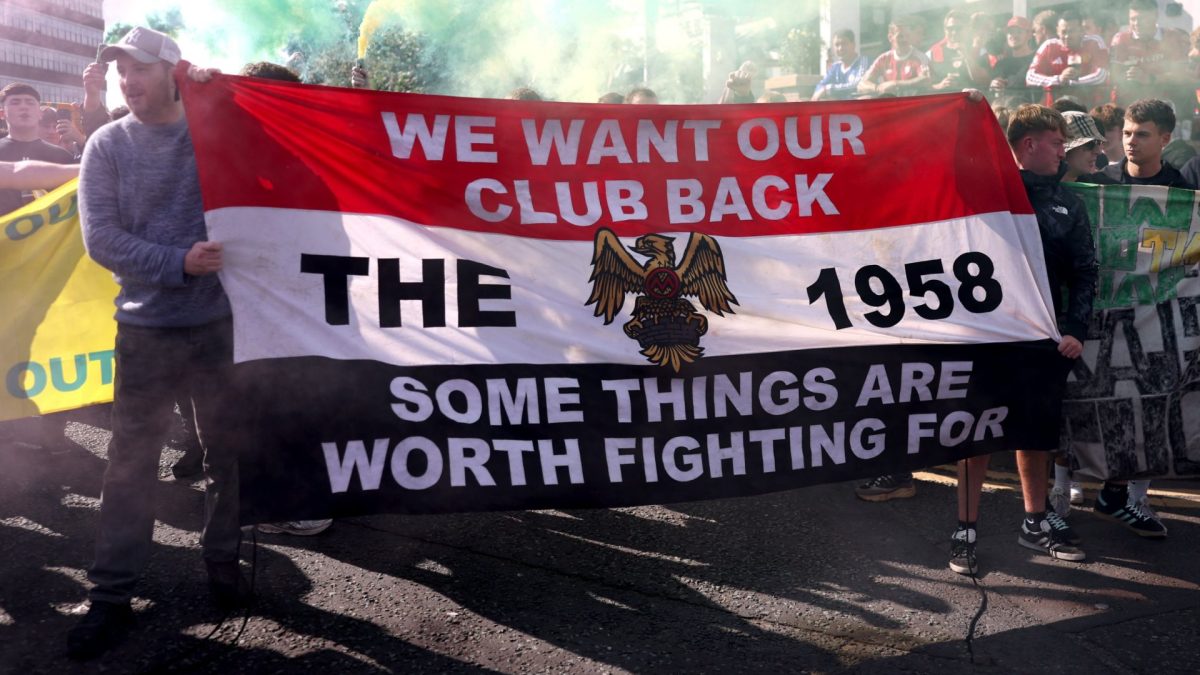
Just as it was gathering pace, with thousands of supporters joining the revolution, an attempted boycott of Manchester United’s commercial partners has disappeared into thin air. What is left is exactly what supporter groups and the organisers of the boycott did not want: a fractured fanbase, who are at war with one another. And it has turned nasty. A group of United supporters, who believe protests over how co-owners Ineos and the Glazer family run the club are falling on deaf ears, launched an online campaign against the club’s sponsors and commercial partners in an attempt to get senior executives to take notice. Using the hashtag #BoycottUnited, the campaign was gathering real momentum, trending on X, with an orchestrated plan to target commercial relationships through negative reviews, contacting press offices and leaving comments on their social media posts well under way. Thousands reposted or shared the message on their socials, with a vocal number of supporters firmly backing the campaign. Not all were on board and the movement ground to a halt, leaving fans to argue among themselves. It has all turned rather toxic. The i Paper has spoken to numerous supporters, some affiliated with fan groups and those on each side of the argument, to gain an understanding of how we got to a point where prominent members of different United fan groups, some who helped start such associations, have chosen to step down in the aftermath of the failed boycott attempts. Most of those contacted wished to remain anonymous, for fear of yet more online abuse.“I had enough, it was not worth it,” Steve Crompton, one of the founders of fan group The 1958, who resigned last week, tells The i Paper. “I was getting abuse on Twitter, as were my family. Calling me all sort of things and making threats of physical violence. It has never been as toxic as this, ever. I was only trying to get what everyone wants: a change of ownership. These organisers had no idea what they were doing. Now it is World War III.” There were protests before September’s game against Man City (Photo: Getty) The disagreement surrounded how quickly this latest boycott campaign took place. Several fan groups called for a coordinated approach, which would take time to meticulously plan and put in a structure where the efforts can be monitored. Several accounts with large social media followings instead pressed ahead with the boycott, setting out ways supporters could join in and, in revealing they had not gained cooperation from certain fan groups, the online conflict began. Both sides suffered threats and abuse from the other, with a clear separation between match-going supporters and those more prominent online becoming apparent. The Red Army, who claim to be United’s “largest, truly independent supporters” group and also organise banners in the Stretford End, have made their X account private as a result of the abuse they were getting for not openly supporting the early stages of the campaign. It is understood those in prominent positions’ mental health was being affected. The i Paper has spoken to those who lead the boycott efforts and they are adamant they wanted to unify all fan groups and ordinary supporters behind the cause. Some have also had to since make their tweets private, as the levels of abuse became too much. “We are losing good people in the fight,” another member of the United fans’ forum tells The i Paper. “And who are the people who win from us turning on each other? The ones who always do – the Glazers and (Sir Jim) Ratcliffe.” Those who took to boycotting commercial partners felt they needed to act now as protests are “doing nothing”. Not for the first time since Ratcliffe and Ineos took a minority stake in the club, hundreds of angry supporters marched down Sir Matt Busby Way to voice their discontent ahead of the last league match at Old Trafford against Manchester City. “I actually agree that they probably aren’t doing that much,” one of the protest organisers tells The i Paper. “But we were trying to do things as one. A boycott has to be planned properly, with everyone on board. This latest one was not going to do anything.” Read more Pete Hall: ‘They never learn’: How Ineos finally broke Man Utd fans’ trust Kevin Garside: Man Utd and Omar Berrada face some very awkward questions over Man City saga Boycotting a match at Old Trafford, where fans let their empty seats do the talking for them, is being mooted, too. Yet even that is causing division on social media, with some claiming those demanding supporters don’t turn up to games are from overseas, and have no intention of ever attending a game anyway. Powerful fan channel voices, such as Mark Goldbridge, weighed in, questioning how supporters from “faceless” accounts can call out established fan groups and not appreciate the efforts such organisations are making already. And you can imagine the reaction Goldbridge received. Social media provides too easy a platform to spread division. It is down to United supporters not to lose sight of the fact that, however they want to go about things individually, collectively they are all on the same side.
‘Toxic’ Man Utd fan rift forces supporters’ group founder to step down
Full Article
Original Source
Read the full article at Inews →KhanList aggregates and links to publicly available news content. We do not host full articles from third-party sources. Always verify important information with original sources.