
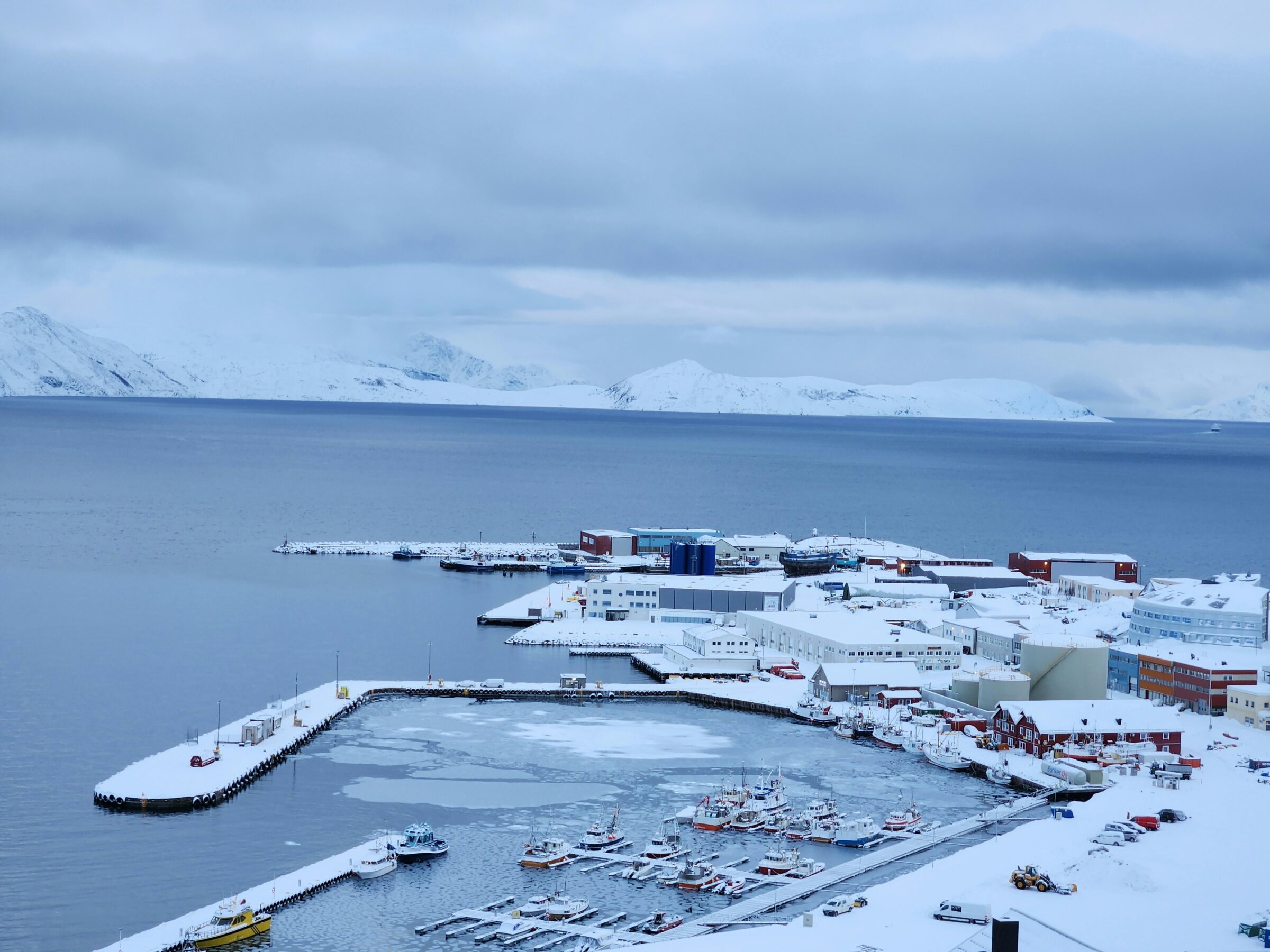
A powerful coalition of Norwegian business and political interests has been pushing the EU to drop its 2021 support for a moratorium on oil and gas drilling in the Arctic to ensure future energy security. The EU is currently reviewing its Arctic strategy and may well decide to do so. Norway can do what it wants in its northern waters. The EU has no say. But a friendlier signal from Brussels would offer companies more certainty about future demand, and make the vast investment needed easier to justify. Even then, it would take decades. A new report from WWF-Norway, published on Monday (21 September), finds that new Arctic gas would not arrive until the mid-2040s, which it argues is far too late to help Europe’s energy security. Oil and gas projects in the Norwegian Arctic have historically taken an average of 18.7 years from discovery to production, among the longest anywhere, thanks to the extreme conditions and the near-total absence of infrastructure. No field in the Barents Sea has ever come in under 14 years. So a gas discovery made in early 2027 would likely only start production in the early to mid 2040s. To read this story, log in or subscribeEnjoy access to all articles and 25 years of archives, comment and gift articles. Become a subscriber for as low as €1,75 per week.Read without limitsAlready a subscriber? Login
‘Too little, too late’: Europe’s Arctic gas would arrive two decades too late, new research finds
Full Article
Original Source
Read the full article at Euobserver →KhanList aggregates and links to publicly available news content. We do not host full articles from third-party sources. Always verify important information with original sources.