
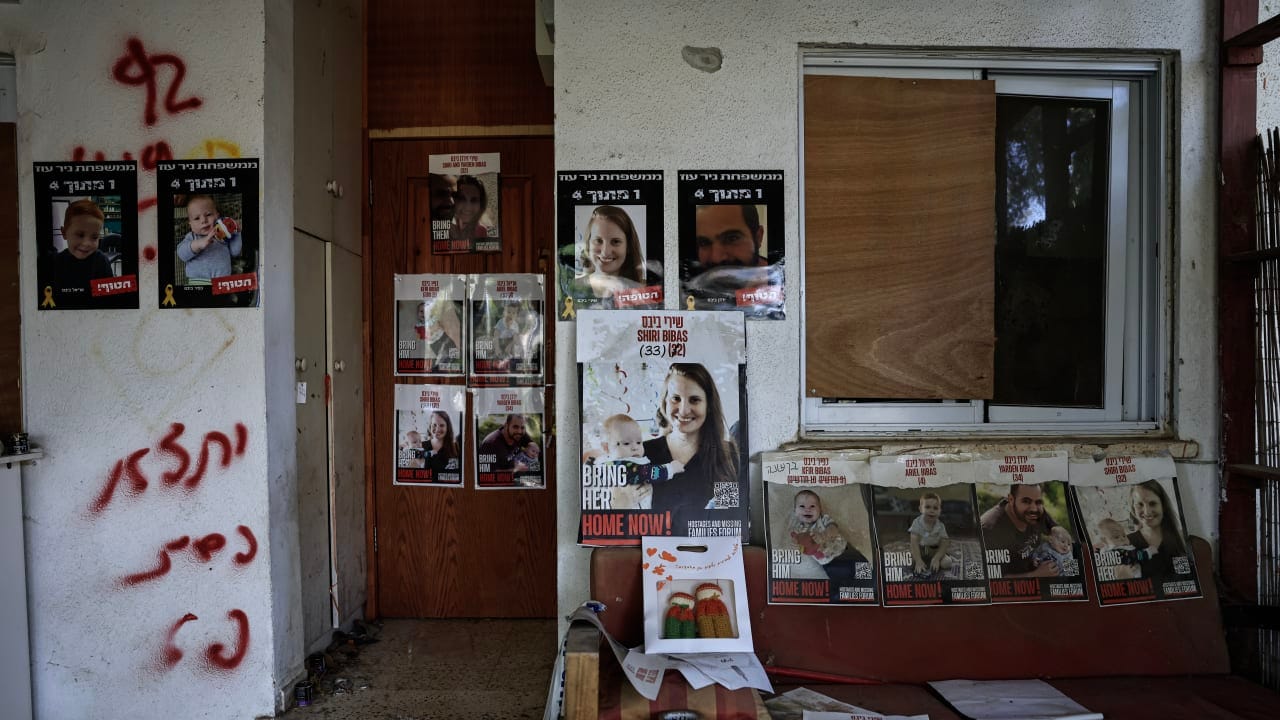
OCTOBER 7, 2026 06:03There are families who wrote to me after October 7 and never received an answer. Others heard back too late. They sent photographs, names, and stories of people they loved, hoping we would write about them in The Jerusalem Post. Some of those stories never appeared.To those families, I am sorry.I understood what they were asking. After a terrorist attack, part of our job is to call the families and write about the people who were killed. An article can stay with a family for years. Somebody searches a name and finds something about the person: what they did, who loved them, what their friends remember.After October 7, the numbers kept going up. Hundreds, then more than a thousand. We did not even know who had been killed, who was missing, and who had been kidnapped. Meanwhile, we were covering a war and trying to explain to readers abroad what had happened.I remember looking through casualty lists and wanting an article about each person. Families were sending messages, press releases were arriving, and we used what we could get to. Sometimes a relative reached a reporter who had time to make the calls. Sometimes a message was buried under hundreds of others.The community of Kibbutz Nir Oz, where 65 kibbutz members were murdered or taken captive by Hamas in the October 7 massacre hold a memorial service at the cemetery of the kibbutz on the two-year anniversary of October 7th. October 06, 2025. (credit: Tsafrir Abayov/Flash90)More accounts of heroism, faith, and horror than we could handleI don’t know how many more reporters we would have needed just to write those stories. We had more than we could handle, every day. That still bothers me, especially when I think about how much harder it may be to find those families’ stories years from now.Take Tamar and Yonatan Kedem-Siman Tov and their children Arbel, Shahar and Omer, who were murdered in Nir Oz. Yonatan’s mother, Carol, was murdered there too. The kibbutz’s memorial page recalls that Yonatan, known as Johnny, made sure the field was watered before its kite festival to keep the dust down. I wish we had published more of those details about more people.When we looked through testimonies for our October 7 cover, there were accounts of heroism, faith, and Hamas’s antisemitism. Others described Arab and Jewish Israelis helping each other. There were so many powerful stories. Naama’s hit us in the stomach. She was 17, from Kfar Aza, and she thought she was going to die. On her grandfather’s prescription, she wrote:“Naama of a few hours from now, if you are reading this, you are alive.” 0710JDN01She couldn’t find a pen, so she used eyeliner. We kept coming back to that: her grandfather’s prescription, whatever she had available to write with, and the thought that she might survive to read it. At 17, she had left a message for herself on the small chance that she would get through those hours.It was also very visual. A prescription is familiar to readers almost anywhere. They can imagine that piece of paper in their own home, belonging to a parent or grandparent. These ordinary details helped explain what we wanted the cover to convey about the everyday people caught in the attack.Testimonies, hope for a futureThere was hope in her sentence, too. She allowed for a future, even one only a few hours away, and lived to describe what she had written. The illustration on our cover is based on that account, recorded by Edut 710.We chose one testimony for the cover knowing how many others deserved that space. I hope readers who look up Naama’s account will stay with the archive and listen to someone else as well.Edut 710 began as a volunteer initiative after the attack. Witnesses can tell their accounts at their own pace, including life before October 7 and what followed. Their consent governs publication and use. A detail that a reporter might have left out to meet a deadline can remain available to someone studying the account decades later.Its Smart Archive, developed with the Hebrew University of Jerusalem, makes the testimonies searchable in Hebrew and English. That gives readers overseas a way to find accounts that never reached an international newspaper.Organizations doing this work need money to continue. Volunteers need equipment, recordings need editing and translation, and somebody has to look after the material for years. Those considering a donation should think about supporting that work beyond the anniversary, when it will still need doing.We know from the Holocaust how much depends on what is collected while witnesses are still able to speak. Letters, photographs and recorded accounts allow people born decades later to examine what happened. October 7 is already being denied and distorted. The material we preserve has to be accurate, properly attributed and available for others to examine, with uncertainty acknowledged and errors corrected.Families have a part in this as well. A relative may be the only person who can identify someone in a photograph or explain why an object mattered. That knowledge can be recorded now, with their consent, rather than left for somebody to guess at later.Our cover gives space to a teenager who wrote something she thought she might never read. Because her account was recorded, readers can hear her tell it herself. There are many more people we should be listening to.I keep thinking about the families who wanted us to know who their loved ones had been. I want us to keep making room for those stories in the Post, and to help readers find the accounts being collected elsewhere.We could not tell every story then. We still have a responsibility to try now.Follow us on Google
Three years later, I still think about the stories we did not tell on October 7- comment
Full Article
Original Source
Read the full article at Jpost →KhanList aggregates and links to publicly available news content. We do not host full articles from third-party sources. Always verify important information with original sources.