
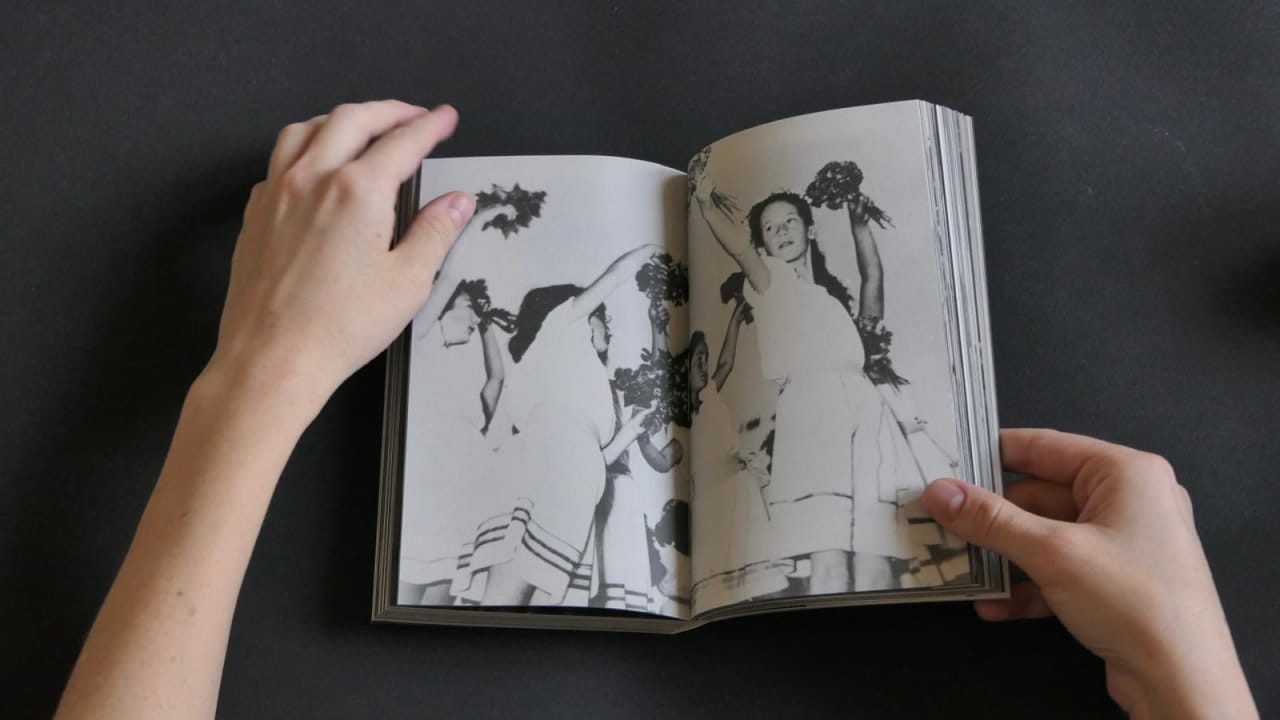
Jerusalem Post/Israel NewsAdditionally displayed in the exhibit are the documentary work “Local Testimony for 2023” and a musical playlist consisting of Israeli songs that have become part of the war’s soundtrack.Follow us on GoogleYael Lerner, 'I Saw a Dove.' Displayed at the ANU - Museum of the Jewish People.(photo credit: ANU - Museum of the Jewish People)OCTOBER 4, 2026 09:37A collection of new artworks focused on healing and resilience has been added to ANU – Museum of the Jewish People’s “October 7” exhibit as Israel marks the third anniversary of the massacre.Curated by Michal Hominer and Carmit Blumenzon and featuring the work of 25 artists, the exhibit opened shortly after October 7, 2023, to document the events and the creative ways Israel attempted to cope with the loss. Additionally displayed in the exhibit are the documentary work “Local Testimony for 2023” and a musical playlist consisting of Israeli songs that have become part of the war’s soundtrack.Now, three new works by graduates of the WIZO Haifa School of Design have been added to the exhibit, detailing the search for resilience, creativity, and optimism now that all of the hostages are back in Israel.These works include Tamara Kloss’s “Compassion Fatigue,” which comments on the thousands of commemorative stickers for the hostages and fallen soldiers since the outbreak of the war, Yael Lerner’s “I Saw a Dove,” a book illustrating the range of emotions evoked by the dove symbol, and Yehuda Feldmer’s “Shalom,” a visual study of the word “peace.”Tamara Kloss, ''Compassion Fatigue.'' Displayed at the ANU - Museum of the Jewish People. (credit: ANU - Museum of the Jewish People)Art as a way to heal, create hope"Art is a great force that allows us to observe, to ease, perhaps to heal, and to create the beginning of hope,” said Col. (res.) Oded Revivi, ANU’s director general. “Three years after the October Sabbath, it is interesting to observe not only what was broken, but also the work that was born from the fracture.”“The exhibition continues to change along with society, and the new works allow us to listen to additional voices and see how memory, personal and collective, is formed, reflects a national mindset, and in the aspiration also shapes a better future."Dr. Orit Shaham Gober, the museum's chief curator, added, "Three years later, the work is no longer just in the first moment of reaction to the event. It allows us to observe, process, remember, and also allows us to build new hope.""The works created during this period range between pain and the desire to search within it for the possibility of a new movement forward."Follow us on Google
Three new art pieces join ANU's 'October 7' exhibit as Israel marks third anniversary of massacre
Full Article
Original Source
Read the full article at Jpost →KhanList aggregates and links to publicly available news content. We do not host full articles from third-party sources. Always verify important information with original sources.