
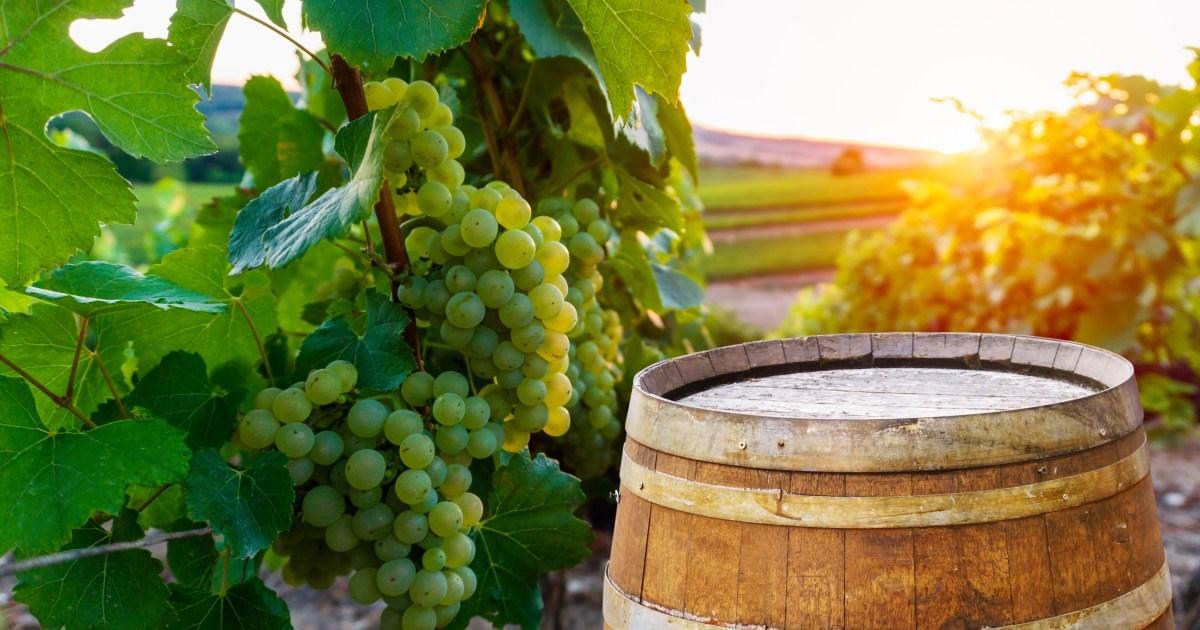
It’s been a hell of a year (Picture: Getty Images/iStockphoto) If you find yourself feeling a little more festive than usual at your upcoming autumn dinner parties and winter bashes, don’t blame the holiday spirit — blame the summer heatwaves. Because of sizzling, record-breaking temperatures across Europe, your favourite drinks are getting a strength upgrade. So, if you’re popping open a bottle of bubbly prepare for a bit more of a kick. Why is the heat making our drinks stronger? It all comes down to basic science: heat makes fruit sweet, and sugar turns into alcohol. The relentless summer heat and drought caused grapes in France’s iconic Champagne region to ripen exceptionally fast, leading to their earliest harvest on record. As a result, the heat produced grapes with higher sugar levels, which convert into alcohol during fermentation. During the second fermentation process, which gives Champagne its bubbles, some wines exceeded the usual 13% limit after being made with high-sugar grapes. French producers have thus been permitted to raise the alcohol content to 15% in a bottle of bubbly for the first time. Vintage Champagnes may be in short supply (Picture: Shutterstock / PeopleImages.com – Yuri A) The temporary increase in Champagne’s alcohol content is only expected to affect a small number of bottles, though. Ask Metro Use AI to go deeper into the stories you care about – powered by Metro and trusted publications. But it isn’t just French vineyards feeling the heat; Britain’s orchards have had an unusually sweet summer, with higher sugar levels in fruit potentially giving cider a stronger alcoholic kick. ‘The decision made by the Appellation for Champagne is purely practical. It’s simply that this year has been so hot, it’s going to be extremely hard for a lot of producers to ensure their base wine stays under the normal maximum of 13% ABV allowed within the region,’ Jonathan Kleeman, award-winning British certified sommelier, explains to Metro. Champagne makers are facing unprecedented times (Picture: Shutterstock / Massimo Santi) Latest heatwave news and guidance ‘There has been quite a run of warm vintages lately,’ he continues. ‘So that’s probably why this action is being taken. It’s a way of protecting the smaller, or relatively smaller, producers who maybe don’t have the huge stores of reserve wine to blend in.’ What does climate change mean for the Champagne of the furture? ‘I doubt we’re going to see a lot of 15% Champagnes, but I do think we’ll see some that pip over that 13% mark,’ the expert notes. He explains that while Champagne has the advantage of blending wines and relying on reserve bottles, small producers will struggle to do this. ‘What we probably won’t see is a lot of vintage Champagne from this year, because vintage Champagne is only made in the best years,’ he says. ‘Such a challenging, hot year means there will probably be a reduction in the amount of vintage Champagne produced; they’ll likely focus more on their non-vintage.’ Non-vintage Champagne mixes base wines from multiple harvest years to maintain a consistent house style every year. Vintage Champagne uses grapes harvested in a single, exceptional year, and that year is printed on the bottle. So while we will see Champagne over the limit, it will only be by a small margin. But hey, we’ll take the bonus buzz where we can get it! Watch out if you’re a cider fan (especially homebrewers) ‘We’re seeing the same issue with cider apples. They’re most likely going to have higher sugar this year when picked because of the heat,’ Jonathan continues. ‘That’s going to happen in the UK, France, or anywhere affected by this heatwave, which is most of Europe. It means higher sugar levels, which lead to much higher potential alcohol levels, and is going to take a lot of management.’ He explains that cider has fewer restrictions than Champagne and can be watered down more easily to mitigate high levels of alcohol. Cider has seen higher alcohol content too from the weather, but this is easier to dilute (Picture: Getty Images) ‘People who are making it at home, who aren’t doing as much testing and aren’t being as rigorous, are probably going to find that their cider is going to be far punchier than it has been before. So that is something to really watch out for,’ he warns. ‘The big issue is going to be for homebrewers and artisan producers who would normally use 100% pressed apple juice. Trying to dilute that cider down will have a much greater effect and be much more noticeable on the style of the cider. But if they don’t do it, it’s going to be 9% instead of 5%, which is a huge difference. So those producers are going to struggle far more.’ So, whether you’re raising a toast with a glass of Champagne or sipping a pint of homemade cider over the coming months, keep an eye on your glass and pace yourself. This year’s summer sun has left us with some potent pours – and you might just find yourself feeling a little merrier, a little faster! More food news from Metro Do you have a story you’d like to share? Get in touch by emailing MetroLifestyleTeam@metro.co.uk Deals of the Day Topman’s new-season collection has arrived and prices start at just £10 An Instagram mattress left me with back pain – this one completely changed my mind Book Val d'Isère, Val Thorens and Tignes for less in Club Med's ski sale Save 25% on red light therapy masks, sauna blankets and sleep gadgets in Bon Charge sale The viral LED face mask with over 350 lights that's currently discounted by £100 Arrow MORE: M&S is launching bakery ‘surprise bags’ for just £3.80 at 350 stores Arrow MORE: Famous US dessert chain with ‘best doughnuts’ is finally coming to the UK Arrow MORE: I got stranded in the world’s greatest food city, where every meal was £12 or less The Slice Your free newsletter guide to the best London has on offer, from drinks deals to restaurant reviews.
This is the reason why you’re going to be more tipsy this autumn
Full Article
Original Source
Read the full article at Metro →KhanList aggregates and links to publicly available news content. We do not host full articles from third-party sources. Always verify important information with original sources.