
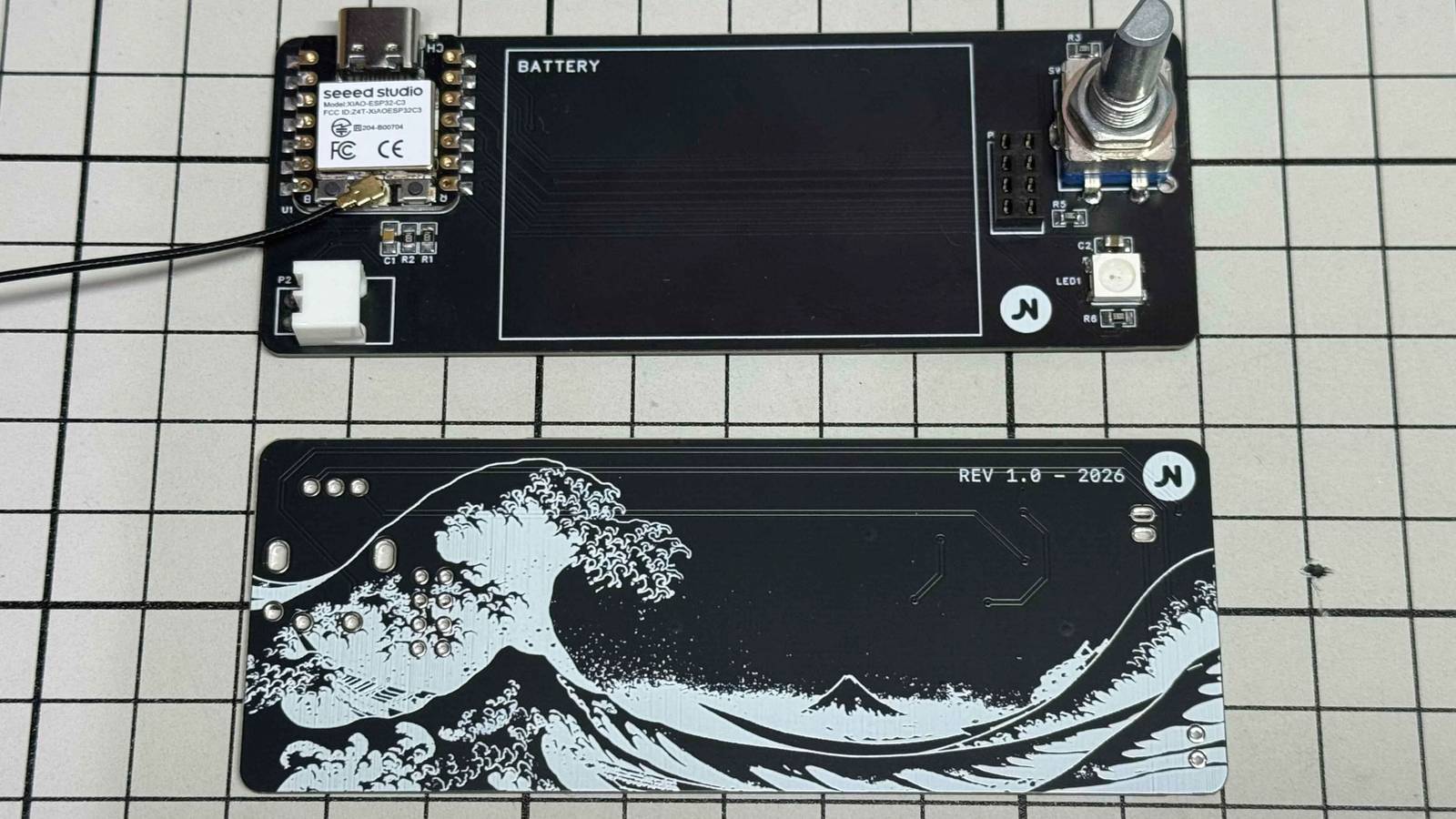
Credit: Mammoth-Grade-7629 Published Oct 4, 2026, 2:42 AM EDT Simon is a Computer Science BSc graduate who has been writing about technology since 2014, and using Windows machines since 3.1. After working for an indie game studio and acting as the family's go-to technician for all computer issues, he found his passion for writing and decided to use his skill set to write about all things tech. Since beginning his writing career, he has written for many different publications such as WorldStart, Listverse, and MakeTechEasier. However, after finding his home at MakeUseOf in February 2019, he would eventually move on to its sister site, XDA, to bring the latest and greatest in Windows, Linux, and DIY electronics. Sign in to your XDA account Summary A XIAO ESP32-C3 and Gemini AI generate CYOA-style stories on an e-paper display. The rotary encoder scrolls text, picks options, and sends selections back to Gemini for the next segment. Full source code and build guide are on GitHub to replicate InkQuest on your hardware. I love e-ink displays, and I do think that DIY devices such as weather stations, smart home displays, and picture frames are fantastic set pieces for any home. However, despite e-ink being perfect for a 'set-and-forget' display, I'd be lying if I said I didn't like seeing interactive projects using the tech, too. For instance, this one uses a XIAO ESP32-C3 combined with Google Gemini to create a text-based adventure that makes itself on the fly. The InkQuest turns your XIAO ESP32-C3 into an adventure storybook It looks like a lot of fun Redditor Mammoth-Grade-7629 posted a video of this project in motion over on the ESP32 subreddit. The design is pretty simple; the microprocessor fetches a CYOA-style story from Gemini, then lets you choose from specific options depending on how you want to progress. You use the little dial to pick the one you want, then click it down to select one. Here's how the creator describes it: "It uses the XIAO ESP32-C3, for the small footprint, to connect to wifi to access gemini ai. The gemini generates a story segment and choices for the player in JSON format. Then the text is shown on the e-paper display. The user can use the rotary encoder to scroll through the text and select their next action. Each choice is sent back to Gemini to generate the next story segment." If you'd like to give InkQuest a try on your own hardware, or you just want to read up on what it does, be sure to head over to the GitHub repository for the project, where you'll find all the source code and an in-depth description of how it's made.
This awesome XIAO ESP32-C3 project combines an e-ink display and Google Gemini to make a text-based adventure
Full Article
Original Source
Read the full article at Xda-developers →KhanList aggregates and links to publicly available news content. We do not host full articles from third-party sources. Always verify important information with original sources.