
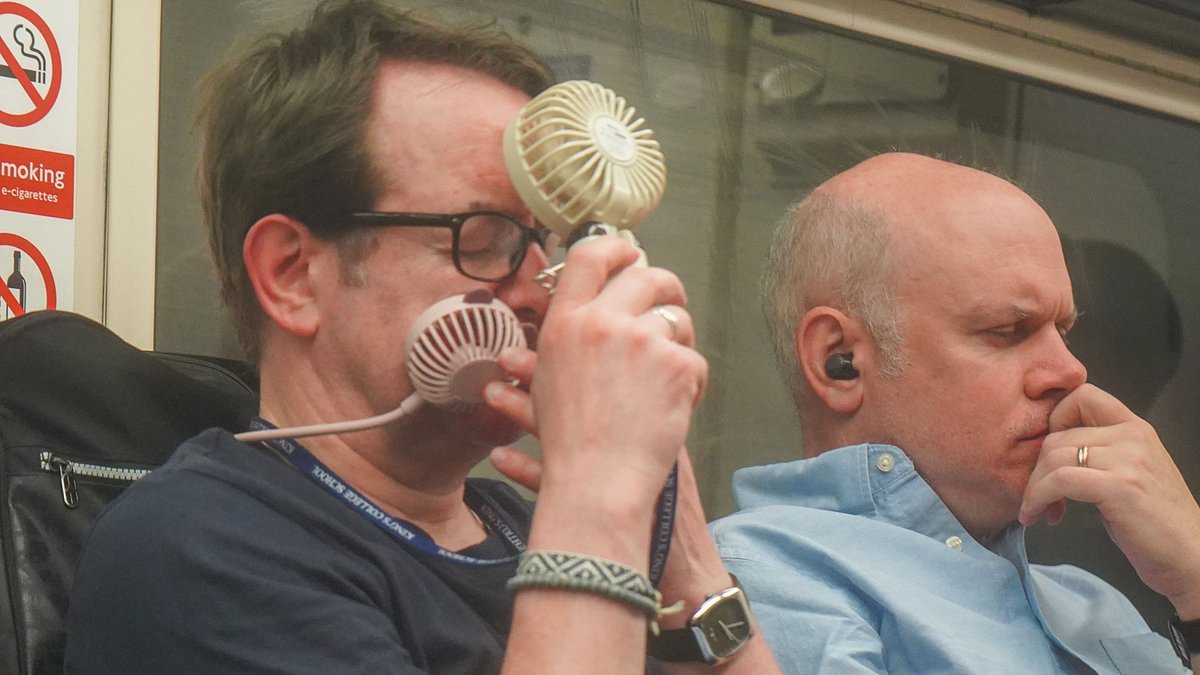
The summer of 2026 - marked by drought and waves of wildfires - has been declared the hottest in Britain since records began.Met Office forecasters said today the average temperature for June, July and August across day and night was provisionally 16.5C, higher than the record set last year of 16.1C and the previous 2018 high of 15.7C.The summer was also one of the sunniest on records - evidenced by acres of parched grassland in parks and fields across the country. It means the infamous 1976 summer and its oft-recalled heatwave is now, in fact, only the seventh most intense summer in recent memory, with the top five hottest seasons all occurring since 2003.Those expecting a reprieve in future should think again: forecasters say summers like these are now a 'one in nine year event'. Dr Amy Doherty, who leads the National Climate Information Centre at the Met Office said: 'The conditions we've seen this summer have broken UK climate records once again.'Particularly notable is how much we've exceeded the previous summer mean temperature record, set just last year.'Dr Mark McCarthy, head of climate attribution at the weather service, said the figures were an example of the extremes 'we can expect to see more frequently'. Britain has officially sweated through its hottest summer since 1884 Firefighters bring a wildfire under control in Bonhill, Scotland A man is seen using a fan to cool down on the London Underground amid 36C temperatures A mobile phone shows a Government Severe Alert Warning about the 'very high risk of wild fires nationally' on August 14 King Charles III wipes beads of sweat from his face as he attends a London Climate Week reception in JuneHe said: 'Our analysis shows a summer like the one we've just experienced is now around 130 times more likely because of climate change.'In a climate unaffected by human emissions of greenhouse gases, a summer like this would be exceptionally unlikely – one in over 1,000 years.'Temperatures hit 30C in the UK on 40 separate days this summer, beating the previous record of 34 days.A temperature of 35C or higher was recorded on 10 separate days, beating the previous record of five days set in 1976 and matched in 2020; 30C was logged on 40 separate days, beating the previous record of 34 days set in 1995.The intense heat has also made 2026 the first year on record to see three separate days where temperatures reached the 37C threshold - an unpleasant, sweaty milestone that has only been reached nine times in the UK in total, as of now. The hottest day of the year recorded at Kew Gardens in London on August 13, when temperatures reached 38.1C during one of the five official heatwaves to hit the country across the summer.The lack of rainfall produced the driest July in 190 years and saw the Environment Agency declare a drought in up to 70 per cent of England and all of Wales. The status remains in place as of today.Millions of people remain under hosepipe ban conditions amid dwindling water reserves and low river flows, forbidden from using sprinklers and hoses to water gardens, wash cars or fill paddling pools. Firefighters is seen hosing water outside a blackened house south of Stourbridge Five widespread heatwaves saw the hottest day of the year recorded at Kew Gardens in London on August 13, when temperatures reached 38.1C Thousands of Brits flocked to the coast amid scorching temperatures this summer. Pictured is revellers at Brighton Beach in June A train derailed at high summer temperatures reaching up to 33°C to 38°C, which increases the risk of track distortion and buckling Soaring temperatures and unrelenting heat also saw severe pressure on the water system, wildlife, farmers, emergency services and infrastructure.England is on track to record the highest number of heat-related deaths since records began with an estimated 2,877 fatalities caused by the May and June heatwaves.This figure, almost double the figure for the entirety of 2025, is expected to surpass the current record of 2,985 deaths in the summer of 2022. Conclusive figures are expected at the start of 2027. The hot weather also sparked a spate of tragic drownings, with fifteen youngsters and five adults losing their lives during the record-breaking heatwave. Tragedy struck at reservoirs, lakes and rivers across the country, leading to widespread warnings about the dangers faced in water. In just one harrowing week at the end of May, 20 people died at beaches, rivers and beauty spots around the country.From today, water safety education is compulsory in Relationships and Sex and Health Education (RSHE) lessons under the school curriculum.The new scheme will see primary school children taught how to recognise risk and keep safe around water, while secondary pupils will learn how about managing peer pressure around water and the basics of first aid.Meanwhile as the first day of meteorological autumn arrived, five flood alerts, meaning flooding is possible, were issued for England. Wet and windy conditions are forecast across the North West and in Scotland, while elsewhere, conditions are drier with only scattered showers expected.Further into September, forecasters say an period of unsettled weather is likely, but more rain is expected in northern and western areas, while the South and East are more likely to see longer, drier spells.Most of England and the whole of Wales remain in drought and experts say drought conditions will continue to worsen until there is sustained rainfall across the country. It comes as the Met unveiled the official list of storm names for the 2026-27 season – including tributes to loved ones, favourite pets and even an animated sheep.Austen, Boelo and Chloe will be the first named storms of this winter, meteorologists revealed, after more than 40,000 suggestions were submitted by the public.Weather watchers also submitted names in honour of a five-year-old weather enthusiast, a much-loved Labrador puppy, meteorological pioneers and Shaun the Sheep from the popular animation Wallace and Gromit.Despite their amusing origins, the Met Office said the purpose of naming storms is also serious as it helps people take notice, prepare and stay safe in severe weather.
The summer Britain sweated: Met Office declares summer 2026 was UK's hottest on record
Full Article
Original Source
Read the full article at Dailymail →KhanList aggregates and links to publicly available news content. We do not host full articles from third-party sources. Always verify important information with original sources.