
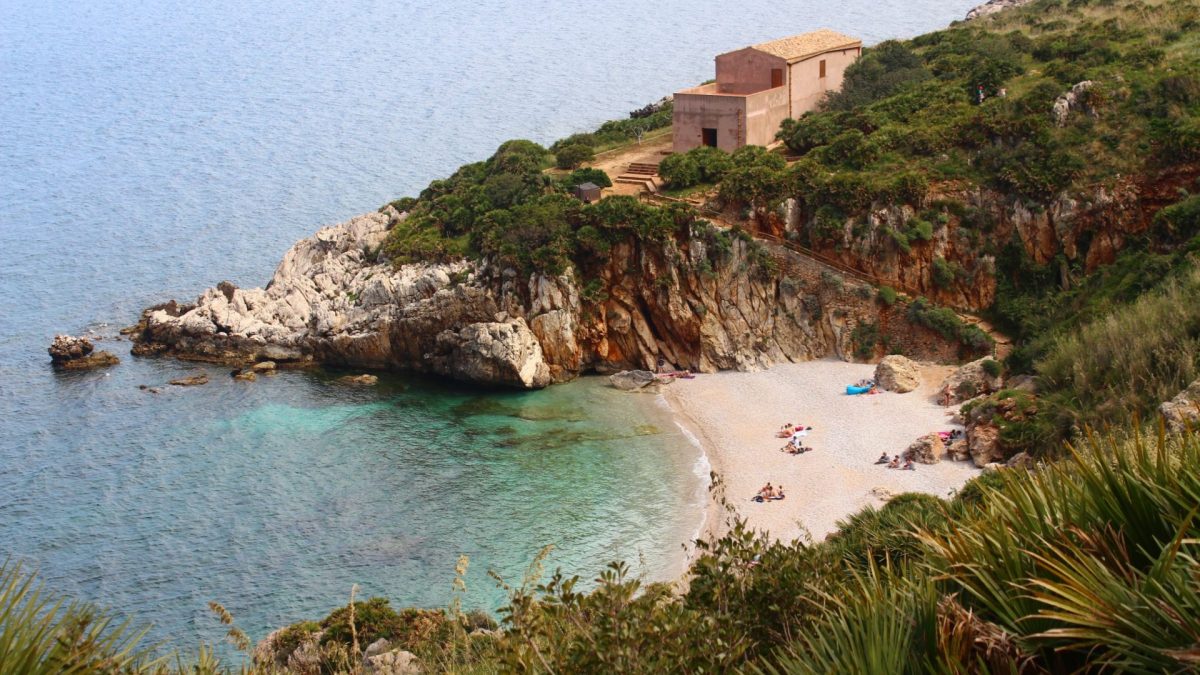
I arrived in San Vito Lo Capo expecting little more than a perfect beach. But what I hadn’t anticipated were the memorable meals, dramatic scenery and relaxed pace that forced me to slow down. While international tourists tend to flock to Taormina, Cefalù and Ortigia, this former fishing village on Sicily’s north-west coast is comparatively overlooked by British travellers. It is popular with Italians – a 2024 report by tourism research company JFC Panorama Turismo ranked it among the country’s most popular seaside destinations – but it still offers better value for money than many of the island’s better-known eastern resorts. It also has one of the best beaches in the world, according to this year’s Corona 100 Best Beaches guide. Framed by the cliffs of Monte Monaco, a 530m-tall limestone promontory, San Vito Lo Capo has resisted overdevelopment. The low-rise whitewashed houses, family-run B&Bs and bougainvillea-lined streets contribute to its village atmosphere. Shorts The headline 3km-long beach has been dubbed the “Caribbean of Sicily”, thanks to its soft white sand and crystal-clear water. This spectacular mountain-meets-sea setting fills up quickly in the summer months, so I arrived at 8.30am to secure a front-row spot with two sunbeds and a parasol (rental €20) in the public section. I could see as far as the 19th-century lighthouse, where the sandy beach gives way to jagged volcanic rock and deep rock pools, but was otherwise content to enjoy the perfect view. There are wilder beaches just south of San Vito Lo Capo. I took the free bus to the Gulf of Macari, home to a hamlet featured in the hit Italian TV mystery series Makari. I walked past the rocky shores of Cala dell’Isulidda to Spiaggia del Bue Marino, a pebbly cove that was once named Italy’s most beautiful beach by the environmental organisation Legambiente. I ended at the sweeping Baia Santa Margherita, a wild public beach with turquoise water framed by the dramatic, jagged peak of Monte Cofano. There are no buildings here – just a wide crescent of fine sand that dissolves into rocky reefs that are perfect for snorkelling. I stayed until dusk – the west-facing beach is spectacular at sunset – before I walked back up to the road to catch the return bus, as the limestone peak of Monte Cofano was silhouetted against a sky that was glowing in shades of orange and pink. A cafe in San Vito lo Capo (Photo: RomanBabakin/Getty) Just outside San Vito, the Zingaro was established in 1981 as Sicily’s first protected nature reserve (tickets €5). Roads and public transport are limited, so I explored its seven coves on a Gioiosa Tours boat excursion (€40). As we cruised beneath towering limestone cliffs, the captain steered the boat to Cala dei Leoni, where we swam in an electric blue glow in what locals call the Grotta Azzurra (Blue Grotto). Between swimming stops, the crew served pane cunzato, a traditional seasoned bread, with aperitivo, to a soundtrack of 1980s Italian classics. Before long, we were all were singing and dancing together – a celebration of Sicilian hospitality. Back in town, families were lingering for hours in the sea and over long lunches, children played outside the 14th-century fortress-church – the Sanctuary of San Vito – and as evening fell, the passeggiata picked up along the Via Savoia as the lights came on. I quickly fell into a ritual of joining a silent anti-gravity yoga class on the beach beneath Monte Monaco, before heading to my favourite sunset viewpoint: the historic lighthouse at the northern end of the town. By then, it would be time to eat. San Vito’s cuisine reflects both its fishing heritage and Sicily’s centuries of North African influence. The town is known for its international Cous Cous Festival in late September, and you’ll find it on many menus around town. Trattoria dei Lantirneri, run by two brothers in their grandmother’s former home, served one of my favourite meals, San Vito fish cous cous. Cape Lighthouse or Faro di Capo in San Vito (Photo: saiko3p/Getty/iStockphoto) There are modern places to eat fresh takes on Sicilian cuisine too, such as Osteria Ittico, overlooking the harbour and serving the day’s catch alongside its signature mezzi paccheri pasta with anchovies and burrata, and Osteria Ciauro, where you might find raw red prawns with tuna tartare and marinated swordfish. I soon came to see why Italian holidaymakers love San Vito Lo Capo. Enjoying a freddo caldo – a rich contrast of cold gelato, rum-soaked sponge cake and hot dark chocolate – I realised I had come for the beach but that I was also leaving with memories of the wild coastline, local traditions, outstanding food and unhurried hospitality. How to get there There are direct flights to Palermo or Trapani from several UK cities.Palermo is about 90 minutes by bus from San Vito Lo Capo. Trapani is a 30-minute bus ride. Where to stay Hotel Ciuri Di Mari has contemporary Sicilian interiors, excellent breakfasts and is an easy walk to both the beach and the town centre. Double rooms start from €100 B&B. Residence Il Baglio offers spacious self-catering apartments set around a traditional Sicilian courtyard with balcony. These are within easy walking distance of San Vito Lo Capo’s beach and historic centre, and start from €60 per night. Hotel Piccolo Mondo is a long-established, family-run hotel moments from the beach, withbright rooms and a rooftop terrace. Doubles from €60 B&B. More information visitsicily.info
The stunning Sicilian beach town loved by Italians that you won’t have heard of
Full Article
Original Source
Read the full article at Inews →KhanList aggregates and links to publicly available news content. We do not host full articles from third-party sources. Always verify important information with original sources.