
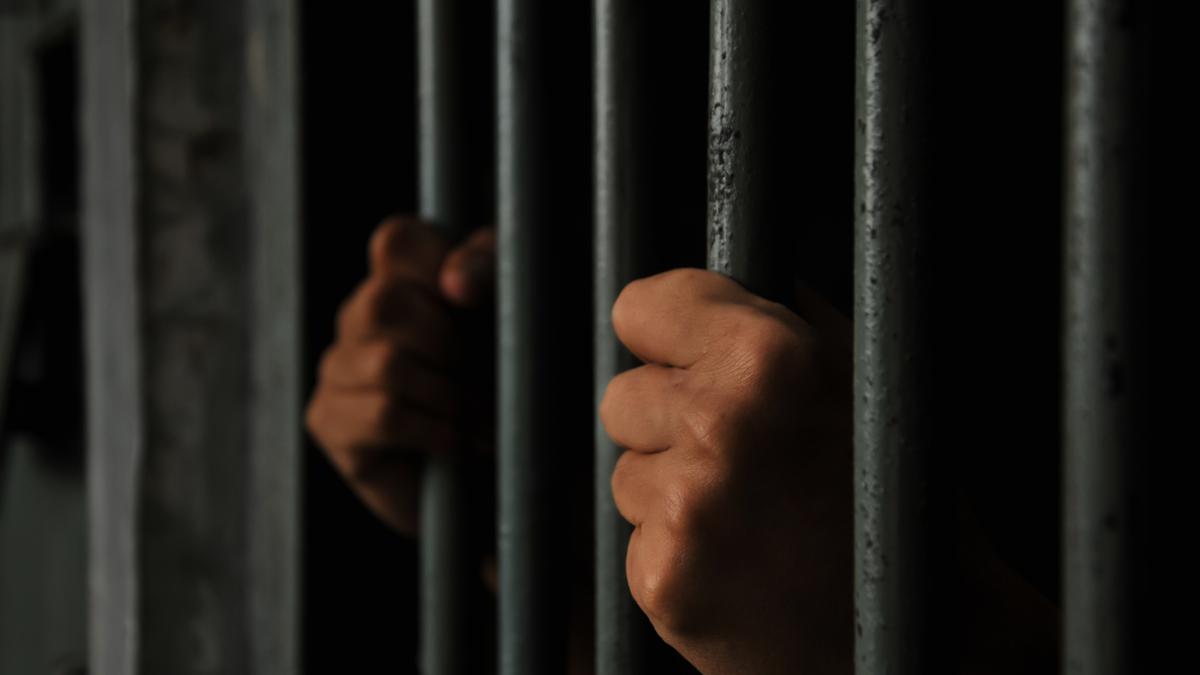
‘While legal interpretation is subjective, one thing is crystal clear: that the state cannot keep people behind bars for years without trial’ | Photo Credit: Getty Images/iStockphoto When, earlier this year, the Supreme Court of India denied bail to Umar Khalid and Sharjeel Imam in the 2020 Delhi Riots cases (while granting bail to five other individuals in the same case), one key question that arose was this: “how long is too long” for people to be kept in jail without being found guilty of an offence? At the time of the Court’s judgment, Umar Khalid and Sharjeel Imam had spent more than five years in jail without trial; at the time of writing, that period is approaching six years.In its own prior judgments, the Court had noted that an extended delay in trial would trigger an accused’s right to personal liberty under Article 21. Thus, even though the Unlawful Activities (Prevention) Act (UAPA) has strict requirements for delay, these statutory restrictions could not override the constitutional (and indeed, human) right to personal liberty.However, in denying bail to Umar Khalid and Sharjeel Imam, another Bench of the Court noted that a delay in the trial could not create an iron-clad right to bail, but would have to be weighed against other factors such as the gravity of the offence and which of the parties was “responsible” for the delay. With respect, these observations appear to miss the point. Issues such as the gravity of an offence are factors used to determine, in the first instance, whether or not a case for bail is made out. To then invoke the gravity of the offence—which, at the stage of bail, is only an allegation made by the state — to override the question of delay essentially creates a sliding scale under which certain individuals can be kept in jail for decades simply because they have been “accused” of grave offences.Indeed, this has happened: people accused under the UAPA have been kept in jail for more than two decades before eventually being acquitted, with the best years of their lives robbed from them. Indeed, the very fact that this has happened on more than one occasion ought to have given the Court pause.Nor does the argument that the accused themselves might be responsible for delaying the trial hold any water. Whatever applications an accused (or, for that matter, the state) may make, ultimately it is the judge who controls the courtroom and the pace of the trial, and it is the judge upon whom the ultimate responsibility rests to ensure that trials are completed within a reasonable timeframe. Published - July 03, 2026 12:16 am IST
The right to a fair trial at the crossroads
Full Article
Original Source
Read the full article at Thehindu →KhanList aggregates and links to publicly available news content. We do not host full articles from third-party sources. Always verify important information with original sources.