
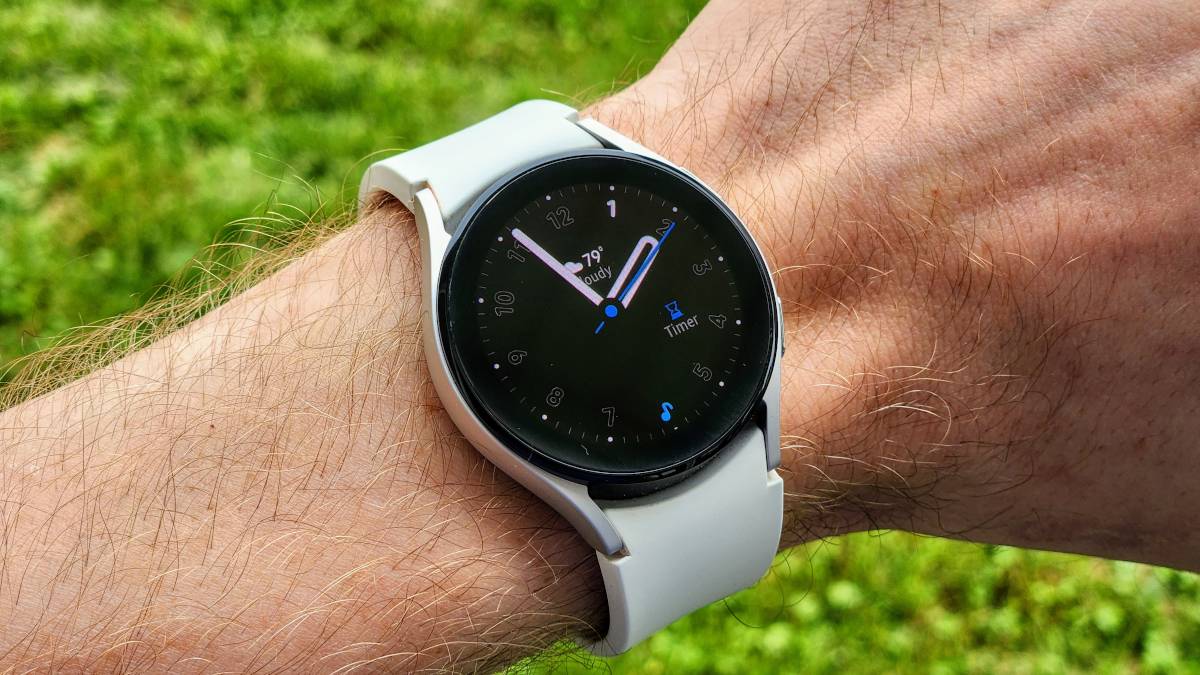
Published Nov 24, 2026, 1:50 PM EST Jefferson Mangubat is an experienced technology journalist who has reported on consumer electronics, software updates and big stories in the industry. He's now a Reporter at How-To Geek, and has built a solid reputation for delivering accurate, accessible, and insightful tech journalism. Prior to that, he was a tech reporter for Neowin, where he extensively covered hardware developments from Apple and Google, in addition to digital trends and application updates. Samsung's original Galaxy Watch might be eight years old, but one developer isn't ready to let it collect dust. An unofficial software port is bringing Google's Wear OS 3.5 to the 2018 smartwatch, although getting it running isn't for the faint-hearted. A developer going by Depth118 has published the project on GitHub, targeting the 46mm Bluetooth version of the original Galaxy Watch (SM-R800). The port is based on Android 11 and uses a system image from Google's original Pixel Watch. Both watches use Samsung's Exynos 9110 processor, giving the developer a hardware foundation to work with. Wear OS brings Google services back to Samsung's old watch The Pixel Watch provides the foundation for the unofficial port The port does more than give the Galaxy Watch a fresh interface. According to the developer's documentation, its touchscreen, physical buttons, rotating bezel, and always-on display all work. Wi-Fi and Bluetooth connectivity are also supported, allowing owners to pair the watch with a smartphone through Google's Wear OS app. You also get access to the Play Store, Google apps, notifications, and Gemini. The AI assistant can be summoned using the "Hey Google" voice command or by double-pressing the watch's lower button. That's a rather impressive upgrade for hardware that originally shipped with Samsung's Tizen operating system. When it comes to health and fitness tracking, the port is said to support heart-rate monitoring, step counting, GPS, and sensors including the accelerometer, gyroscope, barometer, and ambient light sensor. Its speaker, microphone, and wireless charging also work with Samsung's charging dock. The installation comes with some serious caveats Flashing the new software isn't without risks There is a fairly significant catch, though. This isn't an official Samsung update, nor does it bring Samsung's One UI Watch experience to the device. It's a standalone Wear OS installation running on a custom Linux 4.19 kernel, with Tizen completely removed. More concerningly, the project has only been developed and tested on one Galaxy Watch. Deep sleep is also only partially functional, which could affect battery life. The developer hasn't tested the installation on a watch running its original retail bootloader, either. That's a pretty big gamble for a device you might still want to wear every day. Installing it requires a computer with Wi-Fi and Python 3. The process uses a wireless flashing tool rather than requiring physical modifications. The developer also warns that flashing replaces the existing Tizen installation and writes Samsung's factory bootloader. Owners can theoretically return to Tizen by reinstalling the original firmware through Odin, but mistakes during flashing could leave the watch unusable. The good news is that the installation preserves the watch's factory data, including its wireless addresses and calibration information. The project also supports flashing subsequent updates over Wi-Fi. Samsung stopped updating the original Galaxy Watch in 2023, so owners had little reason to expect new software features. This unofficial project changes that equation, even if its current limitations make it unsuitable for most users. Source: Depth118 (GitHub) via SamMobile
The original Galaxy Watch gets a second life with an unofficial Wear OS port
Full Article
Original Source
Read the full article at Howtogeek →KhanList aggregates and links to publicly available news content. We do not host full articles from third-party sources. Always verify important information with original sources.