
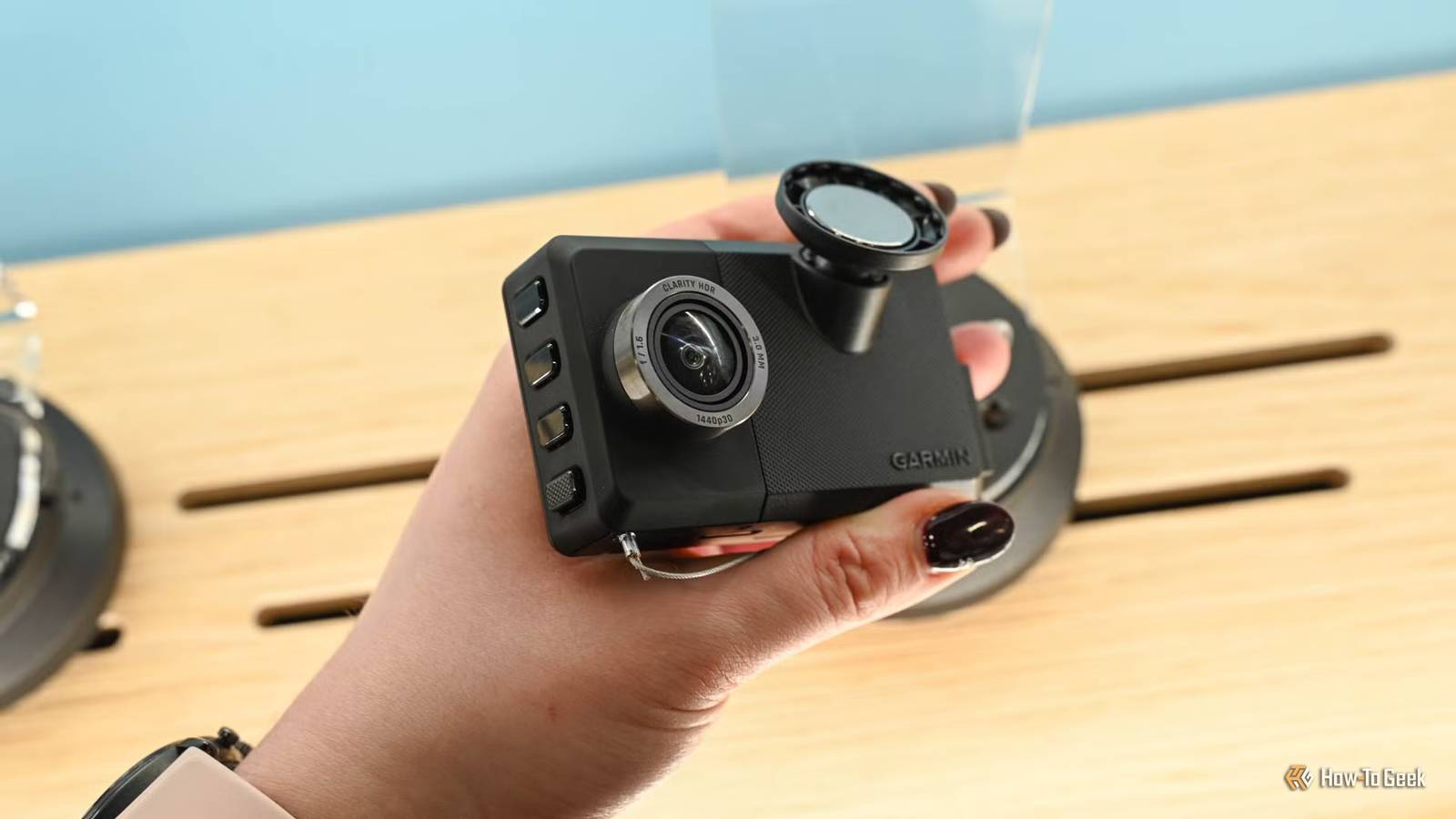
Published Nov 29, 2026, 10:00 AM EST Tim has been covering technology for almost 20 years, in that time spanning a broad range of topics from security to product reviews. He is especially focused on the Apple ecosystem, productivity, and consumer advice. Over the years Tim has written thousands of articles, reviews, and round-ups in addition to producing video content and original photography. A graduate of journalism, he found his footing as a freelancer with a laptop and loves how he is able to work from practically anywhere. Now a Senior Editor for iPhone, Mac, and Smart Home at How-To Geek, Tim still loves to write. He can also be found crafting round-ups and productivity posts for the Zapier blog. Earlier in his career Tim spent nearly a decade as a writer and eventually Apple section editor for MakeUseOf. Tim currently lives in Brisbane, Australia. Outside of work he loves to hike and work out, play video games, and spend quality time with his wonderful partner and two cats Inka and Roger. There are lots of ways to “upgrade” your car. You can swap your head unit out to add Android Auto or Apple CarPlay; you can fit dazzling LED headlights to better see in the dark at everyone else’s expense, or you can engine-swap your mom’s Civic to make shopping runs a lot more entertaining. As good as these sound, there’s only one “smart” car upgrade that belongs in every car. Everyone needs a dash cam It doesn’t matter what car you drive A dash cam, or dashboard camera, is a device that records video and audio while you drive. In some cases, they also record when your car is parked and nobody is in it. You’ve almost certainly seen footage from these devices shared on YouTube and other social media platforms. The main reason to invest in a dash cam is to gather video evidence if something goes wrong. Having a recording of an incident can help in the event of an insurance claim or encounter with police. As long as they’re set up correctly, they provide details like time, date, speed, and location to support your account of events. Though you shouldn’t expect a dash cam to unlock an insurance incentive like premium discounts, they can greatly speed up a claim by offering a visual record. Insurance companies love them because they eliminate the “he said, she said” nature of many claims. They have other benefits too, like allowing you to analyze near-misses, mistakes made, or events that could benefit from a second look. Your recordings can be of benefit to others involved in incidents. Dash cams have even been used to help find missing persons and solve other crimes. In addition to seeing in front, dash cam systems can also be mounted on the back of vehicles. While many new cars come with built-in dash cams, you don’t need to be driving a particularly valuable car to benefit from one. The relatively small cost of buying a camera could easily pay for itself by keeping your insurance premiums lower or acting as video evidence if you need to prove something. What makes a good dash cam? Things to look for (and what to avoid) Credit: BlackVue Any dash cam is better than no dash cam, but there’s still a minimum bar for quality you should aim for if you’re thinking of investing. Get a dash cam that offers the highest quality video you can afford, especially in low-light conditions. You want to be able to read license plates fairly easily in any conditions. There are a lot of fake “4K” dash cams on marketplaces like AliExpress and Amazon for bargain prices that offer compromised video quality. Avoiding these means shopping for brands that you know use quality components. GPS is not a standard feature on all dash cams, but it’s going to help by offering speed and location readouts, so you should spring for one of these if you can. Another feature you might be interested in is a “sentinel” parking mode, which uses a sensor to detect activity nearby to start recording. This can be useful to catch hit-and-run drivers who damage your vehicle and drive off. As is the case with many such devices that record video, you should avoid cloud storage as much as possible in favor of local storage to a card you can upgrade and manage yourself. Cloud storage usually means pricey subscriptions and proprietary apps. Installation is another consideration. Being able to install the camera yourself will greatly cut down on cost, but botching it will leave you with a messy dashboard and wires all over the place. This is especially true for rear-mounted cameras. If you’re happy to pay someone to do it, be prepared to open your wallet. BlackVue is one of the most recommended brands on the internet. They sell feature-rich cameras with excellent video quality at a premium price point. Expect to pay around $500 for a front and rear camera with a small microSD card thrown in. Viofo is a brand that offers cheaper cameras that receive positive reviews considering their reasonable sub-$200 price point for a front-facing camera. There is one other option, and that’s to set up an old smartphone as a dashcam. While this is economical in that it costs you nothing and puts old tech to good use, there are some major drawbacks that should make you think twice. Old phones can be much larger and more distracting than small dash cams, they can get very hot when constantly charging and discharging, and they might not provide a sufficiently-wide angle of view. We’d recommend only resorting to them as a temporary measure. The lighter side of having a dashcam On top of providing a recording of any trouble you run into, dash cams also capture those “did you see that?” moments that often happen when you’re driving. You’ll amass a good collection of funny clips, quirky behavior, wildlife sightings, and more. You can then share these clips with your friends or the wider internet, if that’s your thing. If you do decide to add a dash cam, one thing you should never do is power it using the OBD-II port on your car.
The one smart car upgrade every driver needs (even if your car's a beater)
Full Article
Original Source
Read the full article at Howtogeek →KhanList aggregates and links to publicly available news content. We do not host full articles from third-party sources. Always verify important information with original sources.