
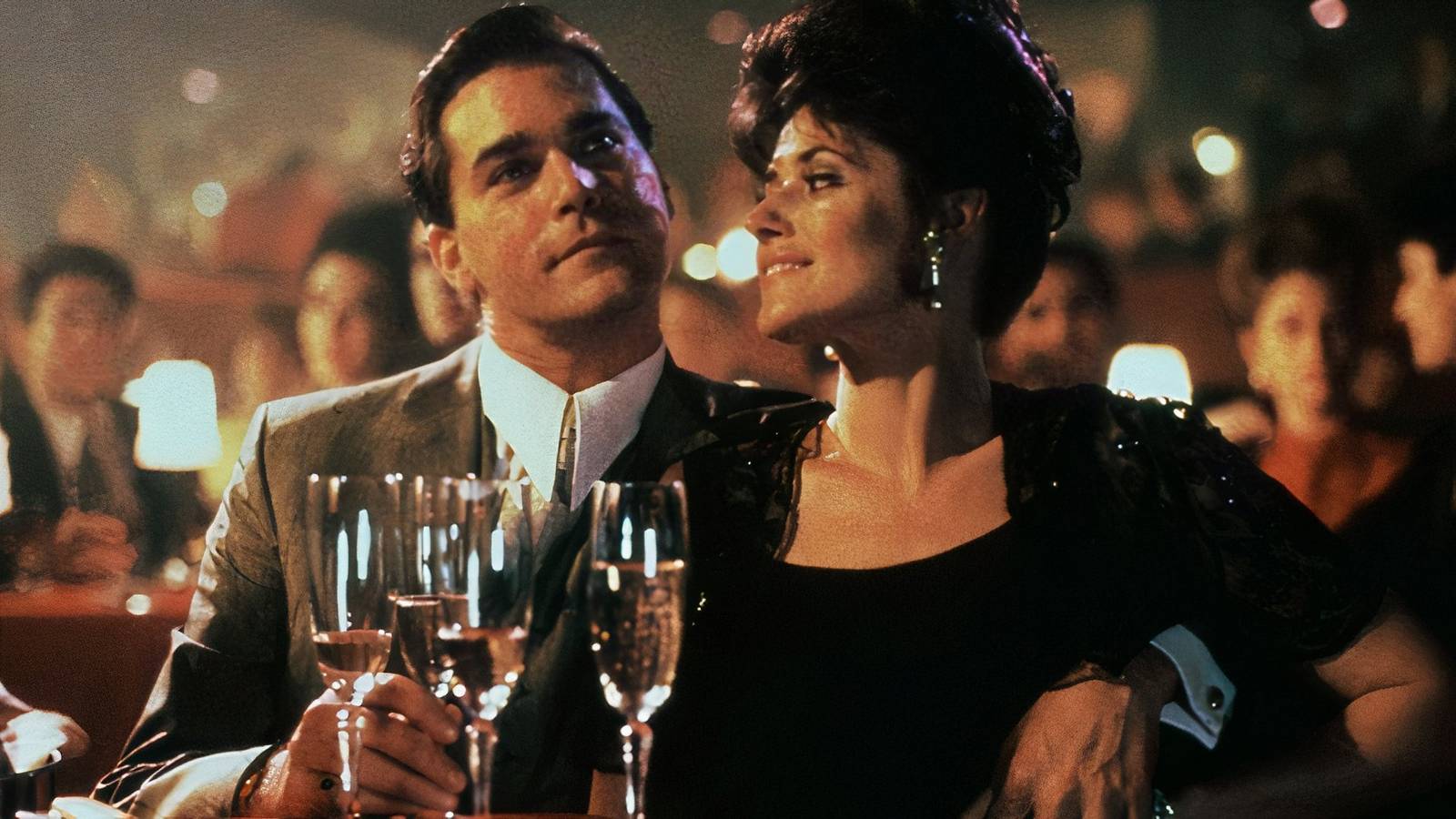
Published Oct 18, 2026, 5:55 PM EDT Simon Gallagher has worked in movie and TV journalism for more than 17 years. He has written more than 6000 articles and reviews, and edited thousands more. He is an expert in the entertainment industry, particularly in the golden age of screen superheroes. Simon is also a Rotten Tomatoes approved critic. When Goodfellas released in 1990, it wasn’t just another gangster movie. As Tarantino would four years later with Pulp Fiction, Scorsese set in place one of the new foundations of a completely different lexicon for crime cinema. Up to that point, The Godfather had been the blueprint, a near-monolothic influence on the genre that would continue to be hugely influential even after Scorsese dropped in his mobster hand grenade. But Goodfellas made it all feel more perversely seductive. The ripple effects of Scorsese's masterpiece were huge, influencing Tarantino obviously, but also helping create The Sopranos, and though we already knew Scorsese was good, Goodfellas confirmed he was the most important storyteller in American crime. And it wasn’t just about glamorizing the intoxicating cocktail of violence and excess, or adding his swaggering musicality to the genre - both of which many others would try to copy in the movie’s wake - because Goodfellas is also a stunning achievement in technical storytelling. Another version of Goodfellas would be remembered solely for the shocks of its story: the bloody Lufthansa heist clean-up, Spider’s death, the execution of Billy Batts… There’s almost a completely separate micro-lexicon of brutality in there, but the most memorable scene has nothing direct to do with violence at all. At least, not in a way that’s immediately obvious. Henry Hill’s long walk through the back door of the Copacabana is not only Goodfellas' best scene, it’s also one of Scorsese’s best, and beyond that, one of the best the genre has ever seen. Many have attempted similar one-shot feats, even outside of crime movies (like in Atonement, Spectre, Creed, Birdman, and 1917), and some very famous examples came before, but there’s really only one competitor to Scorsese’s one-shot supremacy: the opening scene to Orson Welles’ Touch of Evil. Goodfellas' Copacabana One-Shot Is One Of The Best Sequences In Crime Movie History The Copacabana scene is a masterclass in visual storytelling, because it instantly says everything the audience needs to know about Henry Hill’s world. It’s a balletic celebration of the privilege afforded by those depraved scenes of violence elsewhere, and it’s still one of Scorsese’s most captivating sequences. It’s a technical marvel, of course, and a triumph of exhaustive planning that makes the behind-the-scenes footage as interesting as the final cut, but it’s also incredibly important narratively. In just 3 minutes, the audience sees Ray Liotta’s Henry as a king, a god even, leading Karen through the kitchens to the club floor where their table is set up. The camera follows, unblinking - almost as intoxicated by how impressive Henry is as Lorraine Bracco’s love interest. Just as she is pulled in, and you understand why she puts up with what she puts up with later, so are we. The symbolic parting of the waves is married perfectly with Liotta’s hugely charming performance as Hill, smiling, laughing, bantering with bystanders, and basking humbly enough in his celebrity that Karen asks wide-eyed what he does. The Crystals song, “And Then He Kissed Me” plays over the top, mirroring Karen’s seduction in one of Scorsese’s most impressive jukebox moments. It’s all just brilliantly done, and there’s only one scene that comes close. Touch Of Evil Has A One-Shot Sequence That's Just As Good More than three decades before Goodfellas, Orson Welles’ 1958 noir masterpiece Touch of Evil has its own one-shot that’s almost identical in length to Scorsese’s more famous take. Opening on a close-up of the timer being set on a bomb, which is then planted in the trunk of a car, the camera pulls out, far less intimately than the Goodfellas sequence, and tracks over rooftops, as the vehicle navigates the streets of the Mexican/US border town. At the same time, Charlton Heston and Janet Leigh’s couple walk the same streets, intercut with the car’s journey, building tension as the clock ticks down. Scorsese’s trick was about effortlessly building cool, but Welles’ one-shot is intended to build suspense, until the final explosion happens off-screen as Heston and Leigh kiss. It’s about the contradiction of the escalating tension that comes with allowing the audience to see the bomb first, and the couple’s blinkered attention on each other. The scene choreography is arguably even more impressive than Scorsese’s, with interconnecting elements like cars crossing the camera track, but the point of both is to have the central storyline cut precisely through a busy world full of movement and still managing to hold attention completely. Both sequences are irrefutable evidence of two masters at the very peak of their ability, blending technical prowess with narrative precision, and we should be delighted we got to experience both in the same lifetime. Goodfellas 10/10 Release Date September 19, 1990 Runtime 145 minutes GoodFellas chronicles the life of Henry Hill, a young Brooklynite with half-Irish, half-Sicilian heritage, as he rises through the ranks of a Mafia family. As he navigates the criminal underworld, he is mentored by seasoned gangster Jimmy Conway amidst the backdrop of organized crime in New York. Touch of Evil 10/10 Release Date April 23, 1958 Runtime 111 Minutes
The Most Iconic 3 Minutes Of Goodfellas Only Have 1 Rival In Crime Movie History
Full Article
Original Source
Read the full article at Screenrant →KhanList aggregates and links to publicly available news content. We do not host full articles from third-party sources. Always verify important information with original sources.