
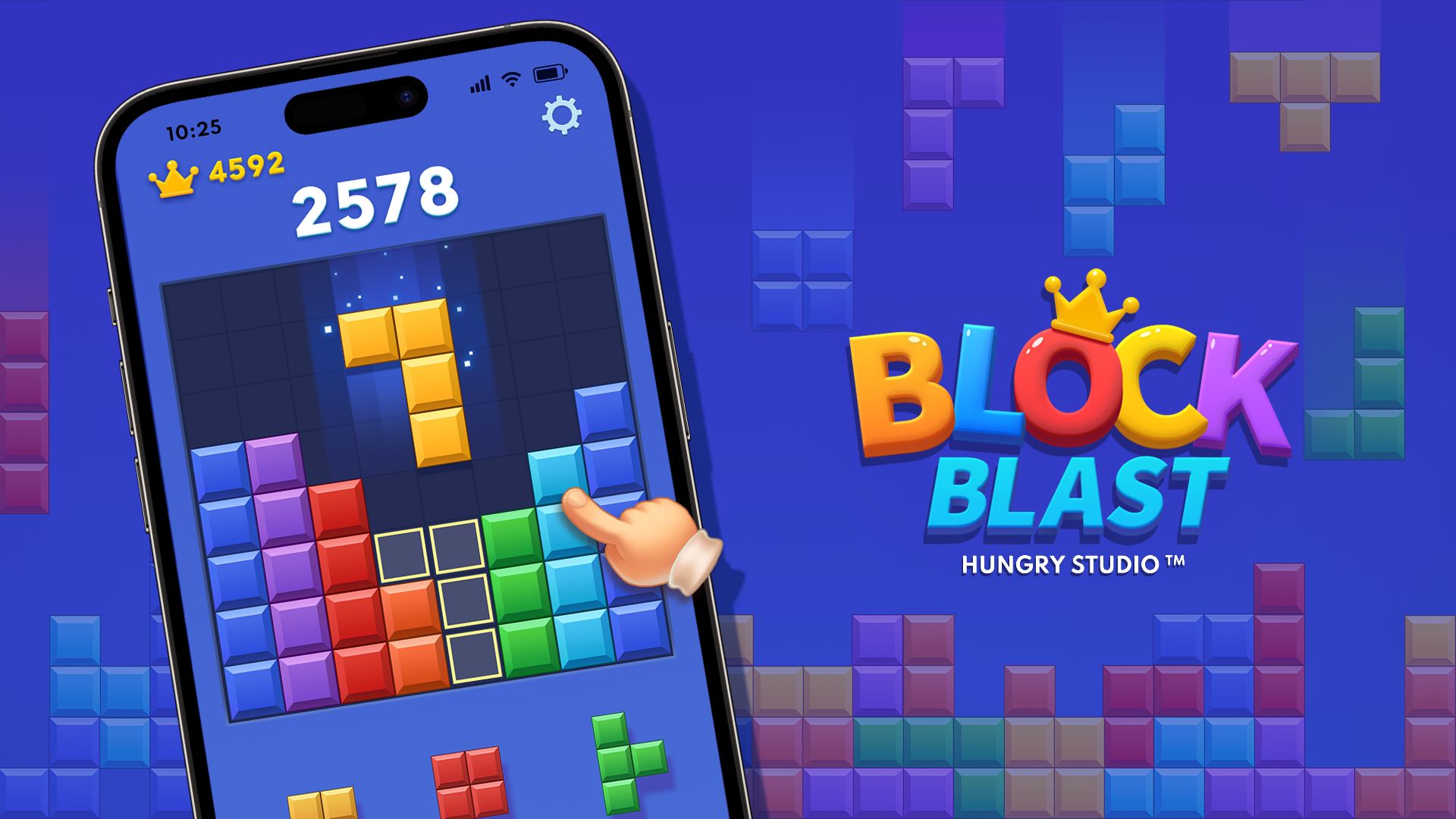
Block Blast allegedly adjusts difficulty to encourage players to watch advertisementsThe free puzzle game reportedly generated $127 million from advertising in five monthsHidden gameplay mechanisms may turn player frustration into advertising revenueA developer known as Ayoships has reverse-engineered the code of Block Blast, a puzzle app by Hungry Games, revealing deliberate tricks that push players toward ads.The app costs nothing to download, yet it earned close to $127 million from ads in five months from January through May 2026.According to the developer, the app allegedly adjusts its difficulty based on what each player is worth to the developers rather than the skill of that playerHow free games allegedly manipulate your patienceThe game's code reportedly contains mechanisms that assess players using data such as smartphone models, geographical locations, and previous ad interactions.These indicators can help estimate users’ purchasing power and ad value, potentially influencing how the application manages their playing experience.Owners of expensive smartphones may be considered more commercially valuable than users with older, cheaper devices.Similarly, geographical information can provide clues about average consumer income, helping ad systems estimate which audiences might generate greater returns.Sign up to the TechRadar Pro newsletter to get all the top news, opinion, features and guidance your business needs to succeed!The reported techniques extend beyond identifying potentially valuable advertising audiences.One mechanism used by the game is “Boost then kill,” which reportedly makes a round easier before introducing greater difficulty.This sequence can encourage players to believe they are performing exceptionally well, motivating them to continue playing rather than abandon the game.According to the investigation, gameplay can suddenly become exceptionally difficult, encouraging players to watch a video ad in exchange for another attempt.This approach connects frustration directly to ad revenue by making continued progress appear dependent on accepting an ad offer.The game reportedly includes additional mechanisms that secretly increase scores, making ad-related rewards appear more valuable than they otherwise might.References in the code include “reward,” “bait,” and “moreCleanSuccessRound,” the latter reportedly describing an easier round designed to build confidence.If these mechanisms operate as described, players may struggle to distinguish genuine achievements from software adjustments intended to influence their decisions.Advertising revenue drives concerns about deceptive game mechanicsBlock Blast illustrates the concerns surrounding ad-supported games when commercial incentives potentially influence difficulty, rewards, and progression.Free access does not necessarily mean users pay nothing, since their attention and viewing time can become valuable sources of income.Optional advertisements offering extra lives or additional attempts are common in mobile gaming.However, deliberately increasing frustration to encourage ad consumption raises different ethical questions.Ayoships develops AI-powered mobile applications himself; therefore, independent verification is important when assessing his interpretation of Block Blast’s code.The available findings do not establish how frequently the alleged difficulty adjustments occur or whether every player experiences the same treatment.They also leave open whether the mechanisms respond automatically to advertising opportunities or follow other conditions built into the software.These distinctions matter when determining whether the observed behaviour constitutes deliberate manipulation rather than ordinary gameplay balancing.Via minimachines Follow TechRadar on Google News and add us as a preferred source to get our expert news, reviews, and opinion in your feeds.
The dark side of 'free' mobile games — how developers reverse-engineer your patience to milk ad revenue
Full Article
Original Source
Read the full article at Techradar →KhanList aggregates and links to publicly available news content. We do not host full articles from third-party sources. Always verify important information with original sources.