
(Image credit: Future) It's that time of year again. In the UK, clocks will fall back one hour on Sunday, 25th October 2026.The clock change is becoming a heated issue, with many opposed to falling back and spring forward. Some sleep experts note the sudden shift negatively disrupts our circadian function... but others say changing with the sun can instead keep your body clock aligned to natural rhythm.Whichever side of the debate you stand on, one thing's for certain: the clocks will be falling back this weekend. Here's everything you need to know, including how to navigate the time change as smoothly as possible.When do the clocks change?The clocks change twice a year, to adapt to the changing seasons.In the UK, the next clock change takes place on Sunday, 25th October 2026. This moves the country from British Summer Time to Greenwich Mean Time.This clock change adds an extra hour to the night, meaning the sun will come up earlier. So if you've been walking around in darkness until 7 a.m., you'll start seeing daylight from 6 a.m.The clocks won't change again until next spring, when we're set to lose an hour of sleep on 28th March, 2027.Get instant access to breaking news, the hottest reviews, great deals and helpful tips.What time is the clock change?The clock change takes place in the middle of the night, to avoid as much disruption as possible. At 2 a.m., the clocks fall back one hour to 1 a.m.Most people will sleep straight through this, although you might have some confusion if you wake up in the middle of the night. However, night owls, shift workers, and anyone enjoying a night out should stay alert for the time change.Why do the clocks change?The twice yearly clock changes keep working hours and daylight hours better aligned. As mornings get darker in winter, falling back ensures the sun rises when most are heading to work or school. And as the days get longer in spring, time leaps forward to make sure the sun won't wake you up at 4 a.m. (Image credit: Getty Images)The clock change was officially adopted during World War I, in an effort to save fuel and increased productivity. Post war, it's been abandoned and reintroduced several times, whether to negotiate an oil crisis or approve alignment with other time zones.However, since the mid-1970s both the US and UK have consistently observed the clock change... ish.How does the clock change impact our sleep?The autumn clock change gives you an extra hour in bed. On the face if it, that's a dream. However, much like jet lag, the jump in time zones can have a significant impact on your health and wellbeing.“An hour might not sound like a big change, but our bodies don’t work according to the clock on the wall," explains Dr. Zoe Williams, NHS GP and Dreams’ Resident Sleep Expert. "We get used to waking up, eating, winding down and going to sleep at certain times." (Image credit: Future)"When those suddenly shift, it can take a little while for our internal body clock to catch up."1. You feel tired at the wrong time of day"Following the clock change, some people may find themselves feeling tired earlier in the evening, waking earlier in the morning or even experiencing a dip in energy or concentration while their body adjusts," explains Dr. Williams.She also notes the darker evenings can take some time to adjust to, and this may "affect how alert or energized we feel later in the day."After the spring clock change, it's the opposite. The lost hour means you're waking up earlier, which can lead to some groggy mornings and lingering sleep deprivation.2. You feel out of syncDr. Williams notes that following the clock change, you might feel things are "out of sync". The sudden adjustment to your routine muddles your habits and sleep patterns, leaving that strange sensation that something's not quite right.An hour might not sound like a big change, but our bodies don’t work according to the clock on the wallDr. Zoe WilliamsThe shift in light also plays a role here. If you've been used to the late afternoon sunshine, the new darker days can throw off your perception of the day.“When the clocks go back, the earlier onset of darkness can cause your body to start producing melatonin, potentially making you feel sleepy earlier than usual. This shift can leave you feeling out of sync as your body adjusts to the new schedule," says Dr. Tim Mercer, NHS GP Partner & GP Trainer with Opera Beds.3. You're waking up earlierThe clock change isn't all bad. Particularly in autumn, when you get to spend an additional hour in bed.“If you’re someone who regularly doesn’t get quite enough sleep, the clock change can be a nice opportunity to give yourself a little more time in bed," says Dr. Williams. "As long as you don’t automatically use that extra time to stay up later." (Image credit: Future)Dr. Mercer notes that the clocks going back can feel like a "small perk," thanks to that extra hour spent relaxing."It’s an adjustment that many people cope well with. As the clock change falls on a Sunday, it can set us up well to head back to work on a Monday," he says. Follow Tom's Guide on Google News and add us as a preferred source to get our up-to-date news, analysis, and reviews in your feeds. Ruth is an experienced Senior Staff writer at Tom’s Guide, covering all things sleep and mattresses. She writes to help people sleep better, from how-tos to the latest deals to mattress reviews, and has interviewed an array of experts who share her passion. She is also our specialist on memory foam — she’s flown around the world to see memory foam being made — and leads our hotel mattress content. She has a deep interest in the link between sleep and health, and has tried enough mattresses, from Helix to Nectar to Simba, to know the right bed really can make a difference to your wellbeing. Before joining the team at Tom’s Guide, Ruth worked as a sleep and mattress writer for our sister website, TechRadar.
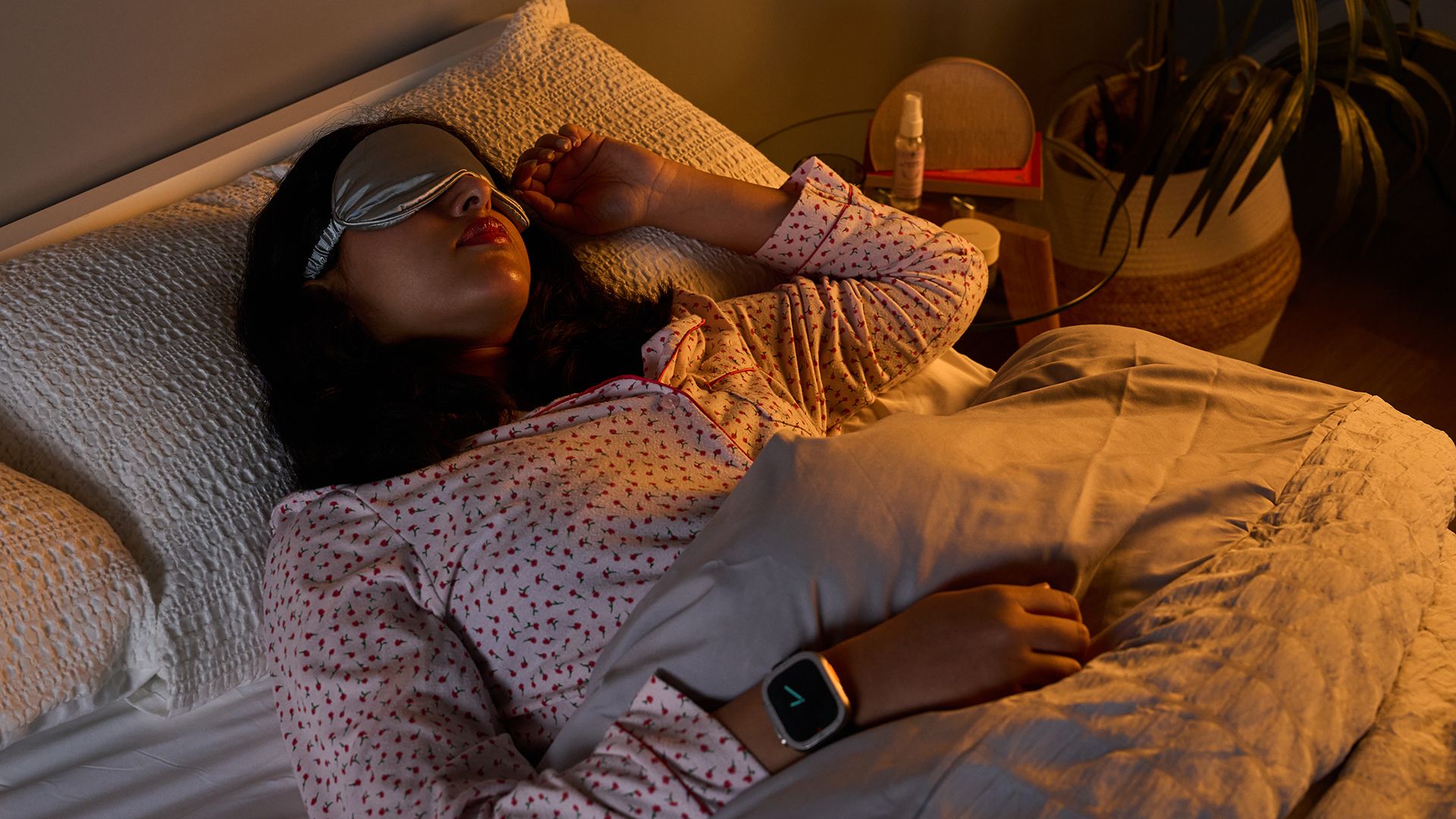
The clocks go back at 2 a.m. this Sunday — 3 ways your sleep will change, experts reveal
Full Article
Original Source
Read the full article at Tomsguide →KhanList aggregates and links to publicly available news content. We do not host full articles from third-party sources. Always verify important information with original sources.