
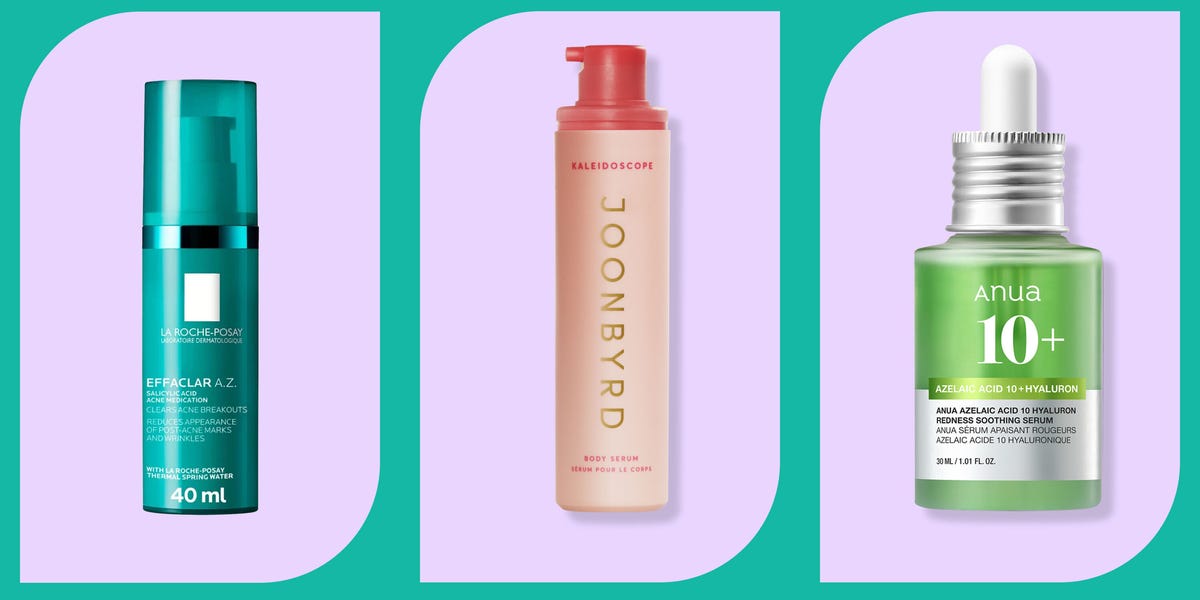
5 min readAs our resident beauty editor with acne-prone, reactive skin, I’m no stranger to zits, redness, and skin flare-ups. So when my dermatologist suggested I give azelaic acid a shot, I was curious about what this ingredient does and how it can help my skin. Turns out azelaic acid is the ultimate gentle multitasking ingredient. “It won't love bomb you like a strong exfoliant that makes your skin look radiant right away but then disrupts your barrier—it’s more of a slow burn,” says dermatologist Kiran Mian, DO, of Hudson Dermatology and Laser Surgery. Azelaic acid helps reduce inflammation, prevent pore clogging, and slow pigment production to address my skin concerns. It also helps treat rosacea and sensitive skin, according to the four dermatologists I spoke with. Before adding the ingredient to your routine, here’s what experts say to consider, ranging from concentration and formulation to complementary ingredients.Best Azelaic Acid Products of 2026Best Overall: La Roche-Posay Effaclar A.Z. GelBest Budget Buy: The Ordinary Azelaic Acid Suspension 10%Most Amazon Reviews: Anua Azelaic Acid 10+ HyaluronBest of K-Beauty: Medicube Azelaic Acid 10 Soothing SerumMasks Redness: The Inkey List SuperSolutions Azelaic Acid 10% SerumWhat to ConsiderCan I Use Azelaic Acid?Azelaic acid is generally well-tolerated even if you have acne, rosacea, or hyperpigmentation, says dermatologist Connie Yang, MD. It’s a great option for sensitive skin and useful if you break out from stronger exfoliants, says Dr. Mian. She also calls it her go-to option for pregnant women struggling with acne, melasma, or rosacea. The New York-based dermatologist even incorporates the ingredient into her routine and has noticed significant improvement in skin clarity, tone, and radiance.The American Academy of Dermatology reports that azelaic acid is safe during pregnancy, citing an animal study that found no harmful effects on fetuses and newborns, even at high doses. If you’re pregnant or still cautious about adding new azelaic acid products to your routine, consult your doctor for peace of mind.While mild, if you have a severely compromised skin barrier where even gentle actives can cause stinging or irritation, azelaic acid might not be for you, says Dr. Yang. You might also notice a slight stinging sensation when first applied, but it’s usually mild, fades quickly, and lessens with continued use, says Dr. Mian.What Concentration of Azelaic Acid Should I Use?Over-the-counter products typically contain a maximum concentration of 10 percent azelaic acid, says dermatologist Nicole Ruth, DO. Prescription formulations typically contain 15 to 20 percent. However, a higher concentration doesn’t guarantee better results. Dr. Ruth’s patients with sensitive skin tend to tolerate a 10 percent concentration, while those with melasma and rosacea may benefit more from a higher dose.Does the Formula Matter?Absolutely. “The vehicle [serum, cream, gel, etc.] can be almost as important as the percentage because it affects penetration, tolerability, and whether you enjoy and tolerate using the product,” says Dr. Ruth.Let your skin type determine which formula is best. Oily and acne-prone skin will benefit from lightweight gels and serums. Are you dealing with dry or sensitive skin? Opt for an azelaic acid cream. Foams are considered cosmetically elegant because they’re airy and spread easily, says Dr. Ruth.What Other Ingredients Should an Azelaic Acid Product Contain?Your azelaic acid serums, gels, and creams might contain other standout ingredients to help support your cosmetic goals. For example, niacinamide supports the skin barrier and helps calm redness, while salicylic acid helps treat acne-prone skin. Meanwhile, ceramides hydrate dry and sensitive skin, and vitamin C brightens dull skin and dark spots.How We ChoseAs our beauty editor, I’m always hunting for the best products and spending a lot of my time testing and reviewing the latest launches. I frequently consult skin experts, which is exactly what I did to kick off my selection process here. I chatted with four dermatologists about how to shop for azelaic acid products. As a quick reminder, this includes concentration, formulation, and complementary ingredients. Then I asked about their favorite product recommendations and pulled some from the Women’s Health beauty closet. Turns out, Dr. Ruth and I are big fans of the Joonbyrd Kaleidoscope Body Serum. These suggestions start at just $12 across my favorite beauty shops, including Amazon, Ulta, Sephora, and Dermstore. Regardless of which product aligns with your unique skincare needs and budget, this list contains expert-approved options worth your hard-earned coins.ProsInclusion of 1.2% salicylic acid to help treat acneMade with hyaluronic acidContains zinc to help minimize shineNon-comedogenicNice packagingConsMost ideal for oily, acne-prone skinKey SpecsConcentrationNot listedFormulationGelOther Standout IngredientsSalicylic acid, zinc, hyaluronic acidLa Roche-Posay is one of the most trusted skincare lines. The French brand makes some of my favorite sunscreens, and its thermal water mist is a beach bag essential. So when Dr. Yang called it one of her top picks, I tested it for two weeks.The La Roche-Posay gel is a great option for acne because it combines azelaic acid with salicylic acid, says Dr. Yang. After two weeks, I found my hormonal breakouts were less obvious, and my complexion looked more radiant by the end of my testing window.The impressive texture helped seal it as my top overall pick. The gel-cream consistency is lightweight and doesn’t leave a greasy residue. Dr. Yang especially likes that it pairs well with sunscreen and makeup—and I agree. Its ability to layer nicely with other products in my routine makes it a must-have for days I’m wearing foundation and blush.The potent ingredient lineup is also a major win for my oily, acne-prone skin. However, if you have sensitive skin or rarely experience acne, consider choosing another product on this list. This combination of azelaic and salicylic acids is probably more than you need.Read more: Red Light Therapy Eye MasksPros10% azelaic acid concentration for half the price of other alternativesOil-free cream complements dry and normal skinAlchohol- and fragrance-freeConsSkip if you don’t like cream-like consistenciesKey SpecsConcentration10%FormulationCreamOther Standout IngredientsDimethiconeWhen you only have $12 to spare, but don’t want to compromise on efficacy, consider The Ordinary. The brand is beloved by many for its range of affordable skincare products—and this cream is no exception.It’s fantastic if you prefer a no-frills azelaic acid cream. Not only does it help improve the appearance of rough skin texture and an uneven complexion, but it helps improve redness for less than the price of a Naya bowl.While effective, it does come with a potential trade-off depending on your skin type: it’s a thicker cream. You’ll love this one if you have mature, dry, or normal skin that needs extra moisture and TLC. However, it might feel a little too rich layered under your sunscreen and foundation. Still, for only $12, you simply can’t beat The Ordinary.ProsNon-comedogenic, making it helpful for acne-prone skinWorks with all skin types, especially for oily and combination skinConsSkip if redness is not your primary concernKey SpecsConcentration10%FormulationSerumOther Standout IngredientsCentella asiatica, hyaluronic acidIf you want an azelaic acid face serum backed by thousands of Amazon reviews, Anua is the one for you. It earned a casual 4.5-star average from nearly 6,500 Amazon reviewers. More than 5,000 of them were perfect 5-star ratings.This crowd-pleaser pairs azelaic acid with centella asiatica—sometimes called cica or tiger grass—to help target redness. It’s compatible with all skin types, but if you’ve got oily and combination skin you’ll especially love the featherweight feel. It combines nourishing ceramides with hyaluronic acid for moisture that won’t feel too heavy on oily skin. Anua is also non-comedogenic, meaning it won’t clog pores or cause pimples, making it a must-have for my fellow acne-prone women.ProsHydrating and long-lasting moistureCombines azelaic acid with niacinamideLightweight feelConsSkip if you don’t like a dewy finishKey SpecsConcentration10%FormulationSerumOther Standout IngredientsCica, panthenolAmazon is a treasure trove of Korean beauty products, including this azelaic acid serum. Unlike other acne treatments that leave your face dry, tight, and red, this one takes a mild approach. The gentle formulation leaves skin looking fresh and feeling hydrated. It combines azelaic acid with barrier-supporting ingredients, such as cica and panthenol. There’s also niacinamide to calm redness, smooth rough skin, and help keep pores clear.The texture is also impressive. It’s a thin serum that soaks in quickly and leaves your skin feeling hydrated and looking dewy before you apply glow-enhancing makeup. That said, you should probably skip this one if you don’t want your skin to look like a shiny disco ball in Ibiza by noon.ProsGreen tint helps camouflage rednessFast-absorbingNon-sticky formulaKey SpecsConcentration10%FormulationSerumOther Standout IngredientsAllantoinWhen redness is your main concern and you’ve only got $20 to spend, look no further than The Inkey List. Despite its tint, this recommendation won’t leave you looking like Shrek. Instead, the light green hue helps color correct a flushed complexion, while azelaic acid helps address redness.The fast-absorbing serum contains allantoin to help soothe skin, which is always a win, especially when you have sensitive skin. SuperSolutions also boasts a light texture that layers nicely under sunscreen and makeup. No pilling here!Truly, the only downside of this non-sticky face serum is that it comes in the most basic packaging. The simple squeeze tube is effective, but it’s not exactly anything noteworthy compared with the packaging from the more luxurious Joonbyrd and Allies of Skin. Still, at just $20 you get a solid formulation that helps target redness without breaking the bank.ProsIdeal for acne-prone, red, discolored, and rough skinFragrance-freeRecommended by Dr. MianKey SpecsConcentration10%FormulationSerumOther Standout IngredientsKojic acid, bakuchiol, squalane, licorice root, bisabolol, allantoinYes, nearly $100 is a lot to invest in a face serum, especially when there are other 10% formulation dermatologists like. However, Dr. Yang argues this one is a skincare overachiever. “The Allies of Skin serum is formulated with multiple brightening ingredients in an elegant vehicle, so it can effectively target pigmentation despite having a lower concentration of the azelaic acid,” she says. Notably, it contains 10 percent azelaic acid paired with 1 percent kojic acid to help exfoliate the skin and brighten dark spots.This serum also contains a slew of other effective ingredients, including squalane, licorice root, bisabolol, allantoin, and bakuchiol, a popular plant-based retinol alternative. Together they help improve dull complexions, rough textures, blemishes, clogged pores, and redness.The luxe formulation and packaging don’t hurt either. It’s free of pesky synthetic fragrances, sulfates, silicones, alcohol, and essential oils that might irritate sensitive skin. And the purple container looks stylish and feels slightly weighty in your hand for a sophisticated touch.At sub-$100, it’s hard to suggest this for someone who only wants to target the occasional breakout or very mild redness. However, consider it a must-have if you want to improve multiple concerns at once without purchasing separate products. It helps target persistent acne, hyperpigmentation, redness, and uneven skin texture.ProsDeveloped by dermatologist Alexis Granite, MDIdeal for keratosis pilaris (KP), which can cause the appearance of strawberry legsSulfate- and paraben-free formulaConsPricey, but there is a mini version for lessAzelaic acid isn’t limited to just your face. Joonbyrd’s body serum makes a compelling case for treating your body with the same TLC as your face.“I love this product for keratosis pilaris, uneven skin texture, and pigment,” says Dr. Ruth. “My patients who use this consistently see results in texture and redness in about a month,” she says.Dr. Ruth credits azelaic acid with brightening the skin, while the olfactory notes of sandalwood, vanilla, jasmine, peony, and cherry provide a luxurious aroma.I’m a huge fan of Joonbyrd products. Case in point: I recently named Moon Rinse one of the best body washes of the year, and the Hand Treatment won a Skincare Award. Kaleidoscope is a treat to apply. The pink serum rubs in clear and doesn’t sting or irritate my eczema-prone skin. If you’re dealing with hyperpigmentation from body acne or strawberry legs, this is one of the best options I’ve tried. After applying it twice daily, I noticed visible improvements after six weeks.The only downside with this azelaic acid body serum is that it’s pricey. However, it’s 100ml (more than 3.38oz) and lasts for several weeks before I need a reup. If the upfront cost is a bit spooky, that’s no problem: Joonbyrd makes a mini 15ml (0.50oz) version for $24 that won’t get confiscated by the TSA.Meet the ExpertsConnie Yang, MD, is a board-certified dermatologist practicing at PFrankMD in New York.Kiran Mian, DO, is a board-certified dermatologist practicing at Hudson Dermatology and Laser Surgery in New York.Kseniya Kobets, MD, is a board-certified dermatologist and the director of cosmetic dermatology at Montefiore Einstein Advanced Care in New York.Nicole Ruth, DO, is a board-certified dermatologist practicing at Weiser Skin in New York.FAQWhat is best to layer with azelaic acid?“Azelaic acid is one of the easiest active ingredients to build a routine around because it's compatible with almost everything,” says Dr. Yang. She loves combining it with vitamin C for pigmentation, tretinoin for acne and anti-aging, and niacinamide to support the skin barrier. It also pairs nicely with hyaluronic acid, ceramides, sunscreen, and other rosacea prescriptions like metronidazole and ivermectin, says Dr. Ruth.What should you not to pair with azelaic acid?While azelaic acid is gentle, you’ll want to be cautious about overloading your routine with too many exfoliating acids. “Not because azelaic acid is incompatible, but because your skin barrier can only tolerate so much,” Dr. Yang says. That means if you have sensitive skin and aren’t dealing with pimples (lucky you!), you may not need to pair it with salicylic acid or benzoyl peroxide, says Dr. Ruth. And if your skin can’t handle retinoids well, avoid using the two together.Which is better, vitamin C or azelaic acid?“Neither one is universally better—they solve different problems,” says dermatologist Kseniya Kobets, MD. Vitamin C is an antioxidant and brightener, while azelaic acid excels at treating acne, rosacea, and hyperpigmentation. The right choice depends on your skin concerns and how well you tolerate each ingredient. You don’t necessarily have to choose between them. “They're not an either-or—they're one of my favorite ingredient pairings because they target pigmentation through complementary pathways,” says Dr. Yang. Azelaic acid minimizes inflammation to help fade hyperpigmentation, while vitamin C guards the skin against oxidative stress to brighten existing discoloration.How often can I use azelaic acid?If you’re new to the ingredient or have sensitive skin, start with a pea-sized amount of product to your entire face once daily. Once your skin tolerates it well, slowly increase to twice-daily application, says Dr. Ruth.What happens if I use azelaic acid every day?For most people, daily use is actually the goal. Azelaic acid works best when applied consistently over time because it gradually reduces inflammation, decreases pigment production, and helps normalize the skin, says Dr. Yang. With daily use, you can expect fewer breakouts, less redness, a more even skin tone, and the gradual fading of post-inflammatory hyperpigmentation or melasma.Nicole Saunders is the beauty editor at Women's Health and has nine years of experience researching, writing, and editing lifestyle content. She specializes in breaking down complicated topics, like red light therapy for hair growth and LED face masks, into easy-to-understand guides. Saunders takes great pride in heavily researching and testing featured beauty products, such as strengthening shampoos and body washes for dry skin on our site. Previously, she was the beauty editor at Best Products where she tested quite literally thousands of launches for her quarterly column and the Best New Beauty Awards package. She also launched the beauty and wellness coverage at NBC News and contributed to CNN, Cosmopolitan, Billboard, The Hollywood Reporter, and Harper's BAZAAR. You can follow her on Instagram to stay in the loop on her product testing adventures.
The Best Azelaic Acid Products for Clear, Glowing Skin: Tested and Reviewed
Full Article
Original Source
Read the full article at Womenshealthmag →KhanList aggregates and links to publicly available news content. We do not host full articles from third-party sources. Always verify important information with original sources.