
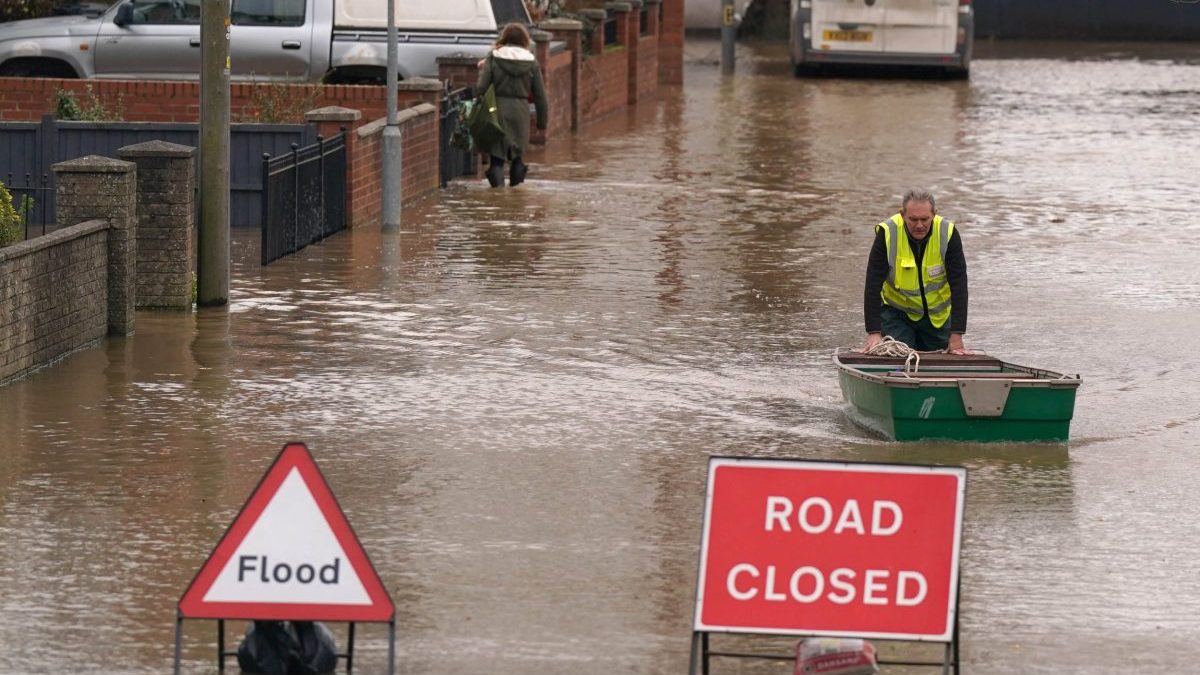
Sefton, Thurrock and Hackney are among the areas where households are most at risk of flash flooding as El Niño increases the risk of wet weather this autumn. The Government is launching a new taskforce to prepare Britain for extreme weather, with an initial focus on preparing the nation for potential flooding this winter. It comes as the Met Office warns there is an increased likelihood of wetter than normal conditions across the country during the late autumn and early winter. Shorts This is in part due to the El Niño climate phenomenon, a periodic warming in ocean temperatures in the tropical eastern Pacific that affects weather patterns across the globe. Homes at increased risk of flooding A total of 6.3 million homes and businesses are at risk of flooding in England, according to the Environment Agency (EA). A total of 218,143 homes are at a high risk of flooding from rivers and seas, while 827,612 are at risk of surface water flooding. Surface water flooding happens when heavy rainfall overwhelms drains and sewers, leaving water with nowhere to go. It is the type of flooding most commonly associated with flash flooding, as water builds up quickly on roads, pavements and other low-lying areas, often with little warning. According to EA data, Sefton in Merseyside is the local authority with the highest number of properties at high risk of surface water flooding. A total of 29,596 (21 per cent) properties are at high risk. This is followed by Thurrock (22,736), Bristol (19,077), Hackney (18,176) and Haringey (15,248). Many London boroughs are at high risk of surface water flooding due to large areas of impermeable surfaces, such as roads, pavements and buildings. Meanwhile, East Riding of Yorkshire is the local authority with the highest number of homes at risk of flooding from seas and rivers (10,122), followed by North Yorkshire (6,589) and East Lindsey (4,964). The Met Office has said it is currently not possible to predict where in the country will be affected by flooding this year, but has warned of an increased risk. New taskforce and advice centre The Government is announcing a series of measures this week as part of Flood Action Week, including the new Flood and Drought Resilience Taskforce. The taskforce will meet on Wednesday led by floods and drought minister Emma Hardy with representatives from over 50 organisations, including the EA, Met Office, Fire and Rescue Services, farming and water industry. A new online advice centre – Flood Action Online – is also being launched to help people understand their home’s flood risk and take action to prepare. A target has been set to provide 200,000 properties with better flood protection up to 2028-29 via a range of measures, including flood defences and natural methods, such as rain gardens. Despite the flood warnings, over two thirds of England remains in drought following the exceptionally hot, dry summer. Flooding and drought can occur at the same time as drought does not end until there is a prolonged period of steady rainfall to refill reservoirs and rivers, while flooding can happen after a single extreme weather event. Climate change is increasing the likelihood of hotter, drier summers and milder, wetter winters in the UK, alongside more intense rainfall events. Hardy said: “This Government has ambitious targets and historic investment to support the country against severe weather. Our new Flood and Drought Resilience Taskforce will put communities and businesses at the heart of our defence plans, while our £4.2bn investment in new and existing flood defences will protect even more people over the coming years.”
The areas most at risk of flash floods as El Niño threatens millions in UK
Full Article
Original Source
Read the full article at Inews →KhanList aggregates and links to publicly available news content. We do not host full articles from third-party sources. Always verify important information with original sources.