
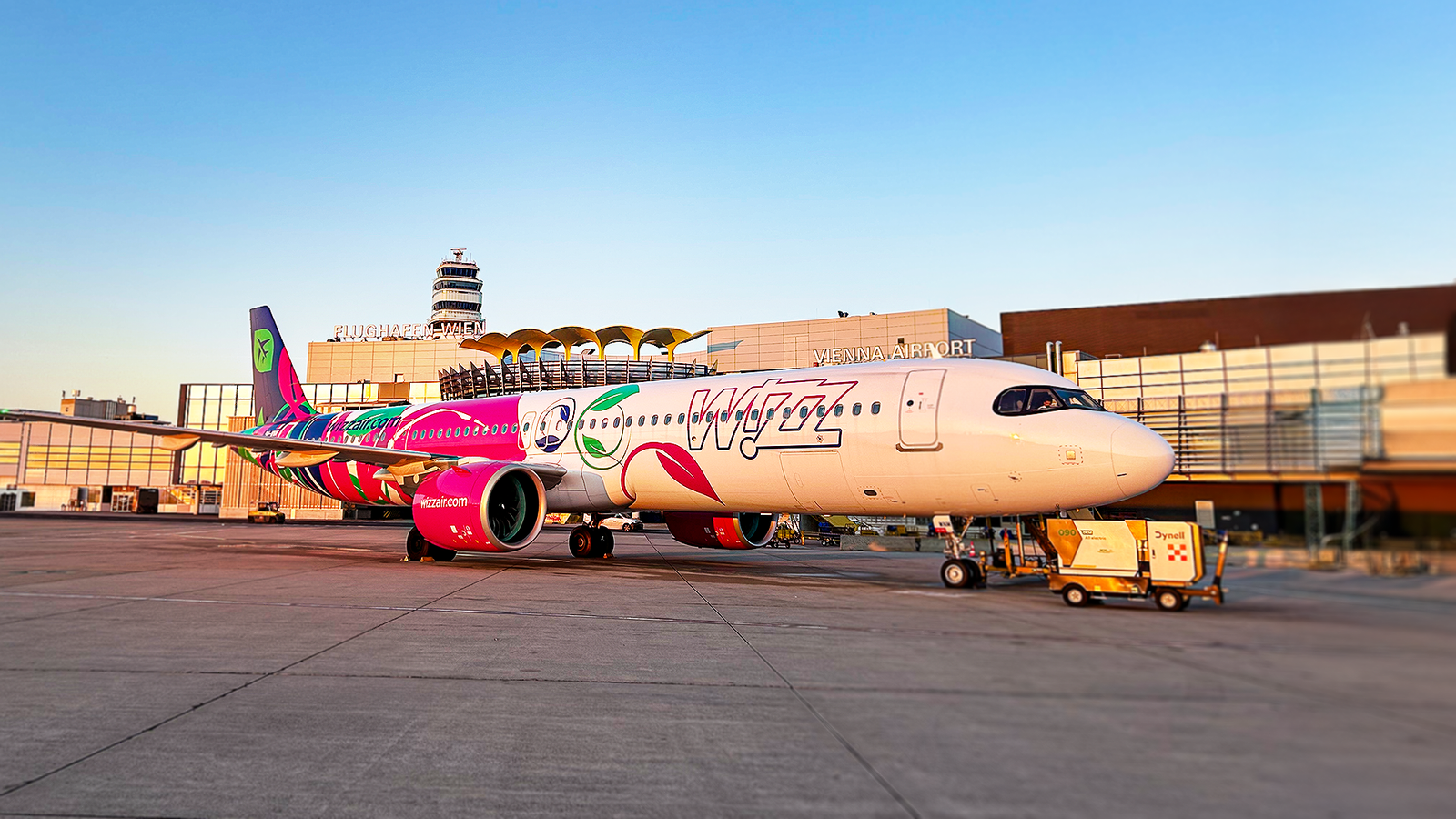
Published Sep 9, 2026, 5:00 PM EDT Based in the UK, Josh is a keen writer with a degree in Military History. Having worked previously as a financial journalist, he has covered the aviation industry extensively, reporting on airlines' results and monthly passenger statistics in the aftermath of the pandemic, alongside the likes of regulation around sustainable fuels, and the prospects for hydrogen-powered commercial flight. He joins Simple Flying with a lifelong love of all things aviation. Wizz Air epitomizes what an ultra-low-cost carrier looks like. Since being set up in September 2003, the Hungary-headquartered airline has rapidly grown an Airbus-only fleet, come to rely heavily on ancillary revenue, and focused on serving secondary airports, to name a few. All told, this close attention to its bottom line, combined with unbundled offerings, has allowed it to give passengers a no-frills experience in return for cheap fares. But Wizz has been forced to rethink elements of its business model in recent years. Higher fuel prices partly overshadowed impressive passenger growth in the first quarter of its latest financial year, pushing Wizz to a loss. Longer-term, the trend has been similar: Strong growth, but inconsistent profitability. Pratt & Whitney engine-related aircraft groundings have played no small part in this, and it is partly in Wizz’s response to the crisis that its strategy has strayed from that of a typical ultra-low-cost carrier. Pratt & Whitney GTF Engine Inspections Credit: Coby Wayne | Shutterstock Wizz, like many of its peers, has been grappling with the fallout from potential issues being discovered in Pratt & Whitney PW1100 series geared turbofan (GTF) engines. First flagged by the engine maker in July 2023, the “rare condition” in the powder metal used in the powerplants meant possible contamination of high-pressure turbines and compressor disks that would leave them prone to premature cracking. As such, accelerated inspections were required. It transpired that engines built between 2015 and 2021 would need to be checked during hundreds of additional shop visits. That meant being removed from jets, stripped down, and fixed if required — a process that could take anywhere between 250 and 300 days. This was anticipated to ultimately stretch to over a thousand of the units, themselves used on the Airbus A320neo family, Airbus A220, and Embraer E2. So for airlines like Wizz, where such narrowbodies made up a significant proportion of the jets on their books, lengthy groundings of large parts of fleets were to become commonplace. Fast-forward to today, and the saga is yet to be fully resolved. Wizz Air Still Grappling With Groundings Credit: Shutterstock Come late June of this year, 27 of Wizz’s aircraft were grounded due to GTF engine-related inspections, according to the airline’s first quarter figures. This was down from 41 a year earlier, and a peak of 60 previously, based on data from aviation market intelligence firm CAPA. While an improvement, Wizz noted the process was expected to leave between 15 and 20 of its aircraft out of action by the end of its current financial year. Only come the end of the 2027 calendar year was the figure forecast to hit zero, it added. Whether that timeline is met, time will tell. Either way, it would mean over four years of disruption since Pratt & Whitney first publicly disclosed the issue. For Wizz, an ultra-low-cost carrier where high aircraft utilization is key, that is a long time to go without a full fleet of jets that would each otherwise typically be put to work carrying multiple services a day. Wizz Air fleet as of June 30, from first quarter results: Aircraft Number Airbus A320ceo 24 Airbus A321ceo 40 Airbus A320neo 6 Airbus A321ceo 191 Airbus A321XLR 9 Total 270 Indeed, news most recently that groundings had more than halved from their peak showed that the worst appeared to be past for Wizz. That said, those 27 affected planes still equated to a tenth of its total fleet as of late June. It is unsurprising, therefore, that Wizz has been busy behind the scenes working to mitigate the impact of temporary engine losses. Wizz Air Stockpiling Spare Engines Credit: Shutterstock Where ultra-low-cost operators typically emphasize keeping the assets on their books, working as hard as possible for as cheaply as possible, Wizz has opted to go down a different path. Plagued by groundings, the airline has actually been spending heavily on stockpiling spare GTF engines, albeit with the backing of compensation from Pratt & Whitney. The thinking behind this is simple: While there was a risk of spares ultimately ending up in storage and so not generating revenue for Wizz, their availability would effectively offer insurance against the likes of GTF-inspection-related groundings. Without spares, any aircraft with engines that required checks fell out of service. With spares, those could remain active while the original power units went through the process. Overall, Wizz aimed to have built a pool of around 100 spare engines by the start of this summer, it said in interim results last November. Commitments covering 2025 to 2028 for 61 GTF NEO engines worth $1.4 billion were laid out at the time. Following the delivery of 16 of these, figures in March’s full-year update showed these commitments totaled $1.0 billion for 45 of the spares to be bought by 2028. In other words, Wizz was far from just buying spare engines for those aircraft currently grounded, but instead building a larger stockpile to fall back on in the future if needed. Wizz’s Spare Engines Part Of Future-Proofing Credit: Shutterstock This is part of a wider attempt at stabilizing operations. Alongside hoarding spare engines, Wizz has tweaked its order book with Airbus and begun selectively selling some newly delivered planes over the past year. The result will be slower than originally intended capacity growth over the coming years, but at a “more sustainable and profitable” level. Namely, the agreement with Airbus disclosed in November saw 88 deliveries previously scheduled for 2030 pushed back to 2033, and commitments for longer-range Airbus A321XLRs cut from 47 to 11. The total 273 aircraft-strong order book with Airbus would remain, though, with the 36 undelivered A321XLRs converted to Airbus A321neo models. In the same month, selective sales saw three new A321neos delivered and immediately passed on to a lessor for use by another airline. Wizz Air’s planned fleet development after Airbus agreement: Aircraft/Number at financial year-end 2026 2027 2028 2029 2030 2031 2032 2033 Airbus A320ceo 26 13 3 3 3 3 3 1 Airbus A321ceo 40 29 14 - - - - - Airbus A320neo 6 6 6 6 6 6 6 3 Airbus A321neo 183 211 238 280 315 342 365 368 Airbus A321XLR 7 11 11 11 11 11 11 11 Fleet total 262 270 272 300 335 362 385 383 These decisions have been made against the backdrop of rapid expansion by the airline, but in the absence of consistent profitability — a situation by no means helped by persistent GTF-engine-related groundings and other shocks since. Wizz Tackling Cost Pressures Credit: Shutterstock Wizz’s latest quarterly update laid bare the challenges facing both the airline and the wider industry today. Passengers carried in the three months to the end of June jumped by over 25% year-on-year to 21.2 million as capacity surged. Revenue edged up by 6% to €1.5 billion ($1.7 billion) in the meantime, aided by 1% and 11% increases in ticket and ancillary sales respectively. Profitability took a plunge, however, with operating income falling from €27.5 million ($32 million) in the first quarter of last year to a loss of €183.3 million ($213 million) this time around. A 39% increase in fuel expenditure to €610.5 million ($709.4 million) due to the Iran war, as well as higher costs associated with returning older aircraft to lessors as new models arrived, played a large part. For an ultra-low-cost carrier relying heavily on low fares and tight margins, however, shocks such as this recent surge in fuel prices can make for a real headache. It is in that context that Wizz has dampened plans for growth longer term and been focusing on strengthening its core European network, including by cutting routes to the Middle East that would have been served by the cut A321XLR order in the future. As chief executive József Váradi said in the update: “This supports higher sector productivity, creates more attractive schedules for customers, improves network integrity, and delivers incremental growth at a lower cost.” All these factors go hand in hand with the ultra-low-cost carrier model. Similarly, its move to buy up spare engines will offer another means of weathering shocks going forward. Not Just Wizz Air Hoarding Engines Credit: Shutterstock Wizz is not alone in hoarding spare power units. Ryanair, its closest rival, last year penned a deal with CFM for 30 new LEAP-1B engines at a list price of $500 million. This, it said at the time, would bring its pool of reserves to over 120 units and bolster “operational resilience”. Again, despite a relentless focus on its bottom line, the additional cost of engines that might just end up in storage appeared a worthwhile trade-off for Ryanair if it meant a way of avoiding aircraft groundings in the event of any planned or unplanned power unit-related removals ahead. Given the strained nature of the aviation supply chain today, mitigating risks around extended shop visit times and scarce availability of parts have only become more important for airlines. This has increasingly left spare engines in an asset class of their own, something clearly highlighted through Wizz’s own experience in recent years. In Váradi’s own words: “If you really think about the level of disruption to the business and to what extent it has affected financial performance — on the cost side, on the revenue side, on the balance sheet — it’s been hugely, hugely disruptive [...] What you invest today is going to benefit you tomorrow through maturity.”
The Airline Hoarding 100 Jet Engines & Changing What A Budget Carrier Actually Costs
Full Article
Original Source
Read the full article at Simpleflying →KhanList aggregates and links to publicly available news content. We do not host full articles from third-party sources. Always verify important information with original sources.