
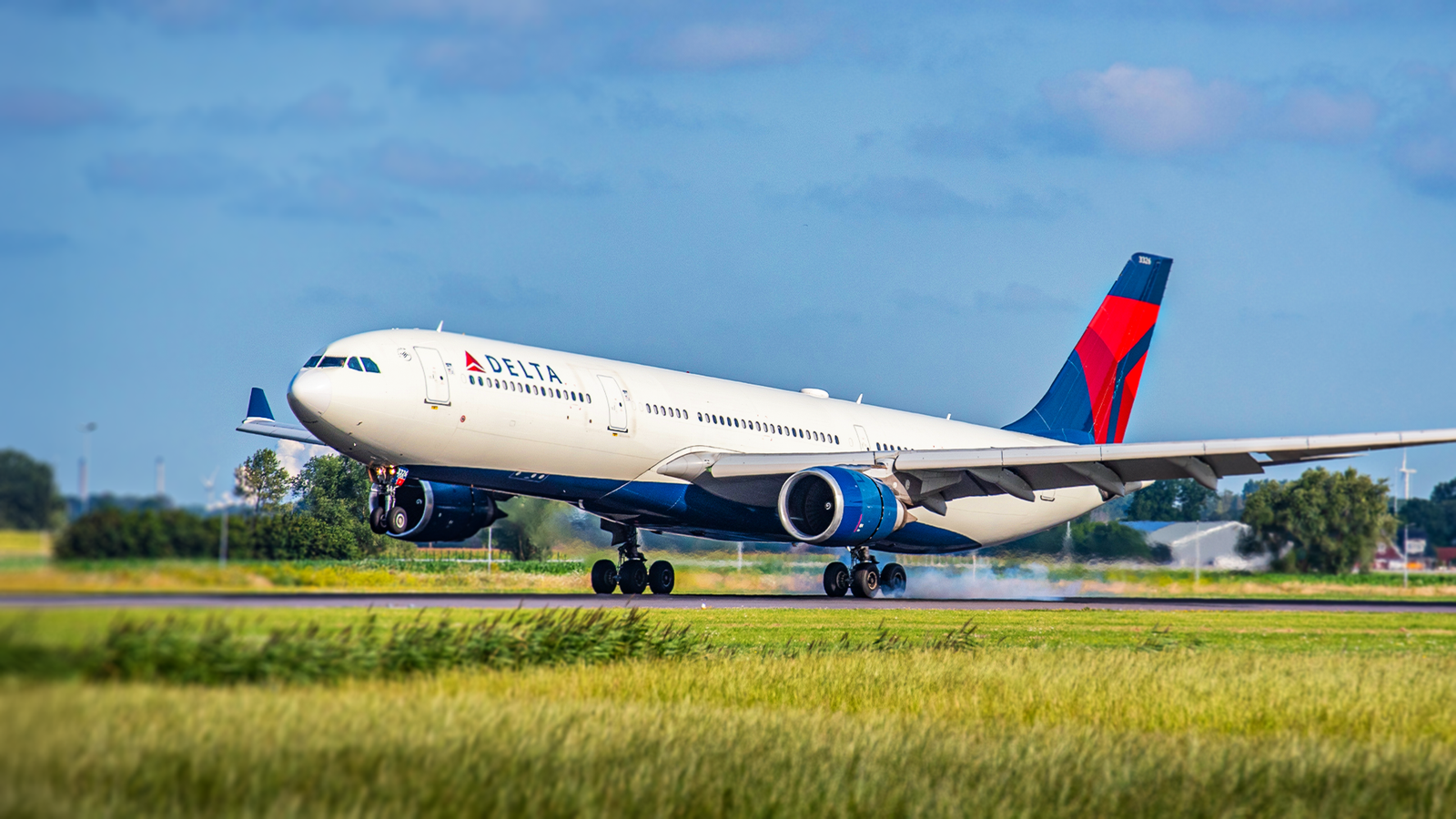
Delta Air Lines has not published a fixed retirement date for its 11 Airbus A330-200s, which average roughly 21 years of age, meaning no single overnight replacement jet will swap them out one-for-one. Instead, the carrier is lining up a multi-aircraft widebody transition led by the Airbus A330-900 and A350 family, including both the A350-900 and A350-1000, alongside broader long-haul fleet additions such as the Boeing 787-10. In early 2026, Delta reinforced that long-haul pipeline with a firm order for 16 A330-900s and 15 A350-900s scheduled to begin arriving in 2029, bringing total commitments to 55 A330-900s and 79 A350s, including 20 A350-1000s due from early 2027. At the same time, Delta plans to begin retrofitting its A330-200 cabins with enclosed Delta One Suites in 2027, signaling that these widebodies will remain active bridge aircraft before gradually stepping down. This guide breaks down the aircraft positioned to replace the A330-200, how the delivery timeline unfolds, and what lies in store for Delta Air Lines. A Multi-Stage Replacement Delta Air Lines operates 11 Airbus A330-200s within a long-range subfleet averaging roughly 21 years old. Configured with 223 seats across Delta One, Delta Premium Select, Delta Comfort+, and Main Cabin, these twin-aisle jets serve transatlantic and intercontinental corridors where smaller capacity and solid range fit thinner point-to-point demand. Despite their age, and unlike the carrier's Boeing 767-300ER fleet, which faces a targeted retirement window around 2030, Delta has not announced a public retirement date for its A330-200s. Rather than designating a single direct replacement, Delta is building a multi-type widebody pipeline backed by newer Airbus jets and supplemented by Boeing 787s. Its January 2026 firm order for 16 Airbus A330-900s and 15 A350-900s, paired with 20 options, lifts total fleet commitments to 55 A330-900s and 79 A350s. That A350 total includes 20 higher-capacity A350-1000s scheduled to begin arriving in early 2027, alongside a separate Boeing commitment for 30 firm 787-10s and 30 options slated from 2031. Within this lineup, the Airbus A330-900 stands out as the closest operational successor to the A330-200 in terms of operational profile and cockpit commonality, while the A350-900, A350-1000, and 787-10 form the broader widebody replacement and international growth. With these deliveries stretching from 2027 into the early 2030s, the A330-200 subfleet sits in a gradual fleet change and is not being retired abruptly. What Will Arrive Over The Coming Years? In the near term, Delta expects its first of 20 firm Airbus A350-1000s in early 2027, adding flagship capacity at the top of its long-haul network. The second major wave begins in 2029, when deliveries start from Delta's early-2026 firm order for 16 Airbus A330-900s and 15 A350-900s, followed by a third wave from 2031 as 30 firm Boeing 787-10s begin arriving, as reported by Travel Weekly. As noted in Simple Flying analysis, the older 767-300ERs, which average roughly 29 years old compared with 21 years for the A330-200s, sit at the front of the retirement queue ahead of a 2030 international exit target, so the A330-200s occupy a middle bridge window. Delta's plan to begin retrofitting its A330-200 cabins with enclosed Delta One Suites in 2027 reinforces that timeline, which makes sure the 11 jets stay commercially aligned on transatlantic routes while early A350-1000 arrivals relieve trunk capacity. Once the 2029 batch of 16 A330-900s and 15 A350-900s begins joining the fleet, Delta gains the dedicated mid-size and long-range widebody lift needed to retire early-generation A330s alongside the remaining 767s. That staggered sequence is the reasoning for why no hard 2027 or 2028 retirement date appears on the calendar for the A330-200s, even as their eventual replacement jets are already locked into the order book. A Clear-Cut Upgrade? Delta's A330-200s carry 223 passengers for over 7,000 miles (11,265 km), making them right-sized for thinner transatlantic and intercontinental routes where larger widebodies would struggle to fill seats profitably. The A330-900 can offer that same capability but improve upon it, with roughly 14% lower fuel burn per seat than earlier A330s, and a maximum range around 8,450 miles (13,600 km). It is important to note, however, that its 281-seat Delta layout is a step-up in capacity. Above the A330-900, the A350-900 and A350-1000 function more as upstream network relievers than direct substitutes on smaller A330-200 routes. Delta's incoming A350-1000s, configured with 101 premium seats across Delta One Suites and Delta Premium Select and capable of flying roughly 10,000 miles (16,100 km), target high-yield, ultra-long-haul markets, freeing A350-900s and A330-900s to take over mid-tier international flying. Meanwhile, the 787-10 adds high-capacity efficiency on core European and South American routes from 2031 onward. While its shorter ~7,310-mile (11,760-km) range and separate Boeing crew and maintenance profile set it apart from the A330 family, adding 30 firm 787-10s gives Delta another widebody lever to take on older Boeing 767 and A330-200 flying as the fleet modernizes. Not First In The Retirement Queue Commercial aircraft production slots for the A330-900, A350-900, and A350-1000 stretch across multi-year schedules, and any supply-chain delay in airframe or engine handovers will end up pushing back retirements. Keeping the A330-200 retirement window flexible allows Delta to match aircraft phase-outs against confirmed delivery arrivals rather than risk cutting transatlantic or intercontinental frequencies early. Fleet balance also places older 767-300ERs ahead of the A330-200s in the retirement queue. Because Delta's remaining 767-300ERs carry higher average airframe ages and face a targeted international retirement window around 2030, incoming widebodies first relieve pressure across those older Boeing routes. As newer A330-900s and A350s enter core transatlantic hubs, larger widebodies step up on trunk corridors while A330-200s continue covering thinner point-to-point markets until sufficient replacement lift accumulates. Investing in cabin retrofits further shapes how long the A330-200s remain active before stepping down. Delta's multi-year cabin modernization program, beginning on the A330-200 in 2027 with enclosed Delta One Suites, refreshed Delta Premium Select, and updated economy seating, extends the commercial viability of those 11 airframes during the transition window. Rather than grounding jets early or flying outdated interiors alongside brand-new widebodies, Delta uses targeted cabin upgrades to keep the aircraft at modern standards until later-decade deliveries allow a smooth retirement. The Route Schedules Tell The Deeper Story Delta's Airbus A330-200 transition unfolds over several years, which means cabin consistency is the most important factor for Delta going forward. While incoming Airbus A330-900s and A350s arrive from the factory with sliding-door Delta One Suites, Delta's nose-to-tail refurbishment program for 42 existing A330-200 and A330-300 airframes rolls out progressively, adding enclosed Delta One Suites, walk-up refreshment stations, 4K QLED seatback screens, and Bluetooth audio across cabins as the airline works toward putting sliding doors on 90% of its Delta One seats by 2030. Until that retrofit wave finishes, an A330-200 route can feature either the older open-suite layout or the updated suite interior depending on the specific tail assigned. Route deployment shifts also provide clear clues about how the replacement process is progressing on the ground. As early A350-1000 deliveries enter service from 2027, followed by the 2029 batch of 16 A330-900s and 15 A350-900s, Delta gains the flexibility to reassign mid-size widebodies across transatlantic, South American, and Hawaiian corridors while retiring older 767-300ERs toward its 2030 target. Seeing how equipment changes on mid-density European routes from hubs such as New York (JFK), Boston (BOS), Atlanta (ATL), and Minneapolis–St. Paul (MSP) unfold reveals more specifically where A330-900s are stepping into traditional A330-200 flying. With all of those milestones considered together, what may initially seem like an open-ended retirement timeline is actually a clear sequence of fleet signals. Between tail-number retrofit progress, 2027 flagship widebody arrivals, and the 2029 Airbus delivery wave, fleet watchers can see how Delta is using near-term cabin upgrades to help pave the way for long-term widebody replacement. Passing On The Torch Delta Air Lines is replacing its 11 aging A330-200s not through a single abrupt retirement date or one-for-one aircraft swap, but via a coordinated multi-aircraft widebody renewal. Led by the A330-900 as the closest mid-size successor and supported by incoming A350-900s, A350-1000s, and future 787-10s, the transition combines its next-generation fleet additions with targeted cabin retrofits to keep the A330-200 subfleet productive while older 767s step down first. Over the next several years, three concrete benchmarks will define how quickly the A330-200 bows out: the start of Delta One Suite retrofits on the A330-200 in 2027, the entry into service of Delta's first Airbus A350-1000s in early 2027, and the arrival of 16 additional A330-900s and 15 A350-900s beginning in 2029. Together, those milestones show how Delta is modernizing its long-haul fleet in stages, preserving capacity on thinner international routes today while positioning newer, more fuel-efficient widebodies to take over across the end of the decade.
The Aircraft Replacing Delta Air Lines' Airbus A330-200s
Full Article
Original Source
Read the full article at Simpleflying →KhanList aggregates and links to publicly available news content. We do not host full articles from third-party sources. Always verify important information with original sources.