
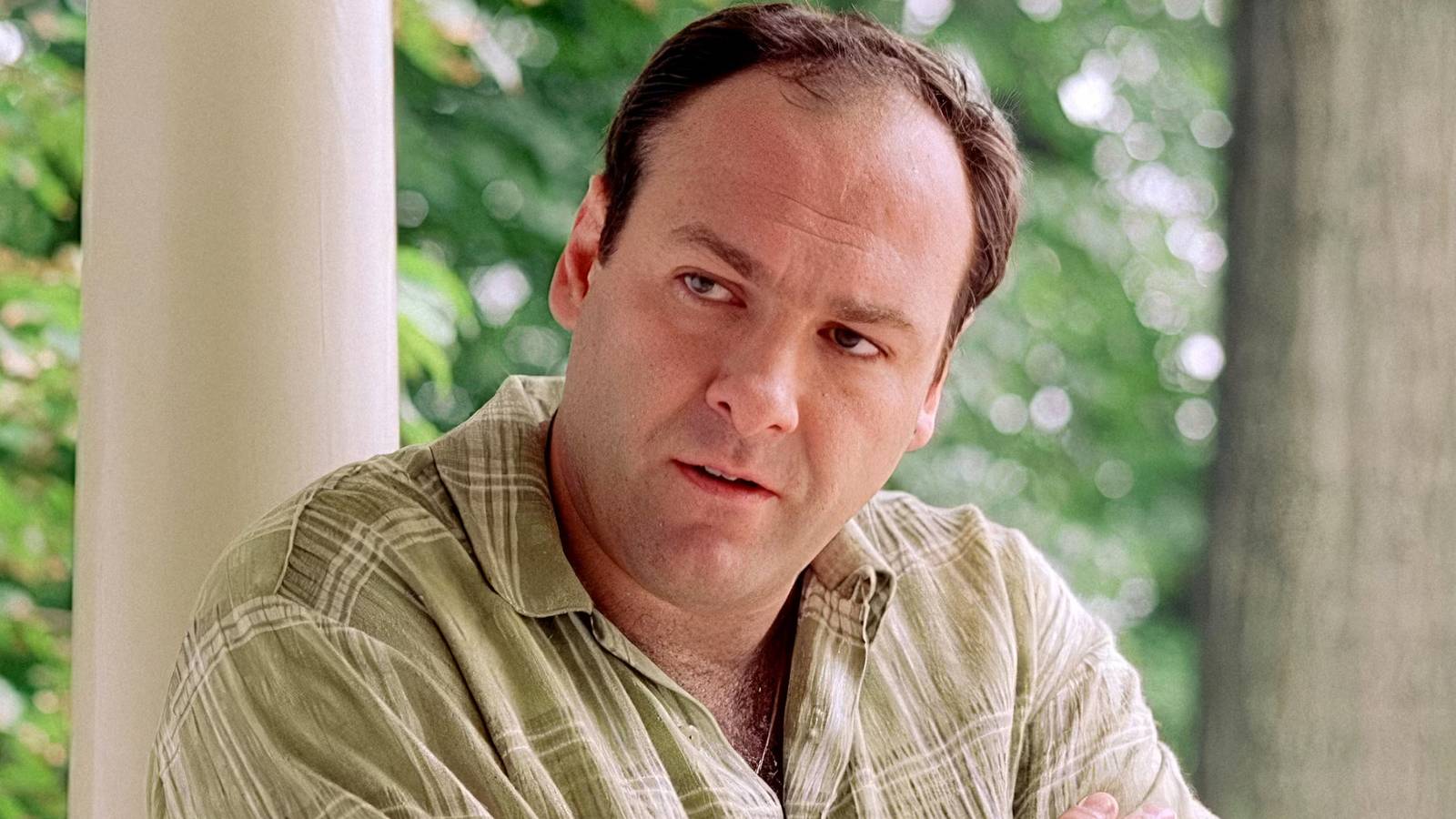
Image via HBO Published Nov 28, 2026, 10:39 AM EST Michael Block is a 14 time GLAM Award nominated writer, producer, and host of the podcast Block Talk. Throughout his time in the entertainment industry, he has worked on and off Broadway as a stage manager, written several produced plays, critiqued hundreds of theatrical performances, drag and cabaret shows, and has produced events randing from drag competitoons to variety concerts! On Block Talk, he interviews nightlife personalities, covers the wide world of entertainment through features, ranking episodes, and recaps ALL of Drag Race, as well as Dragula and Survivor. He has interviewed hundreds of RuGirls that span the globe at DragCon NYC, DragCon LA, and DragCon UK. In his free time, he makes one-of-a-kind jewelry and gift baskets with his mom. He is a proud member of the LGBTQ+ community. Sign in to your Collider account HBO has been a Mecca for extraordinary storytelling. As a place where risky narratives are more than welcome. But what makes a great television story is sensational characters. And in the 21st century, what’s better than a compelling anti-hero? The rise of the antihero centers on viewers’ desire to see boundaries pushed. These characters lack traditional heroic traits and instead act with moral ambiguity, flaws, or questionable methods while still driving the story and holding audience interest. They may have relatable motives, centered around trauma, addiction, ego, grief, or survival instincts. HBO excels at crafting antiheroes because the creative freedom and room for dark, morally ambiguous storytelling lead to brilliant characters that reshape narratives. The template began with The Sopranos and continues through today. The eight antiheroes on this list range from saloon owners to the Vice President, mob bosses to contract killers; these antiheroes have done it all! 8 Kenny Powers 'Eastbound & Down' (2009-2013) Image via HBO Even sports comedies can have an antihero! In Eastbound & Down, Kenny Powers (Danny McBride), an obnoxious, washed-up former Major League Baseball pitcher, is forced to return to his North Carolina hometown to work as a substitute middle school gym teacher. While constantly sabotaging his personal relationships, Kenny desperately schemes to stage an unlikely athletic comeback and reclaim his lost fame. Created by McBride, Ben Best, and Jody Hill, the four-season series showcases Kenny as arrogant, profane, impulsive, and self-destructive, yet fiercely determined and capable of rare moments of loyalty toward friends and family, making him a daring antihero. While dramatic anti-heroes often play like tragic kings, Kenny is a loud, lowbrow caricature of chasing fame, women, and power at everyone else's expense. Across four seasons, Kenny's pursuit of redemption and his on-and-off romance with high school sweetheart April Buchanon (Katy Mixon) take him from middle school gym class to independent baseball in Mexico, a return to the majors, a faked death, and eventually a quieter suburban family life before a stint on The Sports Sesh. McBride plays Kenny with zero apology, turning a foul-mouthed, self-destructive, washed-up pitcher into a sharp satire of unchecked ego and male fantasy. Kenny clings to the idea that his arm and bravado make him superior to everyone, making his delusion funny to watch. It's the self-destruction that continues to hold him back. Eastbound & Down functions as a character study of a deeply insecure guy terrified of becoming irrelevant or ordinary. It’s a relatable plight that makes him a character to continue to hope can find the strength to evolve. 7 Barry Berkman 'Barry' (2018-2023) Image via HBO A continuing trend on television is casting beloved comedians in gritty parts. Such was the case for Bill Hader in Barry. Created by Alec Berg and Hader, Barry is a dark comedy about Barry Berkman (Hader), a depressed Midwestern hitman, who travels to Los Angeles for a job and unexpectedly discovers a passion for theater after following his target into an acting class. As he tries to build a new life among eager performers, his handler, Monroe Fuches (Stephen Root), and violent criminal past continually pull him back in. Barry struggles with psychological trauma, guilt, and violent impulses while trying to convince himself he can become a good person through art, making him a unique character study as his pursuit of a normal life escalates into imprisonment, a prison break, years in hiding, and a reckoning with his past in Los Angeles. Barry emerges as a compelling antihero because he genuinely wants to change, yet repeatedly chooses violence to protect the new life he wants. The character blends dark comedy, military trauma, and moral blind spots in ways that subvert typical TV anti-hero arcs. Instead of leaning on slick coolness, Hader plays Barry with quiet tension, social awkwardness, and deadpan shifts between mundane acting notes and extreme violence. He doesn’t remain a lovable rogue; he steadily exposes the real human cost of his actions on everyone around him. He has internalized a disregard for human life. Barry is truly a fascinating character from a brilliant series. 6 Cersei Lannister 'Game of Thrones' (2011-2019) Image via HBO Let’s face it, lasting from Season 1 through Season 8 of Game of Thrones was truly a rarity. But every story needs a complex character who you love to hate. That woman was Cersei Lannister (Lena Headey). The hit fantasy drama follows several powerful noble families as they engage in a deadly war of political intrigue to claim the Iron Throne of the Seven Kingdoms. Of the many families fighting to power, the Lannisters not only sent their regards, but they drove the action as the antagonists. Standing steadfast at the forefront of the family was Cersei Lannister. She starts out as Queen Consort to King Robert Baratheon (Mark Addy) before becoming Queen Regent and eventually ruling as Queen of the Andals and the First Men. Driven by ambition, fear of a childhood prophecy foretelling her doom and the loss of her children, and intense devotion to her own children, Cersei is known for political manipulation, pride, and ruthless retaliation. Cersei straddles that line of villain and antihero. Her arc moves from scheming behind the throne and serving as regent to enduring public humiliation and losing her children, culminating in her seizing direct control of the Iron Throne and defending King's Landing. She can be called an antihero because even when she acts as a full-blown villain, her motives are practical. Raised as a bargaining chip by men like Tywin Lannister (Charles Dance) and Robert Baratheon, she fights for agency and refuses to accept powerlessness. Moments like enduring an abusive marriage or her public humiliation during the Walk of Shame create genuine, if fleeting, sympathy alongside her cruelty. Her paranoia, pride, and hunger for vengeance become her own self-fulfilling prophecy. Headey had a stronghold on breathing extraordinary vibrancy into Cersei. She can be vile, yet you feel for her. Especially in her final moments, which are truly a brilliant thematic bookend. 5 Nucky Thompson 'Boardwalk Empire' (2010-2014) Image via HBO One of the greatest period mob dramas of all time is Boardwalk Empire. Created by Terence Winter, the five-season drama follows Enoch "Nucky" Thompson (Steve Buscemi), a corrupt county treasurer who operates as both a powerful politician and a ruthless crime boss. As he controls the local illegal alcohol trade, Nucky must navigate dangerous alliances with infamous gangsters like Al Capone (Stephen Graham) and Lucky Luciano (Vincent Piazza) while fending off rival mobsters and federal agents determined to dismantle his criminal empire. As the story's central character, Nucky is a charming, charitable local politician popular with Atlantic City residents. Privately, he controls the city's criminal underworld. Over the course of the series, Nucky shifts from a shrewd back-room dealer who lets others handle violence to a harder, more ruthless figure as his alliances and family ties fray. Nucky blends political strategy, quiet control, and moral compromise while being forced to lean deeper into ruthless crime over time. Nucky relies on poise, charm, and negotiation rather than reckless outbursts, making his calculated control quite striking. His strategic foresight, being able to read shifting political winds is present to protect his turf. Though he shows moments of loyalty, generosity, and personal guilt, his choices, culminating in turning on people close to him, push Nucky steadily toward cold pragmatism. Buscemi plays Nucky with tightly understated intensity that makes his sudden move from affable dealmaker to cutthroat boss unsettling and compelling. 4 Selina Meyer 'Veep' (2012-2019) Image via HBO No political comedy will ever reach the heights of Veep. It’s literal perfection. Created by Armando Iannucci, the political satire centers on Selina Meyer (Julia Louis-Dreyfus), the U.S. Vice President who discovers the job is nothing as she expected. For seven sensational seasons, Veep follows Selina and her dysfunctional staff as they try to leave a lasting political legacy while constantly getting tangled up in petty power games, public blunders, and Washington, D.C. absurdities. Selina is driven by ambition, insecurity, and obsession with her public image. Thus, she frequently lashes out at subordinates and treats personal relationships transactionally. That includes her daughter Catherine (Sarah Sutherland) and her ex-husband Andrew (David Pasquesi). Instead of pretending to be a noble leader, she openly chases power, status, and legacy at almost any personal cost. An example of a perfect comedic antihero, Selina is the type of character who deserves everything she ever had handed to her. She combines grand political vanity with real-world blunders, panic, and pettiness, making her downfall feel earned rather than tragic. She combines ruthless self-interest and political ineptitude with biting satire and magnetic comedic timing. She treats her profession as a personal ladder rather than public service, sacrificing allies, family, and principles to stay relevant. What she has going for her is her ability to expose double standards in politics, including scrutiny over appearance, age, and motherhood, while weaponizing or ignoring feminism whenever it suits her. Louis-Dreyfus delivers rapid-fire insults and physical comedy that keep Selina watchable and funny even at her most toxic. But when isn’t she at that point? One might wonder if she’s a product of dysfunction, but the truth is, she is the head of the snake. 3 Al Swearengen 'Deadwood' (2004-2006) Image via HBO The debate for the greatest Western drama of all time often includes Deadwood. Created by David Milch, the three-season drama set in 1876 during the Black Hills gold rush follows the violent transformation of a lawless, corrupt South Dakota mining camp into an organized town. Based on real historical figures like former marshal Seth Bullock (Timothy Olyphant) and gunslinger Wild Bill Hickok (David Carradine), the series chronicles their fierce power struggles over gold, wealth, and survival in a frontier settlement devoid of legal order. If Seth was the good guy in town, the bad guy was Al Swearengen (Ian McShane). Serving as both a rival and reluctant counterpart to Sheriff Bullock, Swearengen is violent and calculating yet shows fierce loyalty to his inner circle and moments of grim humanity. Evolving from the proposed antagonist to a masterful antihero, Swearengen runs the Gem Saloon and brothel from Deadwood's early days as an unruly camp, using intimidation, bribery, and backroom deals to protect his turf and influence. Swearengen brings remorseless frontier criminality, fierce passion, sharp wit, and a growing sense of duty. While he does find himself becoming a moral center of the old guard as the new guard attempts to take over the hamlet, he still uses intimidation, bribery, and quick thinking to maintain control of the camp. Despite violent streaks, Al protects people close to him, such as Trixie (Paula Malcomson), Dan Dority (W. Earl Brown), Jewel Caulfield (Geri Jewell), and Doc Cochran (Brad Dourif), and values loyalty above all else. Moments like his mercy killing of the deteriorating Reverend Smith (Ray McKinnon) show a quiet empathy beneath his harsh exterior. While the show softened the real-life figure, McShane's mesmerizing performance made him a brilliant character. Between cursing through grand Western monologues and showing true grit as he commands a room, we love Swearengen because McShane made him an icon. 2 Omar Little 'The Wire' (2002-2008) Image via HBO Emerging as a great character on an ensemble show is no easy feat. But no one was quite as much of an enigma as Omar Little (Michael K. Williams). On David Simon's hit crime drama The Wire, the story examines Baltimore's narcotics trade through the perspective of both law enforcement officers and drug dealers. Across five fantastic seasons, The Wire broadens its focus to explore how systemic dysfunction in major civic institutions traps and compromises the individuals within them. Central to the story is Omar, a notorious stick-up man who makes his living robbing drug dealers rather than selling himself. Known for wearing a long duster, sporting a prominent facial scar, carrying a shotgun and handgun, and whistling "A-Hunting We Will Go," his role in the story is driven by survival, strategy, and vengeance. Collider Exclusive · Villain Personality Quiz Which Criminal Mastermind Would Be Your Nemesis? Lecter · Joker · Moriarty · Chigurh Four of the finest criminal minds ever put on screen. One of them would look at you and see something worth their time. Eight questions decide which one comes for you, why they picked you, and what they would want when they arrived. 🍷Lecter 🃏Joker ♟️Moriarty 🪙Chigurh MEET YOUR NEMESIS → 01 What would a criminal mastermind notice about you first? Great villains choose their opponents carefully. Something about you got their attention. AMy manners, and everything I am careful not to say. BThat I still believe people are basically decent. CThat I am clever, and quietly enjoy proving it. DThat I handle things myself, and always have. NEXT QUESTION → 02 How do they make first contact? The introduction tells you everything about what is coming next. AA polite letter. Beautiful handwriting. Quietly wrong. BSomething on fire, with a message left beside it. CA puzzle, left where only I would look. DNo contact. Just the aftermath, and a coin. NEXT QUESTION → 03 What do you actually believe about right and wrong? Every nemesis is really an argument about the thing you believe most. AThere are lines. Mine are private and absolute. BRules are the only thing keeping us from being animals. CMorality is a system, and systems can be solved. DThings happen. Most of it was never up to me. NEXT QUESTION → 04 What finally gets under your skin? Everybody has a pressure point. Finding yours is the whole plan. ABeing seen clearly by somebody I cannot read. BWatching good people do something ugly. CLosing to someone who was simply better prepared. DHaving no move left that changes anything. NEXT QUESTION → 05 They have made their move. How do you fight back? This is the part of the film where the audience finds out who you are. ACarefully, and never where they expect to be touched. BLoudly. I would rather lose than play their game. CWith a better plan. I can out-think this. DDirectly, once, with whatever is closest to hand. NEXT QUESTION → 06 What would they use against you? A good villain never brings a weapon you have not already handed them. AMy privacy. I have kept far too much to myself. BMy conscience. I will not cross the line they want. CMy ego. I cannot resist a worthy opponent. DMy certainty that I can handle it alone. NEXT QUESTION → 07 What do they actually want from you? The money is never the point. Something else always is. ATo understand me better than anyone ever has. BTo prove I am no better than they are. CTo finally be beaten by someone worth the trouble. DNothing at all. I stepped into the wrong path. NEXT QUESTION → 08 How does it end between the two of you? Eight questions in, this is the one that decides who comes for you. AA conversation I will be replaying for years. BA choice forced on me that has no clean answer. COne final move, and the better mind wins. DA coin in the air, and nothing I can say. REVEAL MY NEMESIS → The Case File Is Complete Your Nemesis Is…Four criminal masterminds. One of them was always going to be yours. Here is who comes for you, why they picked you out of everyone available, and what they want from the encounter. Hannibal LecterYour nemesis does not want to beat you. He wants to know you completely, and he is patient enough to wait for it. The frightening part is how good the conversation is. Lecter is the most dangerous kind of opponent: the one who finds you interesting. He never raises his voice, because he has never needed to. You keep a great deal to yourself and you are careful about what you show. That reserve is exactly the door he would knock on. The films understood something other thrillers missed. The horror is not the violence. It is being perfectly understood by the wrong person. He would be unfailingly polite about all of it. That is the worst part. The JokerYour nemesis is not after money, territory or revenge. He is after a demonstration, and you are the person he has chosen to prove his point on. The Joker only picks opponents who believe in something. Your decency is not a defence against him. It is the entire reason he showed up. He has no plan you can predict and nothing you can take away, which removes every tool you would normally reach for. His whole argument is that you are one bad day away from being him, and you would spend the rest of your life proving him wrong. He would call it a magic trick. You would call it the worst night of your life. MoriartyYour nemesis respects you, which sounds flattering until you work out what it means. He chose you because nobody else was worth his time. Moriarty is the original criminal mastermind, the template every later one borrows from: a mind the equal of the hero's, pointed the wrong way. You enjoy being the cleverest person in the room. He is counting on exactly that, and he has already built the room. This is the rare nemesis who would be genuinely disappointed if you lost badly. He needs the game to be worth playing. It ends the way these things always end. Two people, one problem, and only one way down. Anton ChigurhYour nemesis has no personal interest in you whatsoever, and that is precisely what makes him unsurvivable. You are not a rival. You are a stop on the way. Chigurh does not negotiate, gloat or explain. He arrives, he asks one question, and the answer was decided long before you opened your mouth. You trust yourself to handle things. He is the one problem in the world that has no interest in how capable you are. No Country for Old Men rewrote the screen villain by removing the thing audiences quietly rely on: the sense that talking might work. Call it. He will wait. ↻ RETAKE THE QUIZ Omar operates by a strict personal code. He avoids profanity and refuses to harm uninvolved citizens who are not part of the drug game. But, at the end of the day, he is still a criminal. One of the boldest aspects of the character is that he is openly gay in an environment where that is not only rare, but it can be extremely dangerous. Omar blends a Western energy with vulnerability, empathy, and an unapologetic presence. He is a strategic genius. Rather than rely on brute force and presence alone, he scouts locations, studies routines, and anticipates his targets' every move. What makes Omar so fascinating is that he is a proud walking contradiction. He is terrifying, yet gentle. He's emotionally layered. He will challenge powerful syndicates like the Barksdale and Stanfield organizations while avenging harmed loved ones like Brandon Wright (Michael Kevin Darnell) and Butchie (S. Robert Morgan). Williams' performance was exceptional. He infused dry humor and grounded realism into a character slated only to appear in seven episodes. Fortunately, that changed, and the rest is history. 1 Tony Soprano 'The Sopranos' (1999-2007) Image via HBO Every single antihero on television after The Sopranos has Tony Soprano (James Gandolfini) to thank for the runway of possibility. The David Chase drama follows New Jersey Mafia boss Tony Soprano as he struggles to balance his volatile criminal empire with his dysfunctional domestic life. Plagued by severe panic attacks, he reluctantly enters secret therapy with psychiatrist Dr. Jennifer Melfi (Lorraine Bracco), exposing the psychological toll of his violent underworld and his fears of losing his family. Tony rises from captain and de facto leader to boss of the DiMeo crime family while juggling the mundane. It makes him a wonderfully complex individual. His moral complexity blends charisma, affection for animals and his family, and emotional vulnerability, even as he remains ruthless, lethal, and an infidel. Tony is a brilliant antihero because his mob violence is counterbalanced by mental health struggles and a fervent passion for protecting his family. He is a moral contradiction; he is a murderer, unfaithful, and also a gentle giant. Tony became a game-changer beyond the screen because he projected an unfiltered look at the battle between machismo and depression and anxiety. By actively seeking help, he became a beacon for others who felt therapy wasn't for them. Tony's domestic pressure was relatable. Beneath the crime syndicate, he deals with familiar struggles, including strife with his wife, Carmela (Edie Falco), and trying to raise his kids, Meadow (Jamie-Lynn Sigler) and A.J. (Robert Iler). Gandolfini balanced intimidating physical power with quiet pain. He was a controlled menace with warmth deep inside. Tony launched a wave of complex, morally grey leads that reshaped television storytelling.
The 8 Best HBO Antiheroes of All Time, Ranked
Full Article
Original Source
Read the full article at Collider →KhanList aggregates and links to publicly available news content. We do not host full articles from third-party sources. Always verify important information with original sources.