
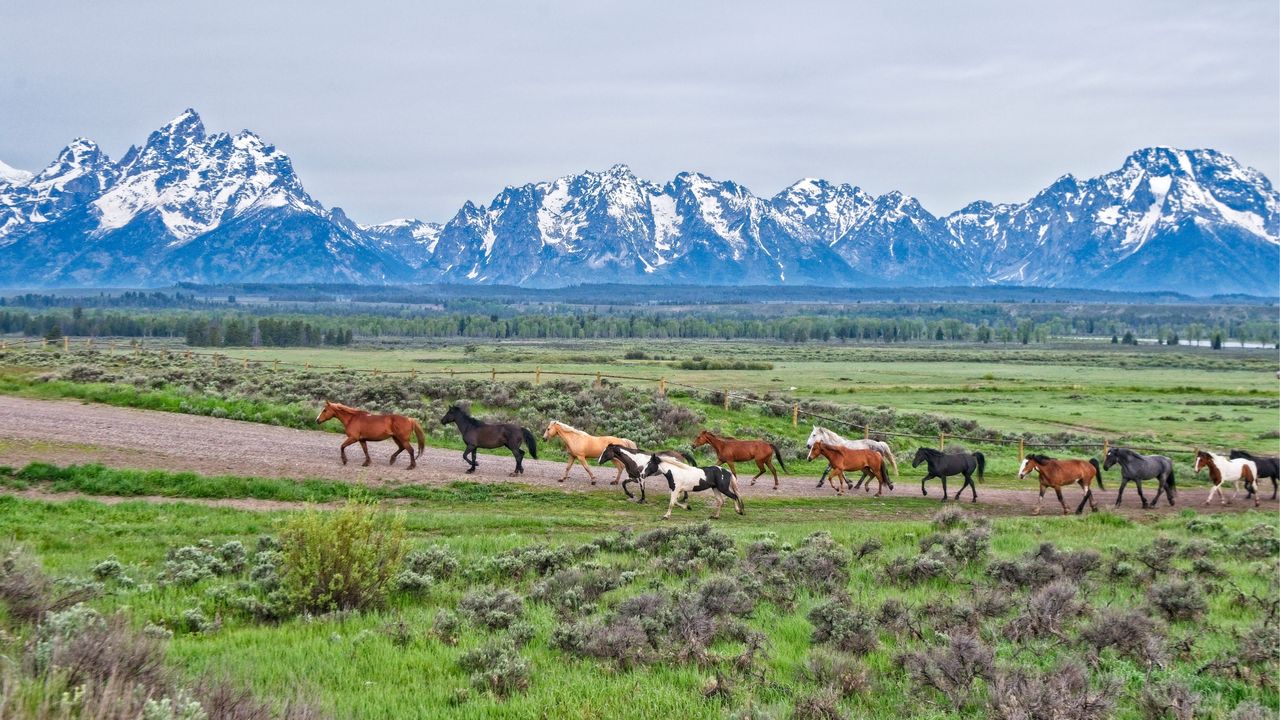
From classics that can’t be missed to the totally underrated.GettyWhen President Abraham Lincoln signed the Yosemite Grant Act on June 30, 1864, the wheels were set in motion for a government-run conservation system that would eventually become the National Park System. Today, there are 63 national parks across 31 states and two territories, each with its own unique cultural, geological, and natural significance. And these parks are popular—they attracted over 93 million visitors cumulatively in 2025 alone.Of course, there are the classics like Yellowstone, which draws over four million people annually who hope to catch a glimpse of the erupting Old Faithful Geyser, or the Grand Canyon, one of the Seven Natural Wonders of the World. But there are plenty of lesser-known and uncrowded parks like Lassen Volcanic, home to impressive geothermal features similar to Yellowstone, with far fewer visitors to share space with.Regardless of whether you’re hoping to find solitude amongst the craggy peaks of the Grand Teton or learn about Lakota history in the Badlands, the national parks have a range of experiences to offer. While it's no easy task to name the best national parks in the US, the below 25 are some of the lesser-known and less-crowded parks we feel deserve the same play time.Matt Anderson PhotographyGrand Teton National ParkLocated just south of Yellowstone, Grand Teton National Park sees fewer visitors every year despite its dramatic mountainous skyline. The Tetons reach over 7,000 vertical feet into the air, a stark contrast against the surrounding flat plains. The 2.7-billion-year-old gneiss is some of the oldest rock in North America, drawing climbers and mountaineers from all around the world looking to scale one of many classic routes to the Grand Teton’s summit, from which the park got its name.All that said, you don’t have to be a skilled mountaineer to enjoy the spectacular scenery, which is laced with over 250 miles of hiking trails within park bounds. Hikes like the Phelps Lake Overlook, Taggart Lake, and the Woodland Trail Loop are relatively easy and require a minimal time commitment, but still afford hikers a slice of the park outside of roadside pull-offs.If hiking isn’t your thing, the Snake River, which flows through the park, is home to world-class trout fishing and paddling—visit during the spring for a float trip down the river, or in September to see bull elk rutting, and the first traces of snow on the higher peaks.Best for: Adventurers, backpackers, stargazers, and luxury travelers. Grand Teton National Park’s rugged terrain offers plenty of adventurous multi-day hikes and scrambles to keep the thrill-seekers happy. But with its proximity to Jackson and the high-end accommodations there, it’s also a good option for those seeking a luxurious vacation. In April 2025, Teton County, which encompasses the park, was certified an International Dark Sky Community—great news for those who enjoy admiring the night sky.Where to stay: The Sylvan Lodge, which debuted in May 2025 and is tucked in the private Snake River Sporting Club, is located a half-hour south of Grand Teton National Park’s southern entrance, and has partnerships with local outfitters that offer a variety of excursions like guided wildlife safaris. The Faraway Jackson Hole, a Blue Flag Capital property that opened in Teton Village in summer 2026, is a high-end option offering off-site guided excursions and located about 45 minutes from the park. The Trailborn Jackson Hole has 195 newly renovated guestrooms, a full-service spa, and an aprés-inspired restaurant, just minutes from the park.Read our full guide to where to stay near Grand Teton National Park.Paul James Campbell/GettyYosemite National Park, CaliforniaFor decades, rock climbers have made the migration to Yosemite National Park, undeniably the most iconic of the nine national parks in California, to test their skills and push the boundaries of the sport. And with the skyscraper-like granite monoliths that dominate the landscape—the tallest being El Capitan at over 3,000 vertical feet—it only makes sense that Yosemite continues to be a premiere destination for climbers worldwide. Hiking one of the most iconic features in the park, Half Dome, is an adventure for experienced hikers that demands a 4,800 foot ascent over the course of a 14-mile round trip hike. The strenuous and exposed nature of the trek, which requires the use of cables near the summit, make this one of the most difficult hikes in any national park. To curb crowds, daily visits are limited to 300 through a permitting system.But the spectacular rock faces and the valleys they rise from can be appreciated by non-climbers, too. With over 94% of the park’s 1,200 square miles being designated wilderness, there is plenty to explore. Shorter day hikes like the half-mile Bridalveil Fall Trail or the five-mile Mirror Lake Loop are easier alternatives.Best for: Adventurers and backpackers. Yosemite’s granite monoliths make the park a world-class climbing destination, perfect for anyone from a first-timer to seasoned veteran. Even those who don’t want to try technical climbing can explore thrilling and exposed hikes, like the one to Half Dome’s summit. There are also plenty of longer hikes, ideal for those who want to strap on their overnight pack and get away from the roadside crowds.Where to stay: Named after the natural phenomenon in which Yosemite’s Horsetail Fall is illuminated in a fire-like orange glow just before sunset (typically in February), Firefall Ranch is a luxury resort situated on 300-acres. The resort opened in the spring of 2024, offering a mix of private luxury cottages and villas. Rush Creek Lodge and Spa, which is located just minutes from the park’s west entrance, is another luxury option with standard rooms, suites, and villas. The lodge also offers guided trips and daily on-site activities, perfect for families. New for 2026, Outbound Yosemite will be debuting cabins and guestrooms just 25 minutes from the park entrance. Under Canvas also opened a glamping outpost near the park in April 2026.Read our full guides on where to stay near Yosemite and where to camp in Yosemite.GettyLassen Volcanic National Park, CaliforniaLassen Volcanic National Park’s location in northern California, nearly four hours north of San Francisco, feels like a secret among those who come to see its geothermal features, alpine meadows, and vast coniferous forests. Just over 500,000 people visited in 2025, compared to the 3.9 million who visited Yosemite and 4.3 million who visited the Great Smoky Mountains that year.The park, which was officially established in 1916, is one of the few places in the world where all four major types of volcanoes—plug dome, shield, cinder cone, and stratovolcano—can be found. Lassen Peak, one of the largest plug dome volcanoes in the world, looms over Lake Helen while steam billows from pools of water heated by molten rock below.Of the park’s 106,000 acres, nearly 80,000 are designated wilderness area, making it easier to find untouched beauty and solitude than in some of the more crowded parks.Over 150 miles of hiking trails await Lassen Volcanic National Park’s visitors. The four-mile Cinder Cone Trail is a must-do hike, ascending to the rim of the Cinder Cone volcano and affording hikers views of the solidified basalt lava flows and into the cone itself. For the avid hiker, the strenuous five-mile round-trip Lassen Peak Trail climbs to the summit of Lassen Peak, passing through coniferous forests before emerging onto a rocky, treeless ridge.The park’s geothermal features are also worth a visit, some of which are accessible by car or a short walk. Sulphur Works is a roadside attraction where mud pools bubble and springs boil, inviting visitors to watch the last bit of thermal activity fueled by an ancient volcano. Other similar features, like Bumpass Hell—the largest hydrothermal area in the park—are spread throughout the park, but require a walk.Best for: Science and geology enthusiasts. Like Yellowstone, Lassen National Park is home to unique ecosystems with volcanic activity seldom found in natural landscapes around the US.Where to stay: Located just 15 minutes south of the park’s entrance station, Highlands Ranch Resort offers five luxury cottages in the shadows of the southernmost reaches of the Cascade Range. The secluded Drakesbad Guest Ranch is located in the southeastern part of the park and offers traditional lodge, cabin, and bungalow units.There are also eight campgrounds in Lassen Volcanic National Park, one of which (Juniper Lake) remains closed due to ongoing road repair work. And while sleeping under the stars is one of the best ways to experience our national parks, there are cabins available at the Manzanita Lake Campground, just inside the park’s northern entrance.Franck Reporter/GettyRedwood National and State Parks, CaliforniaSituated on the coast of northern California, the Redwood National and State Parks are home to the tallest trees in the world, growing up to 370 feet tall and 22 feet across at their bases. Some are said to be several thousand years old, having survived the logging industry that was quickly decimating the forests during the 19th century.During the mid-19th century, as European-Americans began migrating west, they were met with a seemingly infinite source of lumber for building and trade, eventually becoming the main economic driver of the region. As immigrants continued to chase gold and logging methods became more advanced into the early 20th century, the ancient trees quickly disappeared. By the 1960’s, all but 10% of the Redwoods were gone. Redwood National Park wasn’t born until 1968, solidifying the protection of these invaluable trees for future generations. Today, management and operations of the national and state (Jedediah Smith, Del Norte, and Prairie Creek Redwoods) parks that surround it are shared, creating a unique partnership between the state and federal governments.As soon as you walk among these giants, you'll understand why visitors from around the world travel for the redwoods. But there are also two major rivers here, vast prairies, and 37 miles of coastline along which seastacks rise from the ocean floor, and rocky cliffs descend to meet the Pacific’s crashing waves.If you don’t have much time, hiking the one-and-a-half-mile loop through the Lady Bird Johnson Grove, which sits near the top of a ridge and is comprised of ancient Redwood and Douglas Fir trees, is a great option. The Boy Scout Tree Trail, which is technically in the Jebediah Smith Redwoods State Park, is just over a 5-mile trail through a mossy lowland redwood grove. Of the 200 miles of hiking trails that weave through the national and state parks, 70 are part of the Coastal Trail, which traverses along the sand beaches, tide pools, and sea cliffs of northern California. There are several sections that can be done as day hikes, so visitors can explore the coast without having to commit to a multi-day trek.Best for: Families and kids. While parks like Olympic and Grand Teton are best experienced by venturing far into the backcountry, the main draw of this park—the Redwood trees—can easily be seen during a drive through the park, which makes for an iconic West Coast road trip. There are plenty of short walks and hikes that allow kids and families to admire the trees away from the road without much of a commitment.Where to stay: In addition to four basic campgrounds across the national and state parks, there are eight cabins available at the Elk Prairie Campground in the Prairie Creek Redwoods State Park and the Jedediah Smith Redwoods State Park, but they are typically booked months in advance. There are several towns in the region that offer plenty of spots to rest your head, like the luxurious oceanfront property Lost Whale Inn, located in Trinidad, just south of the parks. Roosevelt Basecamp, a renovated boutique motel on Highway 101, is another option just minutes from the park.Read our full guide on where to stay near Redwood National and State Parks.GettyVirgin Islands National Park, Saint JohnThe Virgin Islands National Park makes up two-thirds of the smallest US Virgin Island of Saint John. Instead of mega-resorts and multi-deck cruise ships typical of other Caribbean destinations, visitors to the island will find undeveloped sand beaches, forested hills, and a craggy coastline.Saint John was inhabited by the Arawakan-speaking Taino people for nearly 1,300 years, until the mid-15th century. The Danish took control of the island during the early 18th century, utilizing slave labor to operate plantations that grew tobacco, cotton, and sugar cane. It wasn’t long after the US purchased the island in 1917 that Laurance Rockefeller discovered it, eventually buying a large swath of land that would become the Virgin Islands National Park.Remnants of the island’s history can still be seen around the park. The six-mile out-and-back Reef Bay Trail is one of the more popular and diverse hikes in the park, descending 900 vertical feet past Danish sugar plantation ruins, Taino petroglyphs, and a waterfall, before arriving at an undeveloped sand beach. There is also a small trail network meandering through the once-thriving Cinnamon Bay Sugar Plantation. In addition to a half-mile nature walk and accessible boardwalk in this trail network, the one-mile Cinnamon Bay Trail boasts views of Maho and Francis Bays and passes several ruins. Over 40% of the park is underwater, offering plenty of opportunities to dive, snorkel, and paddle. Maho Bay, which is famous for its sea turtles, is worth checking off your list while in the park.There aren’t any direct flights to Saint John, but most major US hubs have flights to Saint Thomas. From there, a short taxi ride to Red Hook and a 20-minute ferry will get you to the island.Best for: Couples and beach lovers. Virgin Islands National Park is home to quiet, untamed and untouched beaches, perfect for relaxing or exploring.Where to stay: While there isn’t a shortage of places to stay, there aren’t many hotel chains or luxury resorts around. The Cinnamon Bay Campground is one of the only public lodging options in the park and is close to attractions like Maho Bay. Travelers can rent snorkeling gear, kayaks, and stand-up paddle boards at the campground, so you don’t have to travel far to start your adventures. In addition to standard “bare” tent sites, Cinnamon Bay offers eco-tents and cottages. The Saint Resort, an adults-only resort, spa, restaurant, and day club, debuted in Cruz Bay during the spring of 2025. The resort emphasizes relaxation and wellness, with stone pools, cascading waterfalls, and a cold plunge the perfect complement to its spa offerings (think sound bath and acupuncture). There are also plenty of villas and rentals that can be booked on platforms like Airbnb and Vrbo.GettyMount Rainier National Park, WashingtonMount Rainier, which is located just 60 miles from Seattle, is a defining icon of the Pacific Northwest. The volcano’s summit is perched 14,410 feet above sea level in the middle of Mount Rainier National Park, making it the tallest in the Cascade Range. Twenty-eight glaciers crawl down the flanks of the mountain, creating a rugged landscape that contrasts the wildflower-filled valleys and coniferous forests surrounding it.Of the 1.5 million people who visit Mount Rainier annually, thousands head straight to the volcano to make an attempt at its summit, with only about half finding success. And while the bucket-list climb is a worthy feat in itself, over 275 miles of maintained hiking trails and 228,400 acres (97% of the park) of designated wilderness area will keep less ambitious adventurers busy for a lifetime.Mount Rainier National Park tends to get busy during the summer, so visiting during shoulder seasons and midweek will increase your odds of finding solitude. Of course, throwing on a backpack and heading into the wilderness is also a great way to escape the crowds.There are an infinite number of ways to link trails for a multi-day backpacking trip, but one of the best is by hiking the Carbon Glacier and Moraine Park Trails to create a 21-mile out-and-back trip, offering close-up views of the lowest-elevation glacier in the lower 48. If you have three or four days to spend in the backcountry, consider the 40-mile Northern Loop Trail, which ascends 8,500 feet over rivers, through alpine meadows, and past glaciers and alpine lakes. It’s important to stop by a ranger station ahead of a backpacking trip, not only to get a backcountry permit, but for help with planning, logistics, and a conditions report.For a shorter day hike, the four-and-a-half-mile Rampart Ridge Trail meanders through an old-growth forest before reaching a ridge with several viewpoints. The three-and-a-half-mile Naches Peak Loop Trail is one of the more popular hikes in the park, and traverses sub-alpine meadows with views of Rainier.Best for: Adventurers, snow-lovers, and travelers looking for solitude. Mount Rainier National Park receives an average of over 600 inches of snow annually, making it one of the snowiest places in the country. The park attracts skiers, snowshoers, and anyone who wants to experience a winter wonderland, but Mount Rainier’s glaciers offer visitors a chance to get onto the snow even during the summer. The park’s vast trail network is also perfect for getting away from crowds, especially if you’re willing to opt for one of the longer, multi-day hikes.Where to stay: In addition to three car-camping sites (one of which—the Ohanapecosh Campground—will be closed for 2026) and plenty of backcountry sites, the National Park Inn and Paradise Inn are two lodging options within park boundaries. There are also several gateway towns with plenty of lodging outside the park, depending on which area you plan on visiting. Ashford is just minutes from the Nisqually Entrance of the park’s Paradise region, which is one of the park’s more popular areas. Crystal Mountain, also a ski area, is typically used as the jumping-off point for the Sunrise section of the park. Packwood is just an hour from both areas, and even has a brewery perfect for winding down after a long day of adventure.Read our full guide on where to stay in and around Mount Rainier.Camilo Morales/GettyPetrified Forest National Park, ArizonaNorthern Arizona’s Petrified Forest National Park offers visitors a glimpse 200 million years into the past, with Triassic-era fossils scattered throughout a desert landscape. The park is one of the only places people can get a up-close glimpse of fossilized remnants of ancient trees and animals that pre-date dinosaurs, with the hardened tree trunks serving as the park’s main attraction. And while most people come for the fossils, the painted deserts, vast badlands, and towering buttes make Petrified Forest National Park a worthy destination.There's a rich human history here, dating back over 13,000 years, with the Pueblo being the most recent people to inhabit the area prior to the arrival of European explorers. Ancient petroglyphs and carvings can be found throughout the park, and remnants of the Puerco Pueblo village (one of several archaeological sites), which is said to have been home to 200 people nearly 1,000 years ago, can be accessed via a .3-mile loop trail. Visitors can also experience the culture and history of those who inhabit the region today, with cultural demonstrations taking place between 10:00 a.m. and 3:00 p.m. at the Painted Desert Inn.There are many hikes in the park that follow hard-to-see or non-existent trails, requiring some route-finding skills and knowledge of backcountry travel. But speaking with rangers at one of the visitor centers can be helpful, and most of these routes have guides that help hikers navigate using landmarks. One is the three-mile Blue Forest Trail, which was constructed by the Civilian Conservation Corps between 1934 and 1937 and winds through the park’s colorful badlands, passing petrified wood along the way. The 8.5-mile Red Basin Clam Beds hike is unique and diverse, offering not only views of petrified wood, but also petroglyphs, fossilized clam beds, badlands, and tall rock spires formed by thousands of years of erosion.Best for: Science enthusiasts, history buffs, and families. While many national parks are all about solitude and vast landscapes, Petrified Forest National Park is about the educational experience (not that you can’t find solitude or vast landscapes). The petroglyphs, carvings, and fossils that can be found around the park shed a light on both the human and biological history of the region.Where to stay: Unlike many of the other national parks, the only way to spend a night under the stars is by primitive camping in the Petrified Forest National Wilderness Area, which requires getting a free permit from one of the visitor centers. Holbrook is the closest town, and has plenty of lodging and restaurants to choose from. There aren’t any spectacular luxury accommodations around town, but places like the Green Tree Inn are great options if camping isn’t your thing.Eddie Brady/GettyBadlands National Park, South DakotaWhile Badlands National Park isn’t typically front of mind when thinking about our national lands, the rock formations and untouched prairies of the Badlands National Park compose a landscape unlike any other.Situated near the Black Hills, the Badland’s buttes, mesas, and canyons were formed during millions of years of deposition and erosion, leaving behind geologic features surrounded by one of the largest mixed-grass prairie ecosystems in the country. But arguably more important than the natural landscape is the area’s history, which is steeped in broken promises and the westward expansion of a growing country.For thousands of years, Indigenous American tribes, including the Lakota (referred to as the Sioux by their enemies) saw the “mako sica,” or Badlands, as a sacred place to be used for hunting, ceremonies, and rituals. As the US expanded west during the late 19th century, the land was promised to the Lakota forever—a vow broken just 21 years later.Today, visitors can explore this history at the park’s museum exhibits in the Ben Reifel and White River Visitor Centers before connecting with nature on the park’s network of hiking trails. The 10-mile Castle Trail is the longest in the park, meandering through open prairie and past towering buttes to the Fossil Exhibit Trail, which is an accessible boardwalk with fossil replicas and exhibits of the extinct animals that once inhabited the area.Best for: Science enthusiasts, history buffs, and families. With a 10-mile trail being the longest in the park, the Badlands National Park doesn’t really lend itself to adventurous mountaineers looking to escape deep into the wilderness. But its unique geological formations and rich Indigenous history make it perfect for learning about the region’s past and offer a glimpse into how the western US became what it is today.Where to stay: In addition to two front-country campgrounds in the park, visitors can spend the night at the Cedar Pass Lodge, which offers cabins and is the only lodging within park boundaries. Backcountry camping is allowed in the park’s North Unit, which is just south of I-90 and tends to be less crowded than the South Unit, which is located on the Oglala Lakota Pine Ridge Reservation. In April 2025, two lodging options debuted in Rapid City—Hyatt Place and Clubhouse Hotel and Suites. While both are about an hour from the park, they’re good options for those who want things to do and places to eat beyond park bounds.Read our full guide on where to stay in and around the Badlands.Cappan/GettyDenali National Park and Preserve, AlaskaFor remote wilderness experiences and mountain-based adventure, it's hard to match Denali National Park and Preserve. Home to the tallest summit in North America from which the park got its name, this six million-acre protected area has only one road traversing it. The mountain was officially named Denali—a name that stems from the traditional Koyukon name “deenaalee” and translates to “the high one”—under the Obama administration in 2015. It was renamed Mount McKinley in 2025, a name that was used prior to 2015 in honor of the 25th president, William McKinley, who had no ties to Alaska nor the mountain. (As with the Gulf of Mexico, it was a name change that sparked great backlash from the local community.)In the spring and early summer, wildflower-filled valleys frame the high alpine, glacier-capped skyline, uninhibited by man for miles. In the winter, the park becomes a snow-covered playground for serious skiers and mountaineers, though it’s also the perfect time for travelers who want to catch a glimpse of the aurora borealis.While many who visit the park are in search of a remote wilderness adventure, you don’t have to spend days hunting your food and whittling spears out of sticks to enjoy the park. There are several worthy day hikes in Denali, like the eight-mile round trip Savage Alpine Trail, and there is even a luxury lodge within the park boundaries. Hiking off-trail is also encouraged, since there are only 35 miles of trail in the entire park—just make sure you’re prepared with the proper gear, knowledge, and a plan, before embarking.Like in many national parks, those with the skills necessary to head into the backcountry will be immersed in the most serene, spectacular scenery in the world. Backpackers confident enough to travel through remote landscapes will be able to take full advantage of the park’s main purpose, which, according to their website is “to provide visitors with the means of self-reliance and self-discovery; to encourage hikers to find what appeals to them rather than following specific routes.”Best for: Adventurers, backpackers, and luxury travelers. Denali is a remote park best experienced by getting “off-the-grid” and heading into the wilderness for a few days. Due to its remote nature, backcountry experience is required to get away from the day hikes and accessible points of interest, but the opportunities for solitude are endless. The park is also worth visiting for those looking for a unique luxury experience, with the Sheldon Chalet being one of the most remote luxury lodges in the world.Where to stay: To that end, the luxury lodge in the park, Sheldon Chalet, is perched on a granite outcrop 6,000 feet above sea level, affording guests spectacular views in addition to an inclusive experience complete with guides, a chef, and even a concierge. For those who aren’t up for shelling out tens of thousands of dollars for lodging, the Holland America Denali Lodge is just two miles from the park’s entrance and announced a multi-year $70 million renovation in 2025 that will bring new rooms and dining (to debut in 2027).Read our full guide to the best places to stay in and near Denali National Park.GettyGreat Sand Dunes National Park, ColoradoIt often comes as a surprise to many that Colorado, largely known for its tall alpine peaks and ski slopes, is also home to vast sand dunes, including two of the tallest in North America. As you approach the Great Sand Dunes National Park, the golden orange dunes rise in front of a backdrop of snow-capped alpine summits—the former more reminiscent of the Moroccan desert than North America. While the dunes are the main draw, there are a number of diverse ecosystems within the park's boundaries, including alpine tundra, subalpine forests, and meadows, to name a few. This spot is perfect for sandboarding—similar to snowboarding, but on sand—with board and sled rentals available at the Great Sand Dunes Oasis just outside the park. Visit in July or August to see the park’s wildflowers in bloom.It’s possible to explore the dunes by foot, although it can be extremely easy to get turned around since there are no trails. It’s also important to consider that thunderstorms are common during the afternoons in summer, and when you’re in the dunes, there's nowhere to take shelter. The Park Service recommends using closed-toe shoes to hike the dunes, especially during the summer months, when the sand can get extremely hot.Best for: Backpackers and families. Kids love playing on the sand dunes, which are easily accessible and don’t require venturing far from the car. But sleeping amongst the dunes is also a worthy experience—though navigational skills are required since there are, as one can imagine, no trails in the sand.Where to stay: Great Sand Dunes is relatively undeveloped and doesn’t have any lodging (aside from campsites) inside the park. The Great Sand Dunes Lodge, which lies against a backdrop of the dunes and the 14,000-foot peaks just beyond them, is the hotel closest to the park entrance. Kosmos Stargazing Resort and Spa, which opened in April 2025 and is less than 20 minutes from the park, is a unique option that offers guests telescope-equipped villas perfect for taking advantage of this International Dark Sky-certified destination. The resort’s 20 solar-powered villas are made of “hempcrete,” an insulating and carbon-absorbing material that help lower its carbon footprint. The Rustic Rook Resort is another sustainable glamping experience, complete with five upcycled grain-bin villas.GettyNorth Cascades National Park, WashingtonNorth Cascades National Park is a veritable alpine wonderland, with rugged and remote peaks capped by more than 300 glaciers—all that, and it's just over a two-hour drive from the city of Seattle. The park is divided into two separate ecosystems: a temperate rainforest on the western side and a drier ponderosa pine ecosystem on the eastern side.While there are plenty of day hikes off of the North Cascades Scenic Highway, consider a backpacking trip on the nearly 400 miles of trails, easily the best way to experience this pristine landscape. The 34.2-mile Beaver Loop is one of the easier routes, as it avoids higher elevations and mid-summer snow crossings. At 33.5 miles, the Copper Ridge Loop is slightly shorter, but requires an extra day or two due to its arduous nature. The ascent to the top of the ridge is extremely steep on both sides and often requires the use of a mountaineering axe until July, so it’s best to do it during late summer and have a backup plan in case conditions are poor (or all of the tent sites are full).Best for: Backpackers and snow-lovers. Heading into the backcountry is the best way to get the most out of North Cascades National Park. The park is also one of the snowiest places in the country, so backcountry skiing and snowshoeing are popular here. Just bear in mind that snowfall totals vary greatly between the east and west sides of the park.Where to stay: If soaking in the hot tub or sipping a cocktail by the fireplace is more your speed after a day in the mountains, stay at the luxurious Sun Mountain Lodge, located in the foothills of the North Cascade Mountains. The Ross Lake Resort, which is about a half-hour from the park, has 15 floating cabins for rent via a lottery system, so flexibility is key in order to land a spot. The resort is only accessible by ferry, water shuttle (reached by a one-mile walk), or a three-and-a-half-mile hike, making this unique lodging experience perfect for the more adventurous traveler.GettyZion National Park, UtahZion National Park in southern Utah is best known for its unique landscape of pink Navajo sandstone cliffs and orange slot canyons. Within the park’s 230 square miles, rivers as narrow as 20 feet meander between thousand-foot-tall sandstone cliffs, and juniper trees dot the desert hillsides. With elevations ranging from 3,700 to 8,700 feet, the park is also home to diverse fauna, the most common being bighorn sheep, mule deer, and gray fox. This range in elevation also lends itself to diverse ecosystems, like desert, riparian, and conifer woodlands.There are plenty of hiking trails for exploring the park, with The Narrows and Angels Landing—the latter of which requires a permit—being two of the more popular ones. But there are several lesser-traveled trails to consider as well, such as the Taylor Creek Trail, which is located in the Kolob Canyons Wilderness. For those comfortable spending time in the backcountry, setting off on a multi-day backpacking trip is a great way to experience the solitude of the desert, becoming immersed in a unique landscape, and falling asleep under a spectacularly dark night sky. The West Rim Trail, which is a point-to-point hike approximately 15 miles long (meaning you’ll have to arrange a shuttle at the end), is a popular overnight hikes in the park with sweeping views of the surrounding canyons and cliffs.Best for: Families and stargazers. Many of Zion's famed arches and geologic features are easily-accessed via a short walk from the car, making it ideal for families with younger children. It was also designated a certified International Dark Sky Park in 2021, becoming the last of Utah’s national parks to receive the designation.Where to stay: While the dated Zion Lodge is the only lodging within the park’s boundaries, comfier digs can be found at SpringHill Suites by Marriott, located just beyond the south entrance in Springdale. There are also a number of great Airbnbs, lodges, and glamping options, like the Zion Wildflower Resort, near the park. Red Cliffs Lodge Zion, a Marriott Bonvoy property in Springdale, reopened in late 2024 after a complete renovation and is just minutes from the park’s south entrance.Read our full guide to the best places to stay in and near Zion.Jeff R Clow/GettyCanyonlands National Park, UtahKnown for its red sandstone cliffs, high alpine peaks, lush valleys, and unique geologic formations, Utah is home to five national parks—and Canyonlands may arguably be the most stunning of them all.Each of Utah’s national parks has its own allure, but Canyonlands, at nearly 338,000 acres, is the state’s largest, making it easy to get away from the crowds and into the vast landscape. Split by the Colorado and Green Rivers into four distinct districts—Islands in the Sky, the Needles, the Maze, and the rivers themselves—the park is filled with vibrant mesas, arches, canyons, and other geologic formations prime for exploring.There are a number of roadside hiking trails and attractions, like the park’s famed Mesa Arch, but to really get a sense of the expansiveness and remoteness of the desert, it’s worth packing a tent and heading into the backcountry for a night or two (just make sure you have the skills and know-how before doing so, or book a trip with a group). The Needles district is known to have well-traveled hiking trails, like the nearly nine-mile Lost Canyon Loop, which brings hikers through a narrow, vegetated canyon. Experienced backpackers should consider heading into the more remote Maze district, where you can spend days on end without seeing another person.Best for: Stargazers, adventurers, and backpackers. While nearby Arches National Park has many unique sandstone features within a short walk from the car, Canyonlands is more about getting out into the wilderness. As the largest park in the state, it’s perfect for escaping civilization to spend a few days and nights among the vast and dramatic landscapes. And while you’re out there, don’t forget to look up—Canyonlands National Park was designated a Gold-Tier International Dark Sky Park in 2015.Where to stay: The nearby town of Moab is a great home base, with many restaurants, breweries, shops, and lodging to choose from. For glamping, consider spending a few nights at Under Canvas Moab, just north of the town. The Eddie Bauer Adventure Club, located in Moab, is an adventure-focused lodging option that offers curated off-site excursions. Red Cliffs Lodge, also in Moab, joined Marriott Bonvoy and is undergoing an expansive property renovation, scheduled to be completed in 2026. The first phase of the property was completed in April 2025, adding 80 newly renovated suites.Shunyu Fan/Getty ImagesCrater Lake National Park, OregonCrater Lake, which is the deepest and clearest lake in the US, lies inside the collapsed summit of a volcano. Its dark blue waters reach an impressive depth of 1,943 feet and are fed only by run-off from melting snow, resulting in some of the purest water in the world.Within the park’s 183,224 acres, mountainous terrain around the lake’s rim yields spectacular views of the steep hillsides that drop into the water, the result of the volcanic eruption and subsequent collapse just 7,700 years ago. The lake is the focal point of the park, but there are 90 miles of hiking trails that meander through old-growth coniferous forests and over bare summits with panoramic views, and through dry, sub-alpine meadows.Rim Drive circumnavigates the rim around the lake and has plenty of viewpoints and pull-offs along the way. But to really experience the park, exploring by foot is a must. While it’s only 3.5 miles out and back, the Garfield Peak hike does ascend over 1,000 vertical feet, making it a fairly arduous climb. But the 360-degree views at the top are well worth the effort. Given the bang you get for your buck, it tends to get crowded, so hiking during the off-season or starting early in the morning is a good idea.Best for: Families and day hikers. While there is plenty to explore, the main draw to Crater Lake National Park is the lake itself. With a road that circumnavigates the rim, there are plenty of vistas on the road or within a short walk. There are also several day hikes that offer even better views.Where to stay: There are two places to stay within the park that aren’t camping—the Crater Lake Lodge and the Cabins at Mazama Village—but they tend to book up far in advance, especially during peak times. Luckily, there are plenty of additional options within 35 miles of the park’s entrance, like the Union Creek Resort, which is a rustic lodge just outside of the park’s boundaries.Read our full guide to the best places to stay near Crater Lake.This gallery has been updated with new information since its original publish date.More hotels nearbyPerroquet, Fort LauderdaleUnited States, Fort Lauderdale, 3081 Harbor DriveA romantic reinvention of the classic Florida beach motel that pairs European-minded design, serious art, and tropical seclusion with an enviable address steps from the sand.AC Hotel Downtown Los Angeles$$ | United States, Los Angeles, Gallery 1260 South Figueroa StreetThis AC outpost brings European refinement at a palatable price to the heart of DTLA.White Barn Inn, Auberge Collection$$$ | Kennebunk, 37 Beach Ave.It's all about enchantment, discretion, and relaxation at this historic Kennebunk establishment.$$ | United States, Sag Harbor, 31 West Water St.A cozy yet tony home-sweet-Hamptons-home in Sag Harbor.
The 25 Best National Parks in the US For Jaw-Dropping Nature—With Fewer Crowds
Full Article
Original Source
Read the full article at Cntraveler →KhanList aggregates and links to publicly available news content. We do not host full articles from third-party sources. Always verify important information with original sources.