
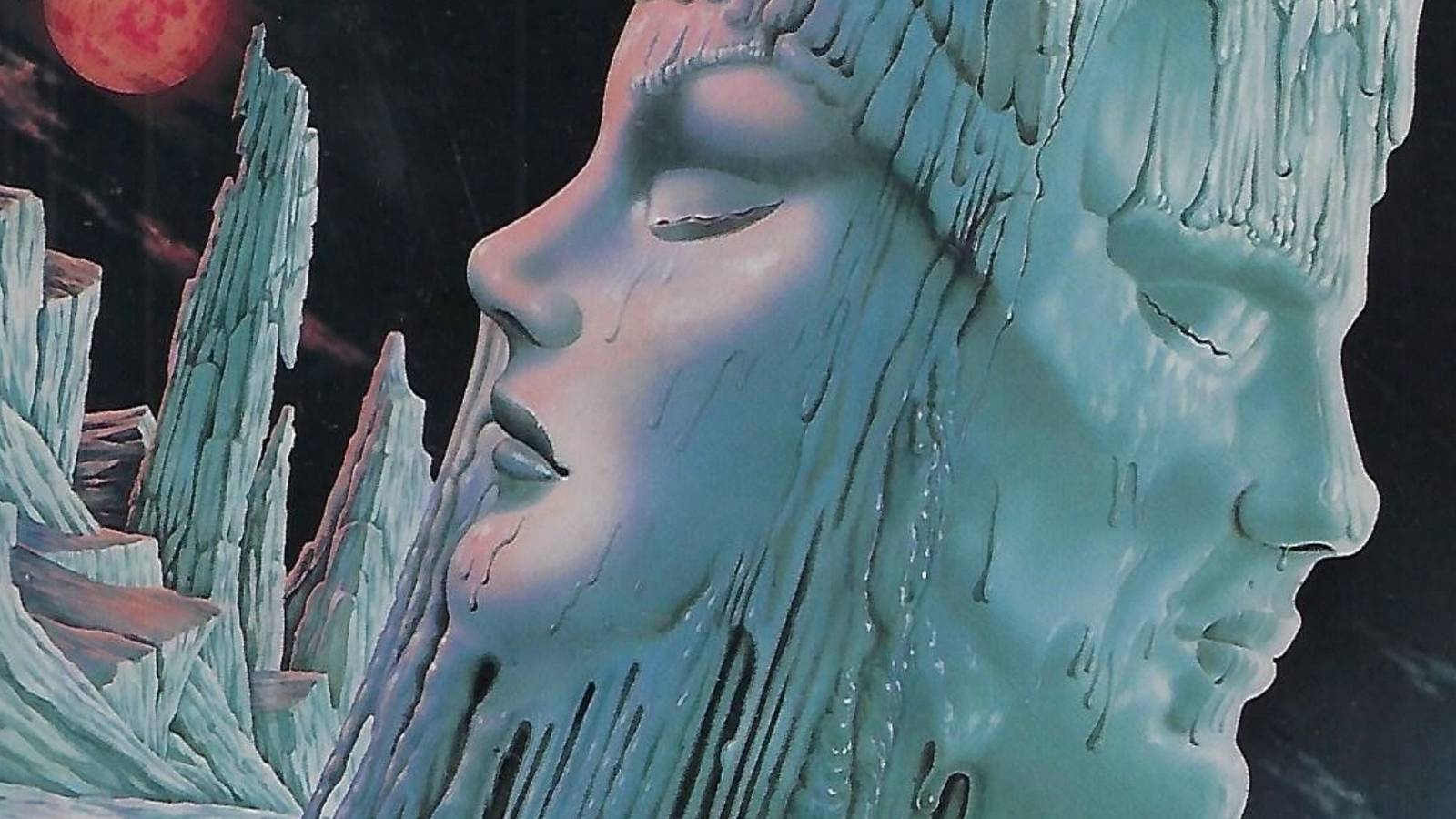
Image via Walker and Company Published Sep 21, 2026, 6:15 PM EDT Diego Pineda has been a devout storyteller his whole life. He has self-published a fantasy novel and a book of short stories, and is actively working on publishing his second novel. A lifelong fan of watching movies and talking about them endlessly, he writes reviews and analyses on his Instagram page dedicated to cinema, and occasionally on his blog. His favorite filmmakers are Andrei Tarkovsky and Charlie Chaplin. He loves modern Mexican cinema and thinks it's tragically underappreciated. Other interests of Diego's include reading, gaming, roller coasters, writing reviews on his Letterboxd account (username: DPP_reviews), and going down rabbit holes of whatever topic he's interested in at any given point. Sign in to your Collider account Named after Hugo Gernsback, the founder of the groundbreaking science fiction magazine Amazing Stories, the Hugo Award has been administered by the World Science Fiction Society and handed out at the World Science Fiction Convention since 1953. Alongside the Nebula Award, it's the single most important and prestigious award in the field of science fiction literature. As such, it's no surprise that most Hugo winners have almost all gone down in history as some of the greatest works of speculative fiction in history. From science fantasy hybrids like The Fifth Season to pure hard sci-fi masterpieces like The Moon Is a Harsh Mistress, the greatest Hugo winners of all time are aplenty, but 10 in particular are worthy of being considered the very best. Not counting the Retro-Hugos (given out to sci-fi and fantasy works when a convention took place but no Hugo was given out), the award's greatest recipients should all be considered essential reading for speculative fiction lovers. 10 'Starship Troopers' (1959) Image via Ace Books Sometimes called the dean of science fiction writers, Robert A. Heinlein was one of the most important authors in the history of the genre, particularly revolutionary when it came to hard sci-fi. He helped move the genre away from its cheap pulp magazine days and prove that it could tell serious, prestigious stories—not unlike Starship Troopers, one of the best military sci-fi books of all time. Thanks to it, Heinlein won the second of the four Hugo Awards for Best Novel that he won throughout his career. It's easily one of the most controversial Hugo winners of the era, largely because scholars and readers over the years have come to interpret its views on militarism as an endorsement of authoritarianism. There are those who argue that Heinlein was instead engaging in a profound thought experiment around war, duty, and civic responsibility. And at the end of the day, aren't the best sci-fi books the ones that continue sparking discussions and conversations decades after their publication? As one of the most essential cornerstones in the history of military sci-fi, Starship Troopers is still a must-read today. 9 'Ender's Game' (1985) Image via Tor Books Another one of the most foundational works of military science fiction in history, Orson Scott Card's Ender's Game is far and away one of the highest-rated Best Novel Hugo winners on Goodreads, and for good reason. Though Card's staunch opposition to LGBTQ+ rights has made him an understandably controversial figure, those willing to separate art from author should still be perfectly able to admire Ender's Game as what it undeniably is: one of the best sci-fi books of the 1980s. It's an ideal read for those who love when military sci-fi focuses on strategy, as well as for those interested in reading a novel about the complexities of morality and the power of empathy. Winner of the Nebula in 1985 and of the first of Card's four Hugos in 1986, making him the only author ever to win a Nebula and a Hugo in consecutive years, it really is one of the genre's greatest masterpieces. The prose is complex, the narrative is engrossing, and the story's most iconic plot twist is revered for a reason. 8 'The Forever War' (1974) Image via St. Martin's Press If Starship Troopers is arguably the most foundational military sci-fi book ever written, then Joe Haldeman's The Forever War is arguably the greatest and most universally acclaimed military sci-fi book ever written. Written as a direct rebuttal to the perceived pro-war stances of Starship Troopers, and heavily informed by Haldeman's experiences as a Vietnam War veteran, this really is one of the most emotionally and intellectually impactful hard sci-fi books ever. The Forever War is also one of the most influential hard sci-fi books of all time, which makes it unsurprising that it earned Haldeman a Nebula, a Locus, and the first of the five Hugos he'd win throughout his career. Emotionally devastating and potently grounded, it's one of the most timeless and incredibly effective anti-war statements in the history of science fiction, vital reading for anyone who (erroneously) thinks that military sci-fi necessarily glorifies military conflict. 7 'A Fire Upon the Deep' (1992) Image via Tor Books The World Science Fiction Society isn't at all shy about showing its love for space operas, as they did in 1993 when they awarded Vernor Vinge the first of his five Hugo Awards for A Fire Upon the Deep. One of the greatest literary space operas ever penned, this exceptional start to the Zones of Thought series remains a towering, genre-defining achievement that only keeps getting more impressive with age. In the history of the Hugo Award for Best Novel, there have only ever been three ties, the second one being between A Fire Upon the Deep and Connie Willis' Doomsday Book. It is, indeed, one of the best sci-fi books of the 1990s, a tightly plotted masterpiece with some of the most layered and original worldbuilding the genre has ever seen. Doomsday Book is absolutely exceptional and was a worthy Hugo winner, but the impact and influence of A Fire Upon the Deep are genuinely transcendental. 6 'The Fifth Season' (2015) Image via Orbit In the history of the Hugo Awards, only one trilogy has ever managed the feat of having each of its installments win Best Novel in consecutive years: N. K. Jemisin's Broken Earth Series, whose first installment, The Fifth Season, is one of the best science fantasy books of all time. The Hugos have greatly succeeded at rewarding incredibly deserving works throughout the 21st century, but the best winner of the last 36 years is arguably The Fifth Season. After all, it's not often that science fantasy lovers are treated to a book so formally bold, structurally experimental, and full of fascinatingly subversive prose that somehow greatly succeeds in all of those departments. Thanks to its blend of genres, incredible worldbuilding, engrossing use of second-person narration, and the fact that it manages to condense all of its ambitions in just a little over 500 pages, The Fifth Season was a phenomenal way for Jemisin to earn the first of her five Hugos. Collider Exclusive · Sci-Fi Personality Quiz Which Sci-Fi Hero Are You Most Like? Paul Atreides · Captain Kirk · Princess Leia · Ellen Ripley · Max Rockatansky Five iconic heroes. Five completely different ways of facing an impossible universe. One of them shares your instincts, your values, and your particular way of refusing to back down. Eight questions will tell you which one. 🏜️Paul Atreides 🖖Capt. Kirk ✊Princess Leia 🔦Ellen Ripley 🔥Max Rockatansky FIND YOUR HERO → 01 How do you lead when the stakes couldn't be higher? The way you lead under pressure is the most honest thing about you. AI absorb everything — every variable, every pattern — and move only when I know the path forward. BI read the room, make the call, and own the consequences. Hesitation costs more than mistakes. CI rally people. A cause needs a voice, and I refuse to let fear be louder than conviction. DI assess the threat, establish what needs doing, and get it done without waiting for permission. EI don't lead. I act. Others can follow or not — I'm already moving. NEXT QUESTION → 02 What is your greatest strength in a crisis? The quality that keeps you alive when everything else fails. APrescience — the ability to see further ahead than anyone else and plan accordingly. BImprovisation — I'm at my best when the plan falls apart and I have to invent a new one. CConviction — I know what I'm fighting for, and that certainty doesn't waver under fire. DComposure — I stay functional when everyone around me is falling apart. Panic is a luxury. EEndurance — I outlast things. I take the hit and keep moving long after others have stopped. NEXT QUESTION → 03 What is the thing you'd sacrifice everything else for? Your deepest motivation is your truest compass. AThe survival and dignity of my people — even if I have to become something frightening to ensure it. BThe safety of my crew — every single one of them. No one gets left behind. CFreedom — for my people, for every world still crushed under the weight of an empire. DThe truth — what actually happened, what's actually out there, whether anyone believes me or not. EThe one person — or the one memory — that still makes any of this worth surviving for. NEXT QUESTION → 04 How do you relate to the people around you? Who you are to others under pressure is who you really are. AWith intensity and distance — I care deeply, but the weight I carry makes closeness complicated. BWith warmth and irreverence — I take the mission seriously, not myself. CWith directness and trust — I say what I mean, and I expect the people I work with to rise to it. DWith professional care but clear limits — I'll protect you, but I won't pretend we're family. EWith wariness that slowly becomes loyalty — I don't trust easily, but when I do, it holds. NEXT QUESTION → 05 You're facing a threat that no one else believes is real. What do you do? How you respond when you're the only one who sees it defines everything. APrepare in silence. If they won't listen, I'll be ready when they finally have to. BKeep pushing until someone listens — and if no one does, handle it myself. CBuild the case, find the allies, and make the threat impossible to ignore. DDocument everything. The truth matters even if no one believes it yet. EStop trying to convince anyone. Survive it. That's the only argument that counts. NEXT QUESTION → 06 What has your heroism cost you personally? Every hero pays. The question is what — and whether they'd pay it again. AMy innocence — I've seen what I'm capable of, and I can't unsee it. BPeople I loved — the command chair has a view, but it's a lonely one. CA normal life — I gave up everything ordinary the moment I chose the cause. DMy sense of safety — I know exactly what's out there now, and I can't pretend otherwise. EAlmost everything — and I'm still not sure what I'm carrying it all for. But I keep going. NEXT QUESTION → 07 How do you feel about the rules of the world you're in? Every hero has a relationship with the system. What's yours? AI understand them deeply — and I know exactly which ones must be broken, and why. BI respect the spirit of them and bend the letter when the situation demands it. CThe system is the problem. I'm not here to work within it — I'm here to dismantle it. DI follow protocol until protocol stops being useful. Then I make the call myself. EThe rules collapsed a long time ago. What's left is instinct, and mine are reliable. NEXT QUESTION → 08 When everything is on the line, what keeps you going? The answer is the most honest thing about you. ADestiny — or something that feels so much like it that the difference no longer matters. BThe people on my ship — their faces, their trust, the fact that they're counting on me. CThe belief that what we're fighting for is worth every sacrifice, including this one. DSheer refusal to let it win — whatever it is. I don't stop. That's just who I am. EI'm not sure anymore. But the road is still there, and I'm still on it. REVEAL MY HERO → Your Hero Has Been Identified Your Sci-Fi Hero Is…Your answers point to the iconic sci-fi hero who shares your instincts, your values, and your particular way of facing the impossible. Paul AtreidesYou carry a weight most people would crumble under — the knowledge of what you're capable of, and the burden of what you might have to become. You see further ahead than others and you plan accordingly, even when the vision frightens you. You are driven by loyalty to your people and a sense of destiny you didn't ask for but can't escape. Paul Atreides is not simply a hero — he is someone who understands the cost of power and chooses to bear it anyway. That gravity, that willingness to carry what others won't, is exactly you. Captain KirkYou lead with instinct, warmth, and an absolute refusal to accept a no-win scenario — because you've always believed there's a third option nobody else has thought of yet. You take the mission seriously without ever taking yourself too seriously. Your crew would follow you anywhere, not because you demand it, but because you've earned it. Kirk's genius isn't tactical — it's human. He reads people, bends rules with purpose, and wills outcomes into existence through sheer conviction. That combination of warmth, audacity, and relentless optimism is unmistakably yours. Princess LeiaYou are the kind of person who holds the line when everyone else is losing faith — not because you're fearless, but because giving up simply isn't something you're capable of. You lead through conviction. Your voice carries because your belief is unshakeable. You gave up everything ordinary the moment you chose the cause, and you've never looked back. Leia is not a supporting character in her own story — she is the moral centre of the entire rebellion. That same fierce, principled, unbreakable core is what defines you. Ellen RipleyYou are not reckless, not grandiose, and not particularly interested in being anyone's hero — you just refuse to stop when it matters. You see threats clearly, you document the truth even when no one listens, and when the time comes you handle it yourself. Ripley's heroism is earned, not performed. She doesn't have a speech — she has a flamethrower and a plan. You share her composure under the worst possible pressure, and her refusal to pretend the monster isn't there. When it counts, you don't flinch. That's everything. Max RockatanskyYou have been through fire that would break most people — and what came out the other side is something the world underestimates at its peril. You don't ask for help, don't need validation, and don't wait for anyone to tell you the rules no longer apply. Your loyalty, when it finally arrives, is absolute — but it's earned in silence and tested in action, not in words. Max is not a nihilist. He is someone who lost everything and found, against his will, that he still has something worth protecting. That bruised, stubborn, ultimately human core is exactly yours. ↻ RETAKE THE QUIZ 5 'The Moon Is a Harsh Mistress' (1966) Image via Penguin Publishing Group Heinlein's fourth and last Best Novel Hugo win came in 1967 for The Moon Is a Harsh Mistress. Whereas Starship Troopers' philosophical themes have perhaps not aged the best, this 1966 masterpiece's meditations on AI, warfare, and anti-colonialism have arguably only gotten better with age. All in all, it's one of the best hard sci-fi books of all time, one of the most perfect political thrillers the genre has ever delivered. From its politics to its dialogue to its characters to its worldbuilding, The Moon Is a Harsh Mistress is such a stunningly complex book that it's almost hard to believe it's not even 400 pages long. It's the ultimate science-fictional exploration of libertarianism and rational individualism, with some delectably snappy dialogue and some of the most intricate hard sci-fi elements that any author of Heinlein's generation ever penned. 4 'Neuromancer' (1984) Image via Orion Publishing Group William Gibson's Neuromancer was the first—and remains the only—book to win all three of the Hugo, Nebula, and Philip K. Dick Awards. Needless to say, it would take something really special to allow those victories to age well. Indeed, Neuromancer completely redefined and almost single-handedly hyper-popularized the cyberpunk subgenre, making it essential reading for anyone who loves that side of sci-fi. This remains Gibson's sole Hugo win to date, but what a well-deserved one it was. With its two sequels, the Sprawl Trilogy is one of those near-perfect book trilogies everyone should read at least once, but there's no beating the original in this case. With its coining of the term "cyberspace," its exquisite noir-ish tone inspired by the hard-boiled detective novels of authors like Raymond Chandler, and the irresistible worldbuilding and aesthetics that make it endlessly re-readable, Neuromancer is a crucial pillar in the history of sci-fi literature. 3 'Hyperion' (1989) Image via Doubleday The first Best Novel winner of the 1990s of the Hugo and Locus awards was Dan Simmons' Hyperion, the first chapter in the exceptional Hyperion Cantos series. It's one of the most perfectly written book masterpieces of all time, a structurally groundbreaking masterpiece modeled after Geoffrey Chaucer's Canterbury Tales. But though it borrows its structure from another essential literary cornerstone, it's still one of the most original sci-fi books the world has ever seen. Whereas many space operas focus on being pulpy and purely entertaining, Simmons proved with Hyperion that the subgenre could be true high art and still be awfully fun from cover to cover. Potently suspenseful and mysterious, impeccably written, and brilliantly genre-bending, it's a deeply philosophical masterwork which proves just how masterfully complex science fiction can be. Simmons' only Hugo win couldn't have come for a more deserving novel. 2 'The Left Hand of Darkness' (1969) Image via Ace Books Ursula K. Le Guin is one of the most important, groundbreaking, and massively influential authors of speculative fiction in history, making a stunning number of her sci-fi and fantasy books bona fide must-read works. One such masterwork is The Left Hand of Darkness, the book that established Le Guin as a major science fiction author. It's part of her Hainish Cycle, one of the greatest and most iconic sci-fi book series of the 20th century. Left Hand of Darkness is also one of the most ambitious sci-fi books of all time, thanks to the way it demonstrated that, far from needing to be action-packed all the time, science fiction could also offer some surprisingly profound sociological studies and psychologically deep thematic explorations. It completely reshaped sci-fi and speculative fiction as a whole, which makes it unsurprising that it earned Le Guin the first of the whopping eight Hugo Awards she won throughout her career. 1 'Dune' (1965) Image via Penguin Publishing Group The first tie in the history of the Best Novel Hugo came in 1966, when Roger Zelazny's This Immortal won alongside Frank Herbert's Dune. This Immortal is great, but it goes without saying which of 1966's Hugo recipients has aged the best. A myriad of superlatives apply to Herbert's magnum opus, a space opera that some would go so far as to call the single greatest sci-fi novel of the entire 20th century. It certainly is, at the very least, the most deserving Hugo winner of all time. One of the greatest space opera books in history, Dune is as immensely entertaining and delightfully easy to read as it is a profound cautionary tale against messianic leaders, religious fanaticism, and ecological manipulation. Its themes are wonderfully layered, its character arcs are deeply compelling, its worldbuilding is some of the best sci-fi has ever seen, and its pacing is absolutely perfect. Never has the Hugo Award for Best Novel gone to a better book.
The 10 Greatest Hugo Award Winners of All Time, Ranked
Full Article
Original Source
Read the full article at Collider →KhanList aggregates and links to publicly available news content. We do not host full articles from third-party sources. Always verify important information with original sources.