
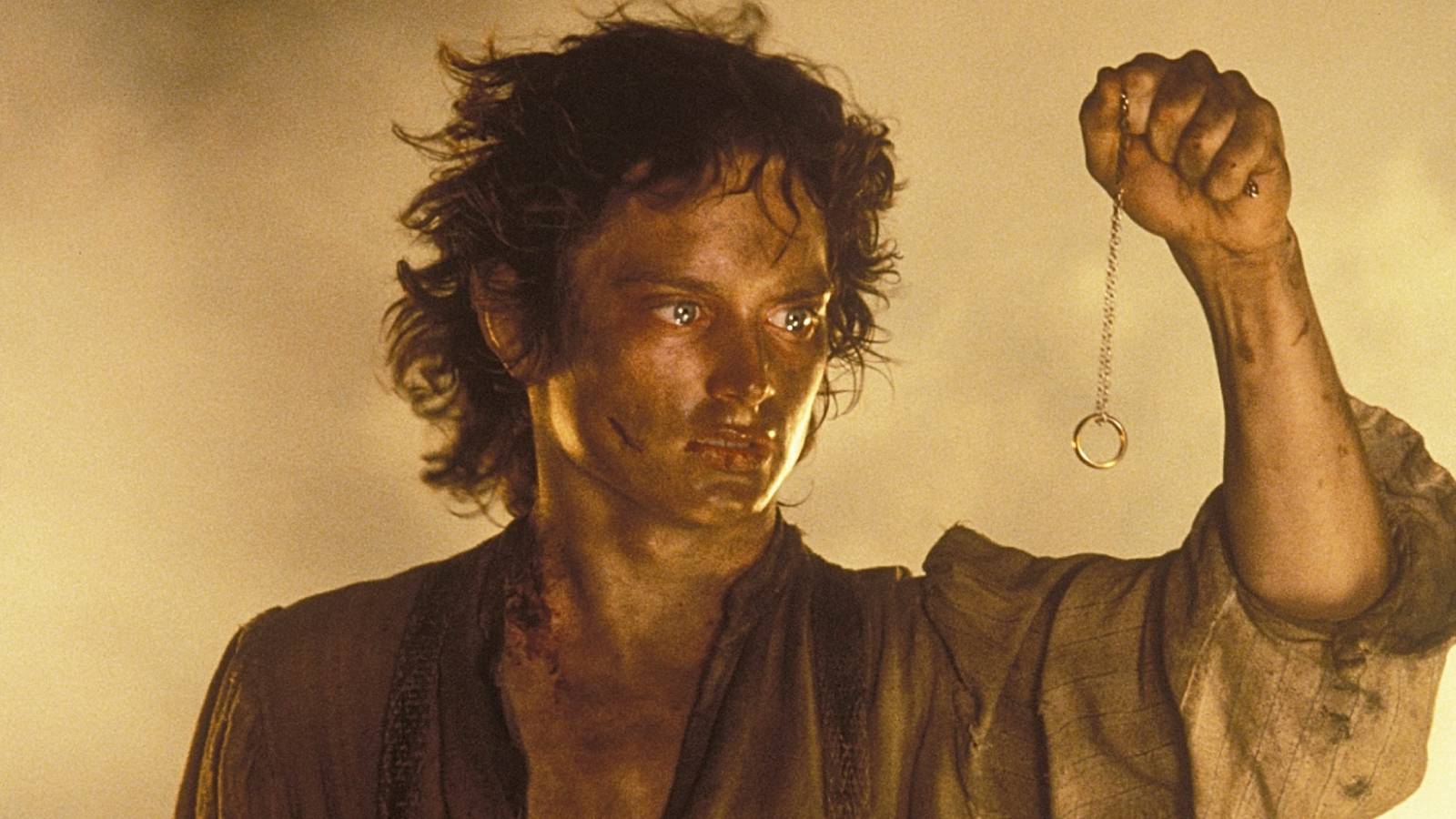
Image via New Line Cinema Published Sep 2, 2026, 5:51 PM EDT Daniel is a 27-year-old List Writer for Collider living in the south suburbs of Chicago, Illinois. As an avid film buff, he watches and analyzes many films and TV shows, especially in the horror genre, and regularly attends movie screenings. Sign in to your Collider account We all know about sequels. Cinema history is filled with them. We've all heard about movies and franchises for decades now, and it's not always true when some talk about this in a negative light. The idea that sequels tend to never surpass the original is as recognizable and as untrue as remakes never being as good, if not better, as their predecessors. Sequels are an essential part of movie-making, and a great source of entertainment and financial success that has picked up tremendous fame for much of the 20th century and well into our current one. While, yes, we do have an abundance of sequels that overshadow the release of original films these days, we can't deny their impact. The fact that some of our greatest achievements in cinema over the last several decades were sequels is proof that we always need them. Let's talk about the ones that stood out the most, the ones that defined their franchises, shaped pop culture, and are arguably better than their first predecessors. From blockbuster superhero flicks to best picture-winning epics, these are the ten best sequels in film history. 10 'The Dark Knight' (2008) Image via Warner Bros. The Dark Knight is the most essential superhero movie in its genre, and one of cinema's most recognizable and superior sequels ever made. This near-flawless action masterpiece overshadowed the success and praise of 2005's Batman Begins, continuing the Caped Crusader's story in a pulse-pounding new adventure that was a blast of cinematic excellence, managing to be more sharply written, more action-packed, and with higher stakes than before. Nothing about it seems like a rehash or trying to capture great moments from the first film. It's fresh, original, and can stand alone outside of being called a sequel. It advances Bruce Wayne's (Christian Bale) tough crusade to rid the streets of Gotham of villainy, and sees him battling his greatest foe ever, The Joker (Heath Ledger), who, coupled with the late actor's remarkable performance and iconic line delivery, remains one of the best villains ever to appear on screen. The Dark Knight is a masterclass that shows us how to better a franchise. 9 'Bride of Frankenstein' (1935) Image via Universal Pictures One of the earliest examples of a sequel far exceeding the recognition as its original was 1935's The Bride of Frankenstein, a horror classic that continues to be present in pop culture. The surprise smash hit that trumped the success of 1931's Frankenstein, this profoundly emotional and timeless tale is truly an essential watch for more than just horror lovers, as its story is perfect, mixing drama and an unsettling tone with legendary performances that can't be forgotten. It arguably does Mary Shelley's legendary Gothic novel more justice than the 1931 original, showing Frankenstein's monster (Boris Karloff) in a more tragic, sympathetic light as he roams the countryside searching for companionship in a world that rejects his existence. It's dark, depressing, and made all the more emotional thanks to the great Boris Karloff's career-defining performance as he returns to this role. Not to mention, it shows the brief but equally iconic performance of Elsa Lanchester as the titular Bride, remaining a staple of horror pop culture. Overall, The Bride of Frankenstein became a recognizable icon of horror and sequels in general. 8 'Before Sunset' (2004) Image via Warner Independent Pictures Released in 1995, Richard Linklater's Before Sunrise was praised as a dramatic opus, one of the most thoughtful, well-acted, and well-made tragic romances of all time. It perfectly captured the tale of young love and the brutal realities of maintaining relationships, following Ethan Hawke and Julie Delpy as two strangers from different countries finding love in each other but knowing they can never truly stay together. It was heartwarming, at times heartbreaking, but also deep and thought-provoking. Who would have thought, however, that a sequel made nine years later would somehow overshadow its greatness? 2004's Before Sunset managed to achieve the impossible, becoming arguably more deep, complex, and more profound than the 1995 original. Hawke and Delpy give two of the most commanding performances of their careers, playing more mature and world-weary adults who light up once they reunite once again after so many years. The writing is top-notch, the emotions are charged, and the camera work and direction are truly awe-inspiring. Before Sunset is a beautiful masterpiece that's touching and unforgettable, managing to capture and improve upon the magic of its predecessor. 7 'Star Trek II: The Wrath of Khan' (1982) Image via Paramount Pictures What many consider to be the peak of Star Trek's cinematic run, Star Trek II: The Wrath of Khan isn't just a great sequel; it's truly one of the best sci-fi adventures of all time. This surprisingly brilliant, well-performed, and flawlessly crafted space adventure is the one that trekkies often quote and cherish the most, balancing the mature and emotionally gripping story with excellent performances by the original cast, and featuring scenes so legendary that even those who haven't seen the film have at least heard about it through pop culture. Star Trek is perhaps most widely known for being a beloved icon on television, but its time on the big screen has seen hits and misses. The Wrath of Khan is universally praised as the best one in the entire franchise for how it handles its emotional story and for giving fans a perfect mix of character drama and riveting action. We honestly can't talk about the best sequels these days without at least mentioning this at least once. 6 'Dawn of the Dead' (1978) Image via United Film Distribution Company The horror genre is full of compelling sequels, but this next one may just be one of the greatest horror films, period. Released in 1978, ten years after horror changed forever thanks to the late George A. Romero's zombie masterpiece Night of the Living Dead, he was back at it with an arguably more compelling and epic sequel, Dawn of the Dead. A bona fide classic that continues to influence pop culture, Dawn of the Dead kept the zombie craze going and elevated it to new heights with its incredible story and timeless themes. Who can forget its iconic lines or characters, or even its legendary mall setting, which worked as the perfect setup for the film's messages about rampant consumerism and greed? It's become a benchmark of horror that still feels ageless and relevant, and a story that fans can't help but gush over. While Night of the Living Dead laid the foundation, Dawn of the Dead built the tall structure that became the ever popular zombie subgenre that's still going strong today. 5 'The Lord of the Rings: The Return of the King' (2003) The legendary conclusion to the most grand fantasy adventure ever told, The Lord of the Rings: The Return of the King, is a cinematic experience that everyone needs to see. It is quite simply one of the most thrilling, epic, and emotionally charged sequels ever brought to film, one that certainly deserved its Best Picture win. Author J. R. R. Tolkien's incredible tale was powerfully brought to cinemas through a near flawless trilogy, but it is this third installment that is often considered the most perfect. The story is perfectly told, and it greatly wraps up everything that it was all building towards, and it features some of the most crowd-pleasing action and battle sequences in movies of this century. The Return of the King was a critical and commercial juggernaut that swept the Academy Awards and became one of only two sequels to ever win the prestigious Best Picture. Truly, this is what it takes to be a compelling, wildly talked-about sequel. Collider Exclusive · Oscar Best Picture Quiz Which Oscar Best PictureIs Your Perfect Movie? Parasite · Everything Everywhere · Oppenheimer · Birdman · No Country Five Oscar Best Picture winners. Five completely different visions of what cinema can be — and what it can do to you. One of them is the film that was made for the way your mind works. Ten questions will figure out which one. 🪜Parasite 🌀Everything Everywhere ☢️Oppenheimer 🐦Birdman 🪙No Country for Old Men FIND YOUR FILM → 01 What kind of film experience do you actually want? The best movies don't just entertain — they leave something behind. ASomething that pulls the rug out — that makes me think I'm watching one kind of film and then reveals I'm watching another entirely. BSomething overwhelming — funny, sad, absurd, and genuinely moving, all at once. CSomething grand and weighty — a film that makes me feel the full scale of what I'm watching. DSomething formally daring — a film that pushes what cinema can even do. ESomething lean and relentless — pure tension with no wasted frame. NEXT QUESTION → 02 Which idea grabs you most in a film? Great films are driven by a central obsession. What's yours? AClass, inequality, and what people are willing to do when desperation meets opportunity. BIdentity, family, and the chaos of trying to hold your life together when everything is falling apart. CGenius, moral responsibility, and the catastrophic weight of a decision you can never take back. DEgo, legacy, and the terror of becoming irrelevant while you're still alive to watch it happen. EEvil, chance, and whether moral order actually exists or if we just tell ourselves it does. NEXT QUESTION → 03 How do you like your story told? Form is content. The way a story is shaped changes what it means. AGenre-twisting — I want it to start in one lane and migrate into something completely different. BMaximalist and genre-blending — comedy, action, drama, sci-fi, all in one ride. CEpic and non-linear — cutting between timelines, building a mosaic of cause and consequence. DA single unbroken flow — I want to feel like I'm living it in real time, no cuts to safety. ESpare and precise — every scene doing exactly what it needs to do and nothing more. NEXT QUESTION → 04 What makes a truly great antagonist? The opposition defines the protagonist. What kind of opposition fascinates you? AA system — invisible, structural, and almost impossible to fight because it has no single face. BThe self — the ways we sabotage, abandon, and fail the people we love most. CHistory — the unstoppable momentum of events that no single person can stop or redirect. DThe industry — the machinery of culture that chews up talent and spits out irrelevance. EPure, implacable evil — a force so certain of itself it becomes almost philosophical. NEXT QUESTION → 05 What do you want from a film's ending? The final note is the one that lingers. What do you want it to sound like? AShock and inevitability — a conclusion that recontextualises everything that came before it. BEarned emotion — I want to cry, laugh, and feel genuinely hopeful, even if the world is a mess. CDevastation and grandeur — an ending that makes me sit in silence for a few minutes after. DAmbiguity — something that leaves enough open that I'm still thinking about it days later. EBleakness — an honest refusal to pretend the world is tidier than it actually is. NEXT QUESTION → 06 Which setting pulls you in most? Where a film takes place shapes everything — mood, stakes, what's even possible. AA gleaming modern city with a hidden underside — beauty masking rot, wealth masking desperation. BA collapsing suburban life that opens onto something infinite — the multiverse of a single ordinary person. CThe corridors of power and science at a world-historical turning point — where decisions echo for decades. DThe grimy, alive chaos of New York and Hollywood — fame as both destination and trap. EVast, indifferent landscape — desert and highway where violence arrives without warning or reason. NEXT QUESTION → 07 What cinematic craft impresses you most? Every great film has a signature — a technical or artistic element that makes it unmistakable. AProduction design and mise-en-scène — every frame composed to carry meaning beneath the surface. BEditing and tonal control — the ability to move between registers without losing the audience. CScore and sound design — music that becomes inseparable from the dread and awe of what you're watching. DCinematography as performance — the camera not recording events but participating in them. ESilence and restraint — what's left unsaid and unshown doing more work than any dialogue could. NEXT QUESTION → 08 What kind of main character do you root for? The protagonist is the lens. Who you choose to follow says something about you. ASomeone smart and resourceful who makes increasingly dangerous decisions under pressure. BSomeone overwhelmed and ordinary who turns out to be capable of something extraordinary. CA brilliant, tortured figure whose gifts and flaws are inseparable from each other. DA self-destructive artist whose ego is both their superpower and their undoing. EA quiet, principled person trying to make sense of a world that has stopped making sense. NEXT QUESTION → 09 How do you feel about a film that takes its time? Pace is a choice. Some films sprint; others let tension accumulate slowly, deliberately. AI love a slow build when I know the payoff is going to be seismic — patience for a devastating reveal. BGive me relentless momentum — I want to feel breathless and emotionally spent by the end. CEpic runtime doesn't scare me — if the material demands three hours, give me three hours. DI want it to feel propulsive even when nothing is technically happening — restless energy throughout. EDeliberate and unhurried — I want dread to accumulate in the spaces between the action. NEXT QUESTION → 10 What do you want to feel walking out of the cinema? The best films leave a mark. What kind of mark do you want? AUnsettled — like I've just seen something I can't fully explain but can't stop thinking about. BMoved and energised — like the film reminded me what actually matters and gave me something to hold onto. CHumbled — like I've been in the presence of something genuinely important and overwhelming. DExhilarated — like I've just seen cinema doing something it's never quite done before. EHaunted — like a cold, quiet dread that stays with me for days. REVEAL MY FILM → The Academy Has Decided Your Perfect Film Is…Your answers have pointed to one Oscar Best Picture winner above all others. This is the film that was made for the way your mind works. ParasiteYou are drawn to films that operate on multiple levels simultaneously — that begin in one genre and quietly, brilliantly migrate into another. Bong Joon-ho's Parasite is a film about class, desire, and the architecture of inequality that manages to be darkly funny, deeply suspenseful, and genuinely shocking across a single extraordinary running time. Your instinct is for cinema that hides its true intentions until the moment it's ready to reveal them. Parasite is exactly that — a film that rewards close attention and punishes assumptions, right up to its devastating final image. Everything Everywhere All at OnceYou want it all — and this film gives you all of it. The Daniels' Everything Everywhere All at Once is one of the most maximalist films ever made: action comedy, multiverse sci-fi, family drama, existential crisis, and a genuinely earned emotional core that sneaks up on you amid the chaos. You are someone who responds to ambition, who doesn't want cinema to choose between being entertaining and being meaningful. This film refuses that choice entirely. It is overwhelming by design, and its overwhelming nature is precisely the point — because the feeling of being crushed by infinite possibility is exactly what it's about. OppenheimerYou are drawn to cinema on a grand scale — films that understand history not as a backdrop but as a force, and that place their characters inside that force and watch what happens. Christopher Nolan's Oppenheimer is a film about the terrifying gap between what we can do and what we should do, told with the full weight of one of the most consequential moments in human history behind it. You want your films to feel important without feeling self-important — to earn their ambition through sheer craft and the gravity of their subject. Oppenheimer does exactly that. It is enormous, complicated, and refuses easy comfort. BirdmanYou are drawn to films that foreground their own construction — that make the how of the filmmaking part of the what it's about. Alejandro González Iñárritu's Birdman, shot to appear as a single continuous take, is cinema examining itself through the cracked mirror of a fading actor's ego. You respond to formal daring, to the feeling that a film is doing something that probably shouldn't be possible. Michael Keaton's performance and Emmanuel Lubezki's restless camera create something genuinely unlike anything else — a film that is simultaneously about creativity, relevance, self-destruction, and the impossibility of ever truly knowing if your work means anything at all. No Country for Old MenYou are drawn to cinema that trusts silence, that refuses to explain itself, and that treats dread as a form of meaning. The Coen Brothers' No Country for Old Men is a film about the arrival of a new kind of evil — implacable, arbitrary, and utterly indifferent to the moral frameworks we use to make sense of the world. It is one of the most formally controlled films ever made, and its controlled restraint is what makes it so terrifying. You want your films to haunt you, not comfort you. You are not interested in resolution if resolution would be dishonest. No Country for Old Men is honest in a way that most cinema never dares to be. ↻ RETAKE THE QUIZ 4 'Aliens' (1986) Image via 20th Century Studios A masterclass that defined both action and horror genres, Aliens is director James Cameron's terrifyingly explosive masterpiece that shows what a great sequel needs to be. This glorious sequel to Ridley Scott's film Alien took the franchise down a far more action-oriented path that would come to define the franchise for decades. It takes the "more is better" approach and runs with it all the way throughout the film. With its significant budget and higher production values, there are more sets, characters, better special effects, and certainly more gory deaths, and even more aliens. Aliens stands out especially for expanding the franchise's mythology and interesting lore, making it feel like an actual continuation to Scott's 1979 original rather than becoming a rehash. It's simply flawless. 3 'Terminator 2: Judgment Day' (1991) Image via TriStar Pictures Of course, we movie lovers know Cameron hasn't just made one incredible sequel; he made two. The thrilling second installment in his beloved Terminator franchise, 1991's Terminator 2: Judgment Day, is not only an incredible sequel, but it's also one of the rare sequels fans unanimously agree is better than the original. For a film made more than thirty years ago, it still looks like it was made today, featuring some of the most breathtaking set-pieces, stunts, fight sequences, and special effects in movie history. Everything about Judgment Day is top-notch, from Cameron's bold direction and storytelling to the more fleshed-out themes carried over from the original, to the more complex characters and iconic one-liners. It's simply a masterpiece of the sci-fi action genre that continues to be a benchmark that Hollywood scriptwriters would kill to make their sequels just as good as it. 2 'Star Wars: The Empire Strikes Back' (1980) Image via Lucasfilms / courtesy Everett Collection Coming in shy of first place is the masterpiece that cemented Star Wars' legacy as one of the most iconic sci-fi properties of all time. I'm, of course, talking about The Empire Strikes Back, the epic continuation in creator George Lucas' legendary original trilogy from the 1970s and '80s, which is undoubtedly most fans' favorite film. It's arguably flawless, featuring legendary scenes, lines, and characters that fans and general audiences will never forget. It's possible Star Wars wouldn't be as popular today had The Empire Strikes Back not had hit it out of the park with its incredible story, which not only perfectly continued what happened in the last movie but expanded upon it, increasing the world-building and introducing more stuff that fans came to love. It's a satisfying blast that continues to be a joy to rewatch these days. Some might consider it to be the best sequel ever made, but there's just one more perfect one to mention below. 1 'The Godfather Part II' (1974) Image via Paramount Pictures At the end of it all, nothing can ever really top the reputation of The Godfather Part II, a film that's more than just a perfect sequel; it's quite literally a cinematic achievement. Francis Ford Coppola laid the groundwork for how to make a superior continuation with this film, a bona fide masterpiece that many fans and critics today argue tops the 1972 original. With flawless direction, Oscar-caliber acting and career-defining performances, highly quotable lines and moments, and not to mention some of the most thought-provoking writing in movie history, The Godfather II is a textbook definition of a brilliant sequel. Its success and popularity continue going strong well into our current century and show no signs of ever being forgotten. It's a work of art that undoubtedly takes this final spot. The Godfather Part II Release Date December 20, 1974 Runtime 202 minutes Cast Al Pacino Don Michael Corleone
The 10 Best Sequels in Film History
Full Article
Original Source
Read the full article at Collider →KhanList aggregates and links to publicly available news content. We do not host full articles from third-party sources. Always verify important information with original sources.