
Published Oct 23, 2026, 10:02 PM EDT Diego Pineda has been a devout storyteller his whole life. He has self-published a fantasy novel and a book of short stories, and is actively working on publishing his second novel. A lifelong fan of watching movies and talking about them endlessly, he writes reviews and analyses on his Instagram page dedicated to cinema, and occasionally on his blog. His favorite filmmakers are Andrei Tarkovsky and Charlie Chaplin. He loves modern Mexican cinema and thinks it's tragically underappreciated. Other interests of Diego's include reading, gaming, roller coasters, writing reviews on his Letterboxd account (username: DPP_reviews), and going down rabbit holes of whatever topic he's interested in at any given point. Sign in to your Collider account The roguelike subgenre of video games was born with the 1980 ASCII text-based computer game Rogue, a landmark title in gaming history. Though it was a commercial failure when its creators tried to sell it in stores, it was wildly popular as a free piece of software on the campus mainframe of the University of California, where it was developed. It was so addictive and replayable that programmers and developers started making games borrowing its mechanics, and the rest is history. Today, the broad definition of a roguelike is a game where you move through procedurally-generated rooms engaging in combat, but when your character dies, that run ends immediately. True roguelikes have no permanent meta-progression, while roguelites allow you to keep certain upgrades between runs to make future attempts easier. For the purposes of this list, roguelites will be counted as roguelikes, leaving ten games that are easily among the greatest of their respective subgenres. 10 'Returnal' (2021) Image via Sony Interactive Entertainment The vast majority of roguelikes and roguelites—certainly the vast majority of great roguelikes and roguelites—are indie games. The procedural generation and run-based gameplay loops of these kinds of games often appeal to a relatively niche audience, leading AAA studios to gravitate away from the genre. Just five years ago, however, the PlayStation 5 was treated to what's easily the greatest AAA roguelite in history: Returnal. Combining the traditional elements of the genre with bullet hell and third-person shooter gameplay in a way that's surprisingly butter-smooth, this absolute roguelite triumph developed by Housemarque benefits greatly from its AAA budget. The gunplay and movement are incredibly fluid, combat is highly rewarding, and the game's haunting atmosphere is engrossing. 9 'Tales of Maj'ehal' (2012) Image via Netcore Games Nowadays, roguelites are vastly more frequent and popular than true, traditional roguelikes, since they can be much more forgiving and thus have more mainstream appeal. Every now and then, though, gamers are treated to an absolute roguelike masterclass that appeals to both genre purists and people who aren't, such as Netcore Games' open-source cult classic Tales of Maj'ehal. One of the best video games of the 2010s, Tales of Maj'ehal is a deep, sprawling, highly tactical game that should particularly appeal to people who like combat that almost feels like a puzzle. But while it sticks true to pure roguelike rules, the game is made hugely accessible by its friendly UI, its astonishing diversity of classes, and a combat system that strips away much of the tedium of old-school roguelikes. 8 'Vampire Survivors' (2022) Image via poncle Whereas bullet hell games see you try to dodge the myriad of projectiles thrown at you by the enemy, bullet heaven games see you launch massive waves of automatic attacks against endless hordes of enemies—and as far as bullet heaven roguelites go, it doesn't get much better or more iconic than Poncle's Vampire Survivors, one of the best indie games to play in 2026. It's a perfectly satisfying pick-up-and-play game with virtually no barriers to entry whatsoever, making it not only a perfect entry into roguelites and roguelikes for those unfamiliar, but one of the most universally accessible games of all time in general. There's a quasi-primal sense of joy in starting as a fragile character throwing a single weapon when you start a run, and becoming a godlike entity obliterating all enemies filling the screen by the 20th minute. 7 'Spelunky 2' (2020) Image via Mossmouth The 2008 platformer roguelite Spelunky was one of the first games ever to combine roguelike elements with real-time side-scrolling platformer elements, resulting in one of the most influential and foundational roguelite titles in gaming history. What, then, could possibly top such an iconic masterpiece? An even-better sequel, of course. After all, Mossmouth and BlitWorks' Spelunky 2 improves on everything that its predecessor did right, and then some. For one, the game is the gold standard of procedural generation, masterfully designed so that virtually all caves generated can be beaten with basic movement without forcing the player to waste resources. Add to that an unmatched feeling of depth and discovery, as well as some of the tightest platforming any roguelite has ever offered, and it should be no surprise why Spelunky 2 is as universally praised as it is. 6 'Balatro' (2024) Image via LocalThunk The deckbuilder subgenre of roguelites was well-established by the time Balatro came out. Poker-based ones, on the other hand, were practically unprecedented. Developed by solo creator LocalThunk, this modern masterpiece takes the universally familiar language of poker hands as a vehicle to pull players into one of the most addictive deckbuilders gaming has ever seen. Games like Balatro prove that when it comes to game design, less can, indeed, often be more. Built on a perfectly simple equation involving nothing more than chips and multipliers, the game finds its magic in using special-powered Joker cards and other items to see scores scale exponentially. The result is one of the best video game masterpieces of the last five years, a zero-fluff gem that's as rewarding as it is perfectly polished in every way. Collider Exclusive · Sci-Fi Personality Quiz Which Sci-Fi Hero Are You Most Like? Paul Atreides · Captain Kirk · Princess Leia · Ellen Ripley · Max Rockatansky Five iconic heroes. Five completely different ways of facing an impossible universe. One of them shares your instincts, your values, and your particular way of refusing to back down. Eight questions will tell you which one. 🏜️Paul Atreides 🖖Capt. Kirk ✊Princess Leia 🔦Ellen Ripley 🔥Max Rockatansky FIND YOUR HERO → 01 How do you lead when the stakes couldn't be higher? The way you lead under pressure is the most honest thing about you. AI absorb everything — every variable, every pattern — and move only when I know the path forward. BI read the room, make the call, and own the consequences. Hesitation costs more than mistakes. CI rally people. A cause needs a voice, and I refuse to let fear be louder than conviction. DI assess the threat, establish what needs doing, and get it done without waiting for permission. EI don't lead. I act. Others can follow or not — I'm already moving. NEXT QUESTION → 02 What is your greatest strength in a crisis? The quality that keeps you alive when everything else fails. APrescience — the ability to see further ahead than anyone else and plan accordingly. BImprovisation — I'm at my best when the plan falls apart and I have to invent a new one. CConviction — I know what I'm fighting for, and that certainty doesn't waver under fire. DComposure — I stay functional when everyone around me is falling apart. Panic is a luxury. EEndurance — I outlast things. I take the hit and keep moving long after others have stopped. NEXT QUESTION → 03 What is the thing you'd sacrifice everything else for? Your deepest motivation is your truest compass. AThe survival and dignity of my people — even if I have to become something frightening to ensure it. BThe safety of my crew — every single one of them. No one gets left behind. CFreedom — for my people, for every world still crushed under the weight of an empire. DThe truth — what actually happened, what's actually out there, whether anyone believes me or not. EThe one person — or the one memory — that still makes any of this worth surviving for. NEXT QUESTION → 04 How do you relate to the people around you? Who you are to others under pressure is who you really are. AWith intensity and distance — I care deeply, but the weight I carry makes closeness complicated. BWith warmth and irreverence — I take the mission seriously, not myself. CWith directness and trust — I say what I mean, and I expect the people I work with to rise to it. DWith professional care but clear limits — I'll protect you, but I won't pretend we're family. EWith wariness that slowly becomes loyalty — I don't trust easily, but when I do, it holds. NEXT QUESTION → 05 You're facing a threat that no one else believes is real. What do you do? How you respond when you're the only one who sees it defines everything. APrepare in silence. If they won't listen, I'll be ready when they finally have to. BKeep pushing until someone listens — and if no one does, handle it myself. CBuild the case, find the allies, and make the threat impossible to ignore. DDocument everything. The truth matters even if no one believes it yet. EStop trying to convince anyone. Survive it. That's the only argument that counts. NEXT QUESTION → 06 What has your heroism cost you personally? Every hero pays. The question is what — and whether they'd pay it again. AMy innocence — I've seen what I'm capable of, and I can't unsee it. BPeople I loved — the command chair has a view, but it's a lonely one. CA normal life — I gave up everything ordinary the moment I chose the cause. DMy sense of safety — I know exactly what's out there now, and I can't pretend otherwise. EAlmost everything — and I'm still not sure what I'm carrying it all for. But I keep going. NEXT QUESTION → 07 How do you feel about the rules of the world you're in? Every hero has a relationship with the system. What's yours? AI understand them deeply — and I know exactly which ones must be broken, and why. BI respect the spirit of them and bend the letter when the situation demands it. CThe system is the problem. I'm not here to work within it — I'm here to dismantle it. DI follow protocol until protocol stops being useful. Then I make the call myself. EThe rules collapsed a long time ago. What's left is instinct, and mine are reliable. NEXT QUESTION → 08 When everything is on the line, what keeps you going? The answer is the most honest thing about you. ADestiny — or something that feels so much like it that the difference no longer matters. BThe people on my ship — their faces, their trust, the fact that they're counting on me. CThe belief that what we're fighting for is worth every sacrifice, including this one. DSheer refusal to let it win — whatever it is. I don't stop. That's just who I am. EI'm not sure anymore. But the road is still there, and I'm still on it. REVEAL MY HERO → Your Hero Has Been Identified Your Sci-Fi Hero Is…Your answers point to the iconic sci-fi hero who shares your instincts, your values, and your particular way of facing the impossible. Paul AtreidesYou carry a weight most people would crumble under — the knowledge of what you're capable of, and the burden of what you might have to become. You see further ahead than others and you plan accordingly, even when the vision frightens you. You are driven by loyalty to your people and a sense of destiny you didn't ask for but can't escape. Paul Atreides is not simply a hero — he is someone who understands the cost of power and chooses to bear it anyway. That gravity, that willingness to carry what others won't, is exactly you. Captain KirkYou lead with instinct, warmth, and an absolute refusal to accept a no-win scenario — because you've always believed there's a third option nobody else has thought of yet. You take the mission seriously without ever taking yourself too seriously. Your crew would follow you anywhere, not because you demand it, but because you've earned it. Kirk's genius isn't tactical — it's human. He reads people, bends rules with purpose, and wills outcomes into existence through sheer conviction. That combination of warmth, audacity, and relentless optimism is unmistakably yours. Princess LeiaYou are the kind of person who holds the line when everyone else is losing faith — not because you're fearless, but because giving up simply isn't something you're capable of. You lead through conviction. Your voice carries because your belief is unshakeable. You gave up everything ordinary the moment you chose the cause, and you've never looked back. Leia is not a supporting character in her own story — she is the moral centre of the entire rebellion. That same fierce, principled, unbreakable core is what defines you. Ellen RipleyYou are not reckless, not grandiose, and not particularly interested in being anyone's hero — you just refuse to stop when it matters. You see threats clearly, you document the truth even when no one listens, and when the time comes you handle it yourself. Ripley's heroism is earned, not performed. She doesn't have a speech — she has a flamethrower and a plan. You share her composure under the worst possible pressure, and her refusal to pretend the monster isn't there. When it counts, you don't flinch. That's everything. Max RockatanskyYou have been through fire that would break most people — and what came out the other side is something the world underestimates at its peril. You don't ask for help, don't need validation, and don't wait for anyone to tell you the rules no longer apply. Your loyalty, when it finally arrives, is absolute — but it's earned in silence and tested in action, not in words. Max is not a nihilist. He is someone who lost everything and found, against his will, that he still has something worth protecting. That bruised, stubborn, ultimately human core is exactly yours. ↻ RETAKE THE QUIZ 5 'The Binding of Isaac: Rebirth' (2014) Image via Nicalis, Inc. Designed by independent developers Edmund McMillen and Florian Himsl, 2011's The Binding of Isaac was the result of a week-long game jam between the duo, where the goal was to develop a roguelike inspired by The Legend of Zelda about McMillen's conflicting feelings on religion. That game was such a tremendous hit that it led to Nicalis' The Binding of Isaac: Rebirth, a remake that's the undisputed definitive way to experience The Binding of Isaac. It's one of the best horror video games of all time, regarded by many as the single undisputed giant of the roguelite space. It's the epitome of what procedurally-generated action games are capable of achieving, a masterpiece where navigation, controls, combat, and difficulty all feel faultlessly designed and calculated. Combined with the sheer variety of game-changing items and dozens of unique boss endings, it's perhaps one of the most replayable roguelites ever made. 4 'Hades' (2020) Image via Supergiant Games A strong story isn't always required in order for a roguelite or roguelike to be fun; but when there is a story present, and it's meant to be one of the core aspects of a title, it's often challenging to tie that story into the gameplay loop in a way that's satisfying. There are very few games that do that as perfectly as Supergiant Games' Hades, one of the most universally loved video games since 2020. The reason why Hades is so endlessly replayable is the same thing that makes its story so brilliant: Failure here is the stuff that fuels the narrative, resulting in a game where beating a boss is every bit as rewarding and emotionally compelling as dying. This flawless narrative integration allows the fast-paced combat and deeply layered meta-progression to feel all the more enjoyable throughout, which is without even getting into just how exquisite the visuals and music are. 3 'Dead Cells' (2018) Image via Motion Twin Inspired by Nintendo's Metroid franchise and Konami's Castlevania titles, the metroidvania subgenre of action-adventure games is all about non-linear exploration, backtracking, and interconnected world maps. On top of being one of the best roguelites of all time, Motion Twin's Dead Cells is also one of the best metroidvanias of all time, making it the foundational pioneer of the Roguevania genre and one of the most influential titles in the modern history of both subgenres. Blending the procedural death loop of traditional roguelikes and roguelites with the interconnected exploration and constant motion of old-school Metroidvanias is a concept that sounds challenging on paper, but Dead Cells makes it work faultlessly. Its hugely kinetic combat and movement never cease to feel rewarding, its visual identity is among the most memorable in the history of roguelikes, and the sheer depth of its content makes it a must-play for anyone even slightly interested in the genre. 2 'Slay the Spire' (2019) Image via Steam When it comes to deckbuilder roguelites, there has been one undisputed magnum opus that reigns supreme in virtually all aspects of the subgenre: Mega Crit's Slay the Spire, the game which proved that mixing card games with procedurally-generated dungeon crawlers could be perfectly mainstream. Over seven years later, it's still one of those video games that you can perfectly play for hundreds of hours on end. Slay the Spire didn't invent deckbuilder roguelites, but it established such a perfect design template for them that it has remained the gold standard and undeniable blueprint for the subgenre ever since. Combat is immaculately designed, the four meticulously-crafted characters are mechanical masterclasses, and the scaling difficulty makes it one of the most replayable video games of the 2010s as a whole. 1 'Hades II' (2025) Image via Supergiant Games After the unparalleled success that was Hades, expectations for Supergiant Games' Hades II were through the roof. Somehow, it didn't just live up to those expectations; it outright surpassed them in virtually every way. Today, many would confidently call it one of the best indie video games of all time, a game that took everything that made its predecessor a nearly-perfect masterpiece and amped it up to 11. The combat, for one, is some of the best-designed and most rewarding that any action game from the 2020s has thus far seen. The structural variety between all of the game's zones and procedurally-generated rooms, for two, allows it to be endlessly replayable even long after you've beaten the story. And the story, for three, is even more ambitious and high-stakes than that of Hades, yet every bit as emotionally riveting. All in all, Hades II sees everything that makes the roguelike and roguelite genres great in its full splendor.
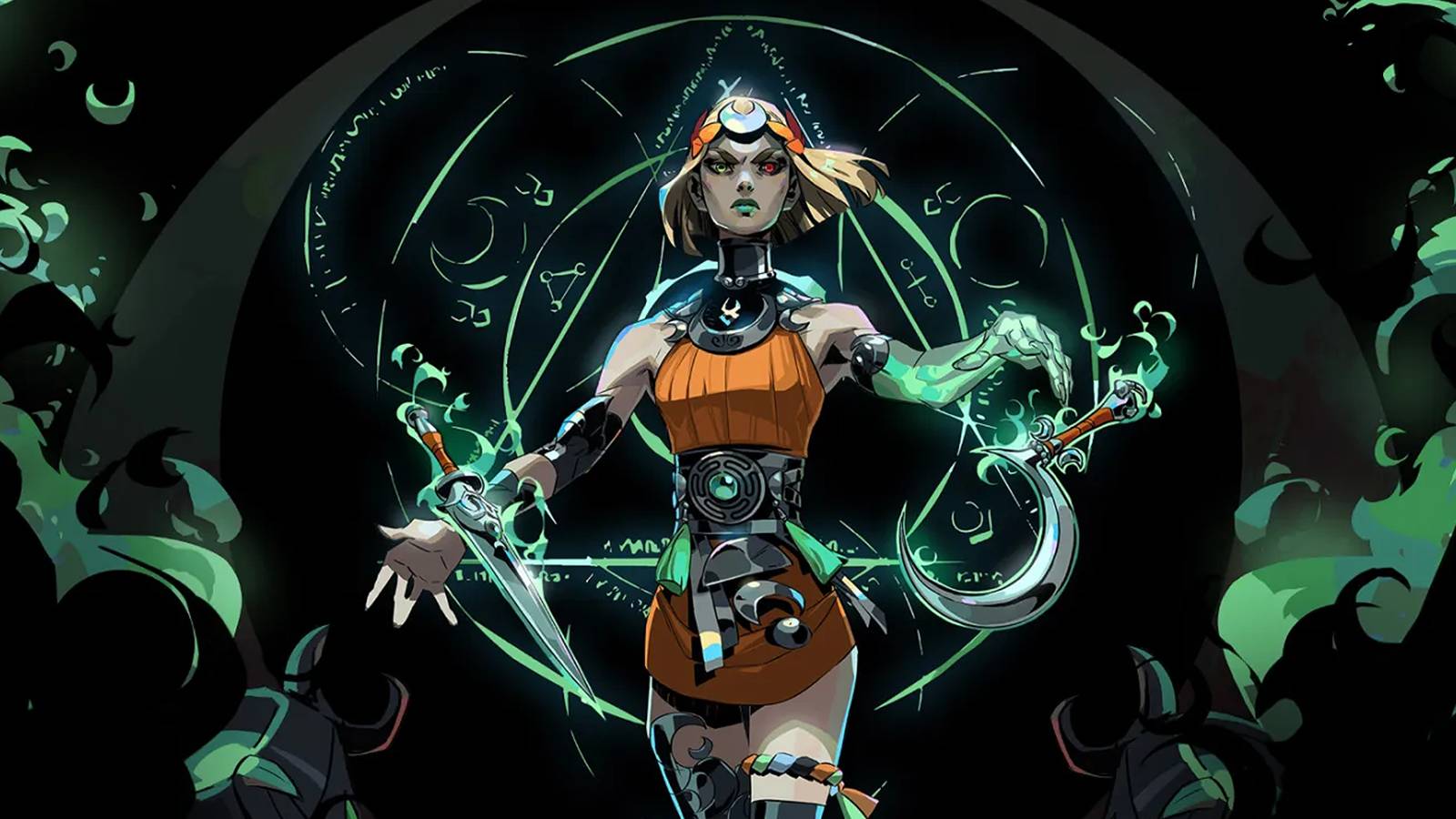
The 10 Best Roguelikes of All Time, Ranked
Full Article
Original Source
Read the full article at Collider →KhanList aggregates and links to publicly available news content. We do not host full articles from third-party sources. Always verify important information with original sources.