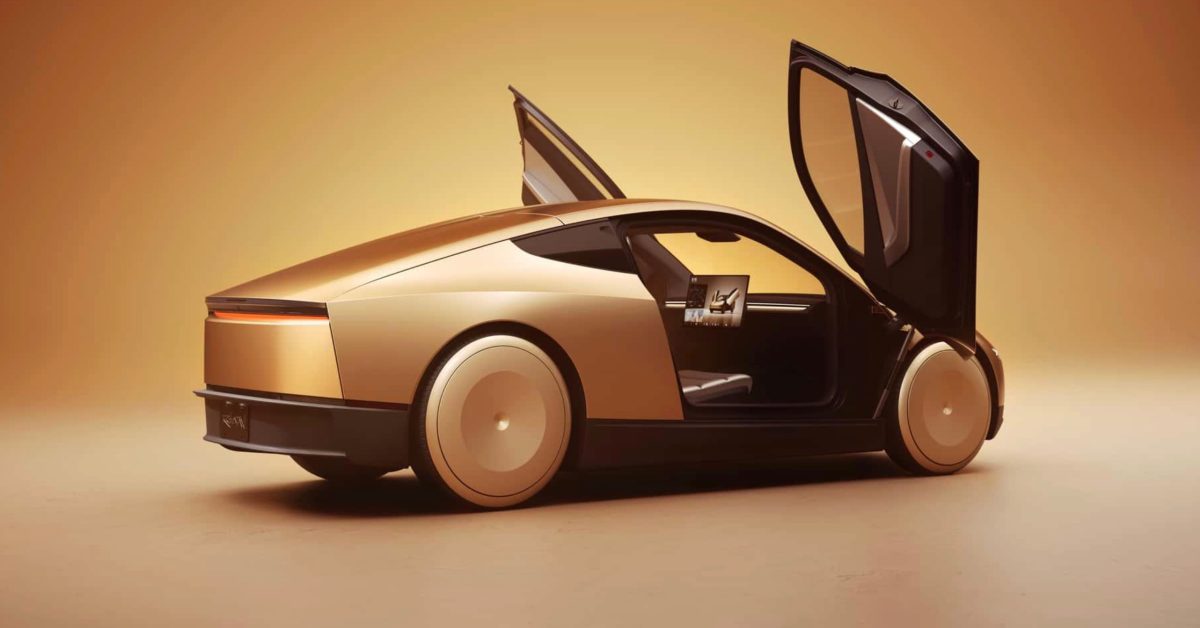
Tesla has told employees it is preparing a public launch of the Cybercab in Austin as soon as this month, according to a report from The Information. It would be the first Tesla vehicle ever built without a steering wheel or pedals — and the least exciting vehicle the company has ever made, because it is virtually worthless without an autonomous driving system Tesla still hasn’t delivered at scale. What Tesla is actually launching Tesla plans to start by offering Cybercab rides to its own employees on public roads, then fold the vehicles into its “Robotaxi” service in Austin a few days later, people with knowledge of the plans told The Information’s Grace Kay. The company completed emergency training with Austin first responders last week, teaching them how to move the vehicles out of the way, a spokesperson for the city confirmed. Tesla has also been running test drives and giving employees rides on private roads around its Austin campus since July. The end of August is the internal target, though the timeline could slip. Tesla’s Robotaxi account is already promoting a “Cybercab launch event,” running a promotion through August 23 that enters riders into a draw to attend it: “More rides = better odds.” Tesla did not respond to The Information’s request for comment. The problem is the software, not the car The Cybercab is a two-seat vehicle with no steering wheel and no brake pedal, which means there is no version of it that works without a self-driving system good enough to operate with no human able to intervene. Tesla says remote operators monitor the vehicles and can take over in an emergency. That’s the entire product thesis, and Tesla hasn’t validated it. Tesla reported 380,000 cumulative driverless miles across its Robotaxi hubs as of its July earnings report. Waymo, which has operated a commercial driverless service since 2020, says it has surpassed 220 million rider-only driverless miles. That’s a ~580x gap. The fleet numbers are worse. Tesla currently has 186 Model Y vehicles registered for its Austin Robotaxi service according to a Texas DMV dashboard, but the portion actually running without a safety monitor has been shrinking, not growing. As we reported in July, Tesla’s unsupervised Austin fleet stalled at roughly 17 vehicles — down from about 25 in the spring. Cybercab is using similar hardware and software for its autonomous driving system as Tesla already operates with Model Ys in Texas and Florida. The new vehicle doesn’t change Tesla’s autonomous driving capabilities, which are currently limited due to safety and realiability concerns as evidenced by the lack of scaling. No, you can’t buy one Musk originally unveiled the Cybercab in October 2024 as a sub-$30,000 vehicle, and Tesla fans have spent two years talking about buying one. That was never realistic, and it is even less realistic now. A vehicle with no steering wheel and no pedals is only useful inside the geofenced areas where Tesla’s software has been validated — currently small zones in Austin, Dallas, Houston, Miami, and now Tampa and Orlando. Outside of them, it’s a paperweight. Tesla has been building Cybercabs at Gigafactory Texas since February, with over 100 units spotted in factory lots by July, and we’ve been pointing out for months that it is mass-producing a vehicle it can neither sell nor drive itself. The most recent addition to the vehicle was a Starlink antenna on a car that doesn’t need an internet connection to drive. Electrek’s Take Every previous Tesla vehicle was exciting on its own merits. The Model S redefined the electric car. The Model 3 made it affordable. Even the Cybertruck, a commercial flop by any sales measure, was at least a strange, interesting object you could get in and drive anywhere. The Cybercab has none of that. It’s a small two-seater with a small battery, no significant cargo space, no steering wheel, and no ability to go anywhere you tell it. Its entire value proposition is autonomy, and Tesla has not solved autonomy at any meaningful scale. 380,000 driverless miles a year into Robotaxi versus Waymo’s 220 million is not a rounding error, it’s a different sport. Strip away the self-driving promise, and you’re left with a superefficient EV with butterfly doors and no way to drive it. And nobody with a brain is going to buy one privately. Even if Tesla eventually sells them, what you’d own is a vehicle that only functions inside whatever polygon Tesla’s software has been validated for. But it’s Tesla in 2026. Within the next few weeks, the company could launch a “flying car” that doesn’t actually fly — it hovers on cold gas thrusters, remotely operated, with nobody inside — and an autonomous vehicle that can’t reliably drive itself. Two products defined entirely by capabilities they don’t have. If you’re driving an EV, the cheapest miles you’ll ever get are the ones you charge at home off your own roof. With electricity rates up almost 10% last year and expected to keep climbing, going solar is one of the best ways to protect yourself against rising costs. And with lease and PPA options, you can do it with zero upfront cost and start saving immediately. If you want to find the best deal, check out EnergySage. It’s a free service with hundreds of pre-vetted installers competing for your business, so you save 20 to 30% compared to going it alone. No sales calls until you pick an installer. Get your free quotes here. FTC: We use income earning auto affiliate links. More.
Tesla’s Cybercab is about to launch — and we don’t get it
Full Article
Original Source
Read the full article at Electrek →KhanList aggregates and links to publicly available news content. We do not host full articles from third-party sources. Always verify important information with original sources.