
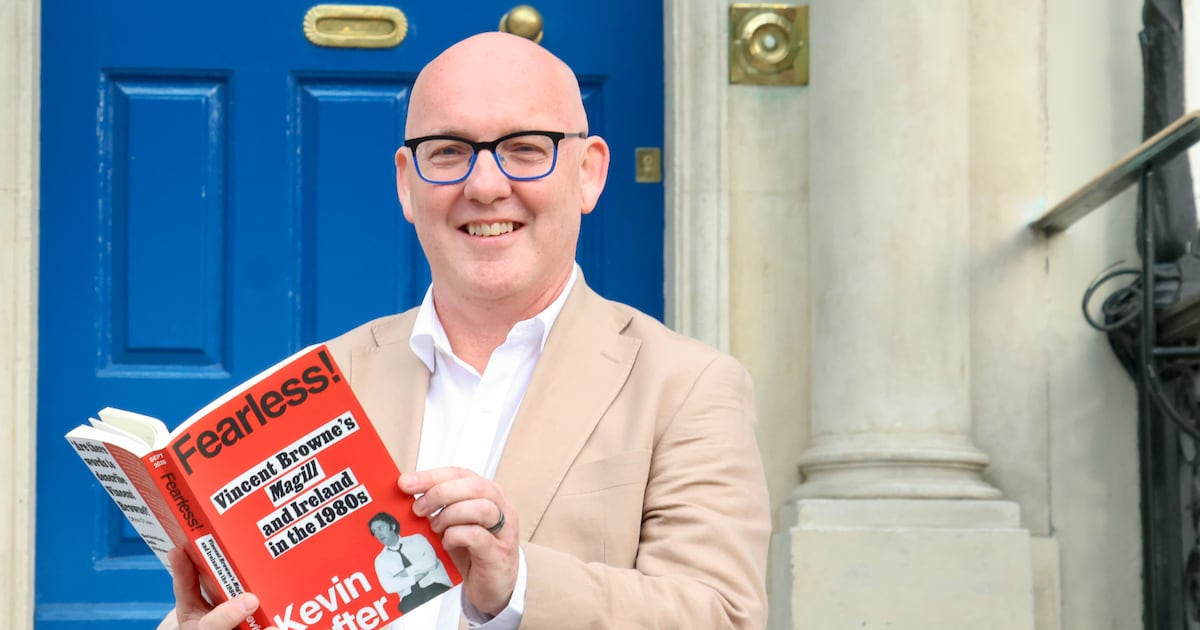
Next year will mark 50 years since the foundation of Magill magazine by the journalist Vincent Browne. Its offices were next door to O’Donoghue’s pub in Dublin, above a fried chicken outlet. It was six months before the magazine had a telephone line: such was the Ireland of the 1970s. From unpromising beginnings, the magazine flourished in the 1970s and 1980s, breaking big stories about the Arms Trial, planning corruption and the Kerry Babies case. It also gave a break to journalists and authors who would become significant figures in Irish media afterwards – among them Fintan O’Toole, Gene Kerrigan and novelist Colm Tóibín. Despite the magazine’s commercial and critical success in holding the powers-that-be to account, it was perennially short of money and closed in August 1990 before being revived between 1997 and 2003 and between 2004 and 2009. Browne bought the title in 2017, but it has not been republished since. READ MOREThe tempestuous story of Magill magazine has now been turned into a book by the journalist-turned-academic Kevin Rafter, who is head of communications at Dublin City University (DCU)Entitled Vincent Browne’s Magill and Ireland in the 1980s, it features a picture of the founder on the cover, but the man himself was conspicuous by his absence at the launch in the Mansion House. Browne will be launching his own book, entitled Charles Haughey, Glory, Greed and Guns, next month, a book with one of the longest gestation periods in Irish publishing history. The Magill book was launched by broadcaster Pat Kenny, who described Browne as a “national treasure” and noted that many journalists were proud to have been mentored by him. He used other words to describe Vincent Browne – not all of them his own. The most apt word, Kenny suggested, was “fearless”, which Rafter had chosen for the title of his book, but others might describe Browne as “driven, mercurial, capricious, amusing, curious, intelligent and undoubtedly talented”. Browne told the author that writing a book about Magill magazine wasn’t worth Rafter’s time. “I may have proven him wrong,” said Rafter. “Too often journalism is a footnote in history written by the political scientist and historians, but journalism is a worthy source in itself,” he said. “And for me, Magill was a useful prism to examine Irish society in the bewildering decade that was the 1980s. And the journalism ... is only one part of the story of that decade. And Ireland is certainly the better for those journalists and their work.”
Tempestuous tale of Magill magazine and Ireland’s bewildering 1980s told in new book
Full Article
Original Source
Read the full article at Irishtimes →KhanList aggregates and links to publicly available news content. We do not host full articles from third-party sources. Always verify important information with original sources.